Bouncing ball science experiment
If you’re looking for bouncing ball science experiment pictures information connected with to the bouncing ball science experiment keyword, you have pay a visit to the right site. Our site frequently provides you with suggestions for seeing the highest quality video and picture content, please kindly search and find more informative video articles and graphics that fit your interests.
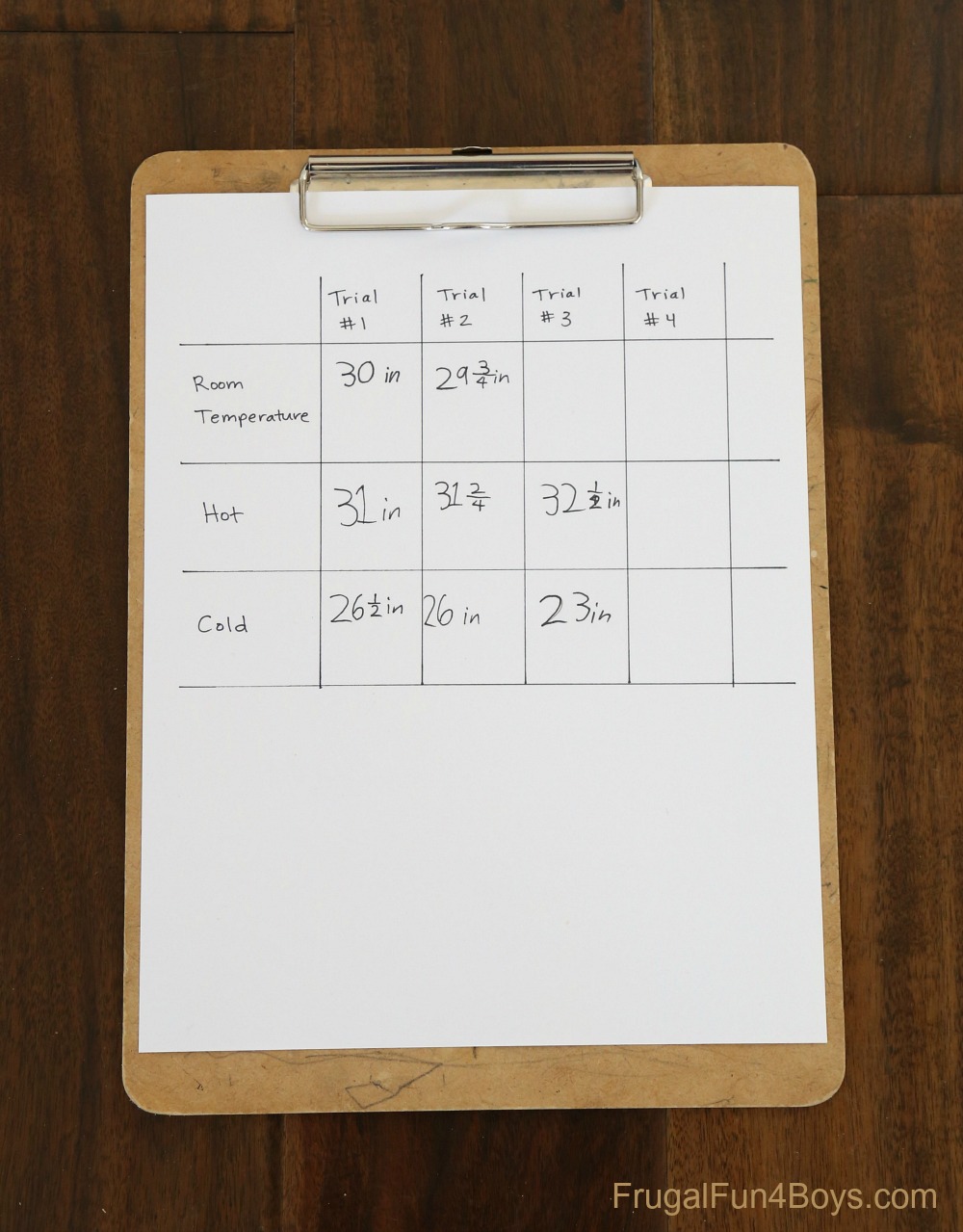
Bouncing Ball Science Experiment. What you need for bouncy ball science experiment ingredients. The results should be taken after each bounce. Drop a ball from 1 foot off of the floor slightly in front of a yardstick. The chemistry behind this fun science experiment has to do with polymers a type of macromolecule composed of smaller repeating subunits known as monomers.
 Bouncy Balls Science Fair From sites.google.com
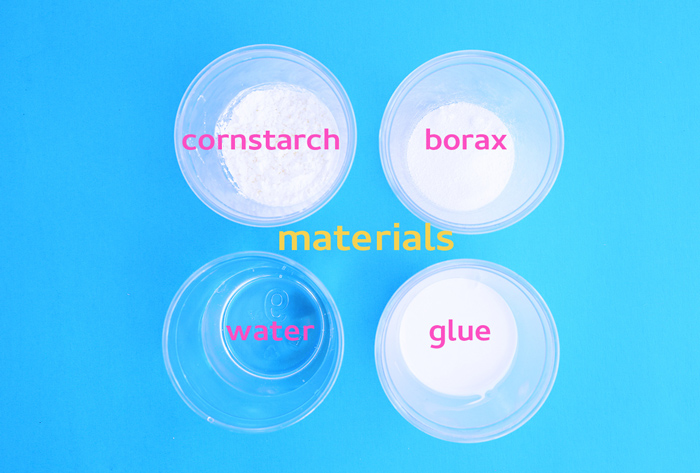
A measuring cup or mug for heating water in the microwave. The reason balls bounce is quite advanced science. Stir to completely dissolve the borax. Here s what you need to do this experiment. I will keep everything else the same to ensure as accurate results as possible. Step three add 1 teaspoon of the dissolved borax mixture to your glue cornstarch mixture and stir.
We found this bag of 12 bouncy balls in the target party aisle.
Glue you can use clear glue for a transparent ball or white glue to make an opaque ball small cups or bowls for mixing. Stir to completely dissolve the borax. I will keep everything else the same to ensure as accurate results as possible. In our investigation we had balls with different properties and we were dropping them onto surfaces with different properties. Bouncy balls a least 6 identical balls. Drop a ball from 1 foot off of the floor slightly in front of a yardstick.
 Source: frugalfun4boys.com
The only dependent variable in this experiment is the height that the ball bounces as this is not known or controlled prior to the experiment. Access to a freezer. The chemistry behind this fun science experiment has to do with polymers a type of macromolecule composed of smaller repeating subunits known as monomers. Bouncy balls a least 6 identical balls. Food colouring optional glitter optional.
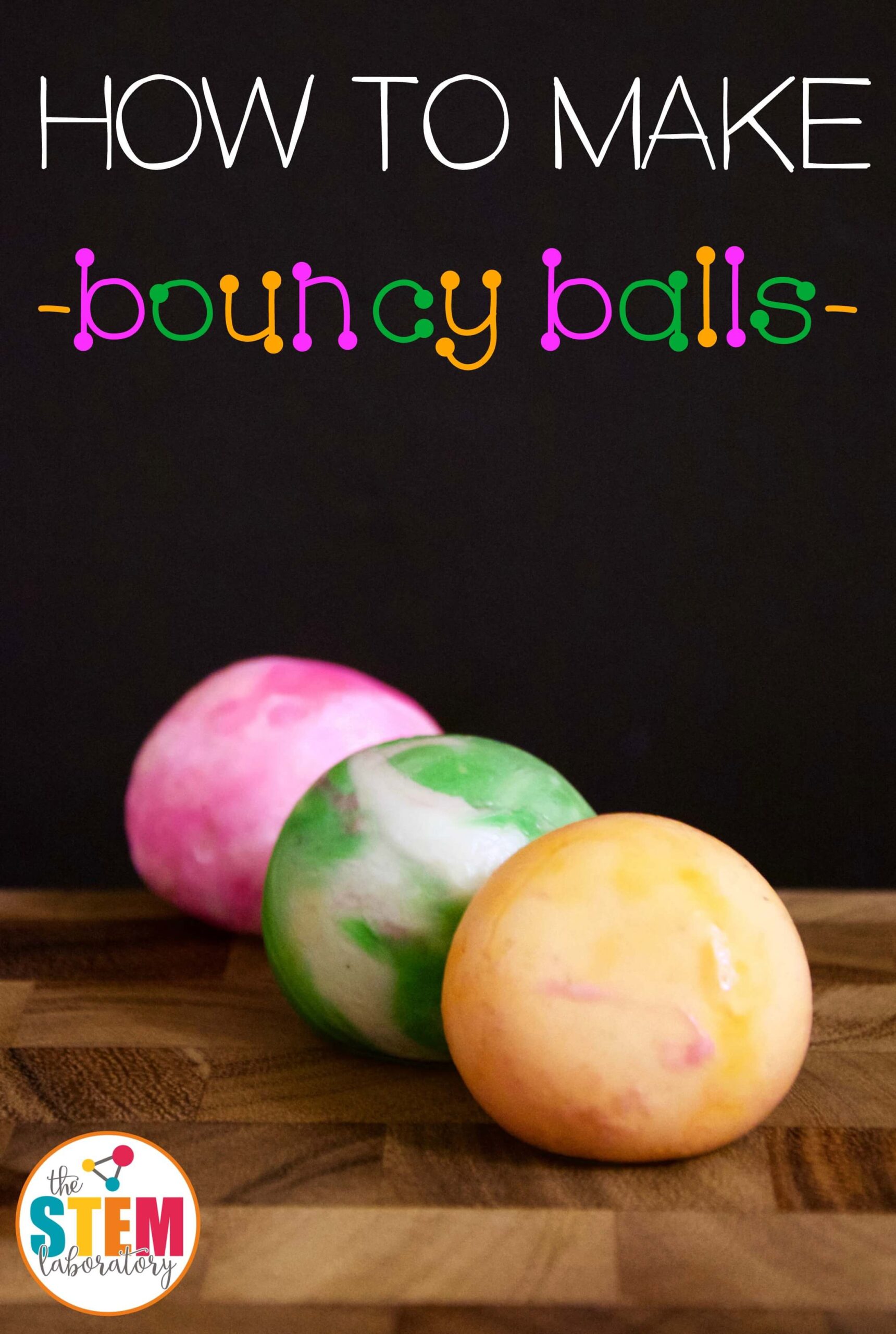 Source: thestemlaboratory.com
A tape measure or ruler. Bouncy ball experiment the science behind this chemistry experiment. Stirring stick lolly stick or plastic spoon. A measuring cup or mug for heating water in the microwave. Access to a freezer.
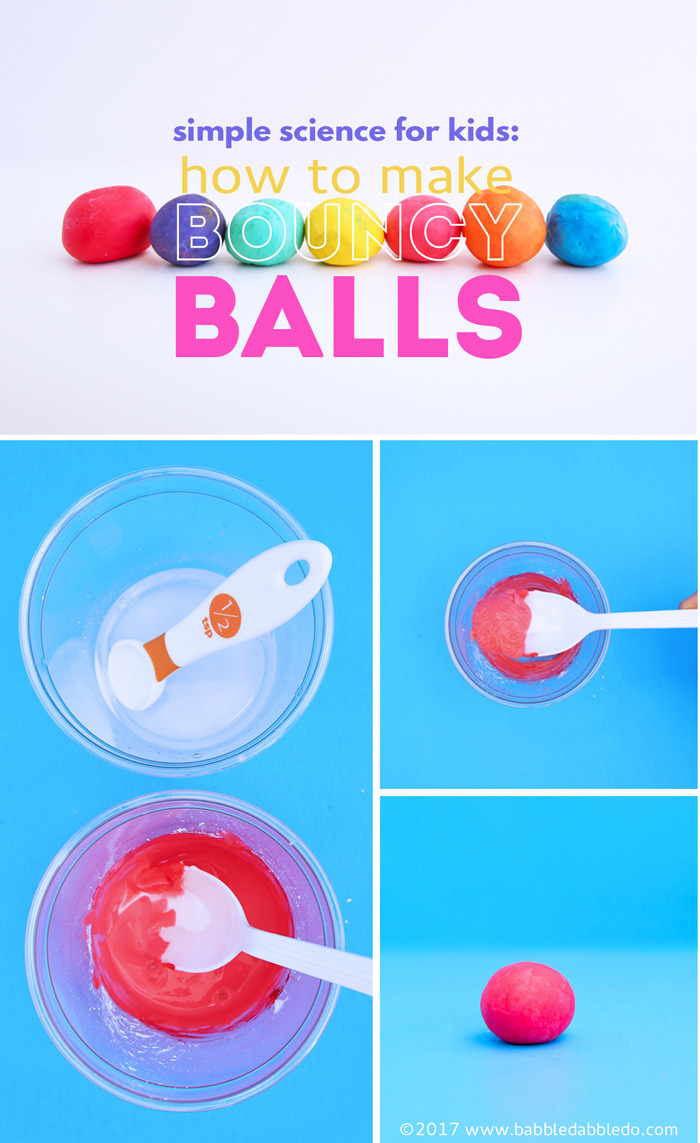 Source: babbledabbledo.com
The first time you drop the ball do not take a measurement just watch where the ball goes so the next time the observer knows where to look. The reason balls bounce is quite advanced science. A tape measure or ruler. Step three add 1 teaspoon of the dissolved borax mixture to your glue cornstarch mixture and stir. Access to a freezer.
 Source: iclicknprint.com
Add in a few drops of food coloring and stir to combine. Bouncy balls a least 6 identical balls. Great way to get several that are exactly the same. Drop a ball from 1 foot off of the floor slightly in front of a yardstick. Ball bounce height comparison.
Source: sites.google.com
The only dependent variable in this experiment is the height that the ball bounces as this is not known or controlled prior to the experiment. We found this bag of 12 bouncy balls in the target party aisle. Add in a few drops of food coloring and stir to combine. The only dependent variable in this experiment is the height that the ball bounces as this is not known or controlled prior to the experiment. The results should be taken after each bounce.
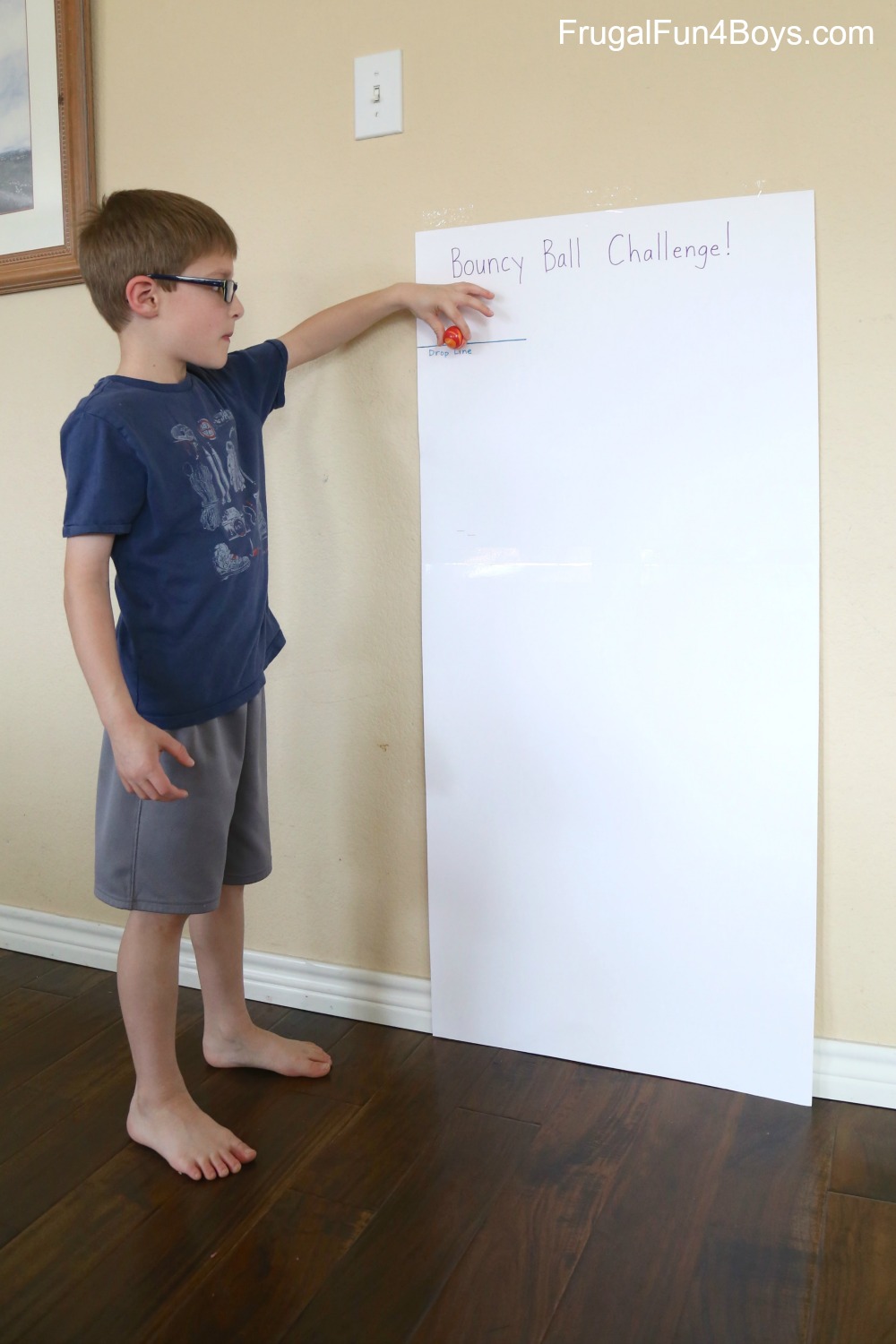 Source: frugalfun4boys.com
Food colouring optional glitter optional. Bouncy balls a least 6 identical balls. Cornflour corn starch. It relates to how much energy balls have what they are made of how they change shape and where the energy they have goes. Stirring stick lolly stick or plastic spoon.
 Source: twinkl.co.uk
It relates to how much energy balls have what they are made of how they change shape and where the energy they have goes. I will keep everything else the same to ensure as accurate results as possible. It relates to how much energy balls have what they are made of how they change shape and where the energy they have goes. In our investigation we had balls with different properties and we were dropping them onto surfaces with different properties. The independent variables in the experiment are the heights that the balls are dropped from the surface that the ball bounces on the type of ball used ball is dropped vertically and that when.
 Source: pinterest.com
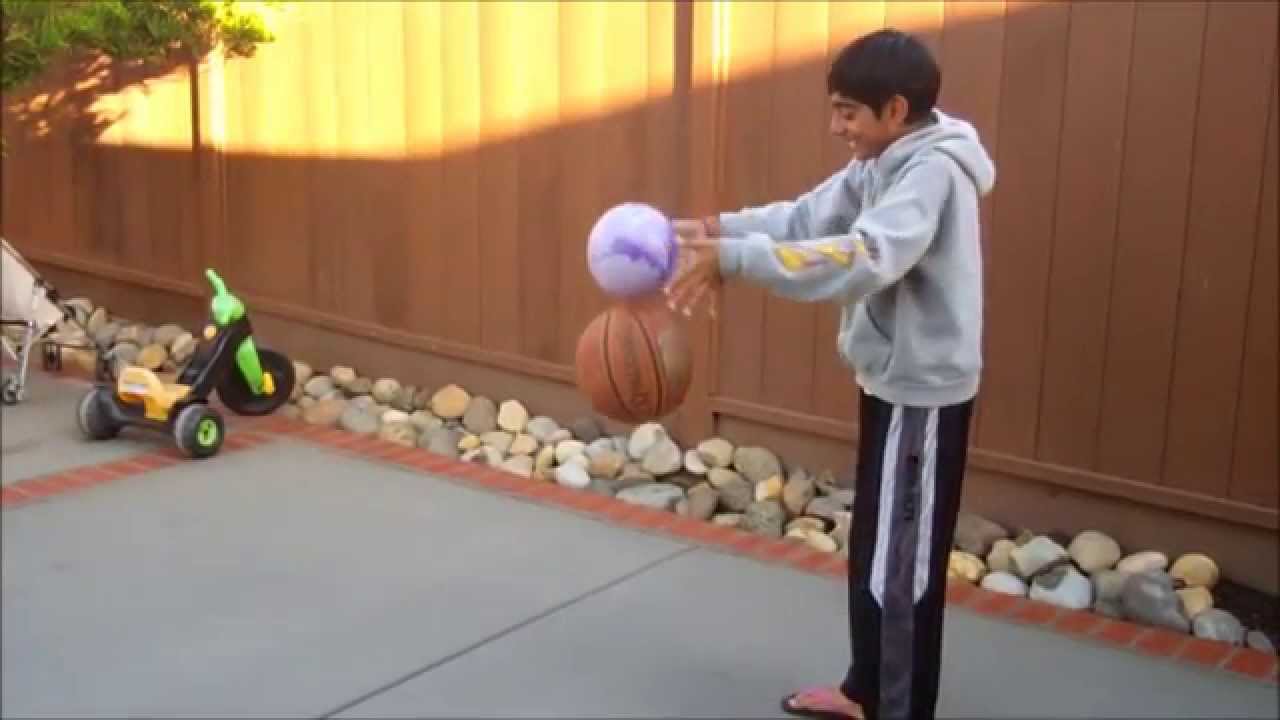
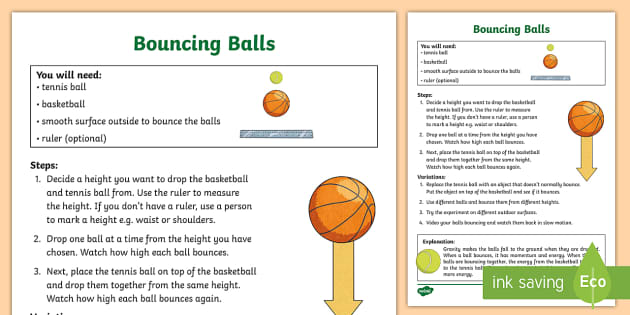
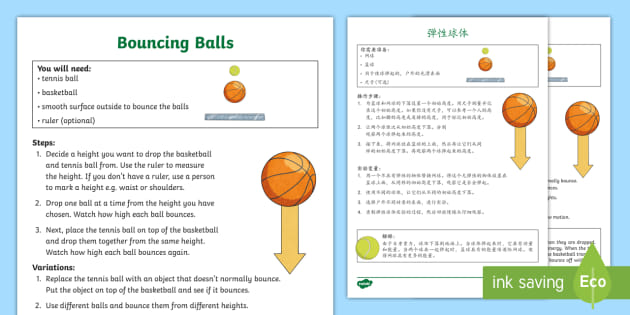
I will keep everything else the same to ensure as accurate results as possible. Ball bounce height comparison. The first time you drop the ball do not take a measurement just watch where the ball goes so the next time the observer knows where to look. Great way to get several that are exactly the same. To ensure a fair test the only thing that will be change during the experiment will be the height that a ball is dropped.
 Source: youtube.com
Bouncy ball experiment the science behind this chemistry experiment. White glue is composed of the polymer polyvinyl acetate suspended in water. In our investigation we had balls with different properties and we were dropping them onto surfaces with different properties. Bouncy balls a least 6 identical balls. This help to greatly increase the accuracy of the experiment.
 Source: aidanw3.wordpress.com
Here s what you need to do this experiment. Great way to get several that are exactly the same. To ensure a fair test the only thing that will be change during the experiment will be the height that a ball is dropped. A measuring cup or mug for heating water in the microwave. We found this bag of 12 bouncy balls in the target party aisle.
 Source: pinterest.com
A tape measure or ruler. A tape measure or ruler. Stirring stick lolly stick or plastic spoon. Drop a ball from 1 foot off of the floor slightly in front of a yardstick. Step two in a separate cup mix 2 tablespoons of white glue with 2 teaspoons of cornstarch.
 Source: babbledabbledo.com
The only dependent variable in this experiment is the height that the ball bounces as this is not known or controlled prior to the experiment. Bouncy ball experiment the science behind this chemistry experiment. Ball bounce height comparison. Bouncy balls a least 6 identical balls. The only dependent variable in this experiment is the height that the ball bounces as this is not known or controlled prior to the experiment.
 Source: twinkl.com
Glue you can use clear glue for a transparent ball or white glue to make an opaque ball small cups or bowls for mixing. It relates to how much energy balls have what they are made of how they change shape and where the energy they have goes. The independent variables in the experiment are the heights that the balls are dropped from the surface that the ball bounces on the type of ball used ball is dropped vertically and that when. Bouncy balls a least 6 identical balls. Food colouring optional glitter optional.
 Source: exploratorium.edu
The chemistry behind this fun science experiment has to do with polymers a type of macromolecule composed of smaller repeating subunits known as monomers. Glue you can use clear glue for a transparent ball or white glue to make an opaque ball small cups or bowls for mixing. The only dependent variable in this experiment is the height that the ball bounces as this is not known or controlled prior to the experiment. It relates to how much energy balls have what they are made of how they change shape and where the energy they have goes. The reason balls bounce is quite advanced science.
 Source: twinkl.fr
We found this bag of 12 bouncy balls in the target party aisle. White glue is composed of the polymer polyvinyl acetate suspended in water. Great way to get several that are exactly the same. Glue you can use clear glue for a transparent ball or white glue to make an opaque ball small cups or bowls for mixing. The reason balls bounce is quite advanced science.
If you find this site convienient, please support us by sharing this posts to your preference social media accounts like Facebook, Instagram and so on or you can also bookmark this blog page with the title bouncing ball science experiment by using Ctrl + D for devices a laptop with a Windows operating system or Command + D for laptops with an Apple operating system. If you use a smartphone, you can also use the drawer menu of the browser you are using. Whether it’s a Windows, Mac, iOS or Android operating system, you will still be able to bookmark this website.