Brine shrimp experiments
If you’re searching for brine shrimp experiments images information linked to the brine shrimp experiments keyword, you have come to the ideal blog. Our website frequently provides you with suggestions for refferencing the highest quality video and image content, please kindly hunt and locate more informative video content and images that match your interests.
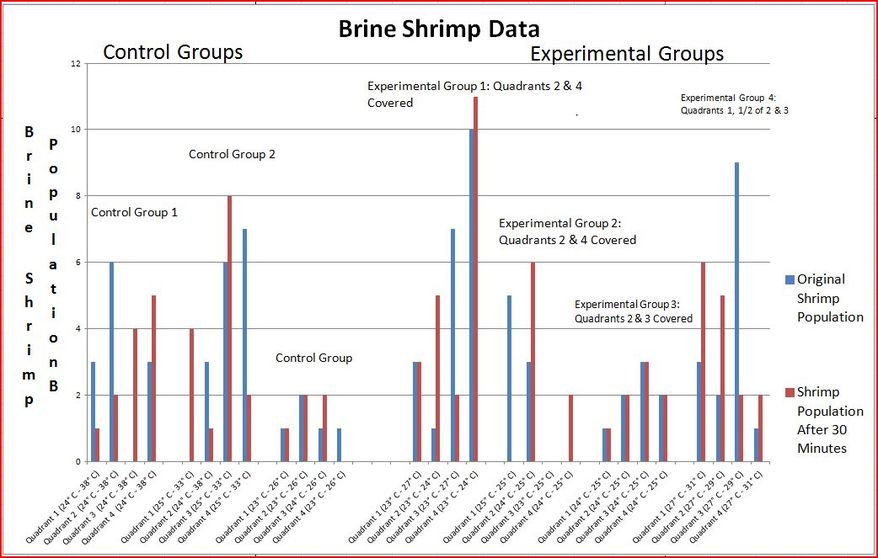
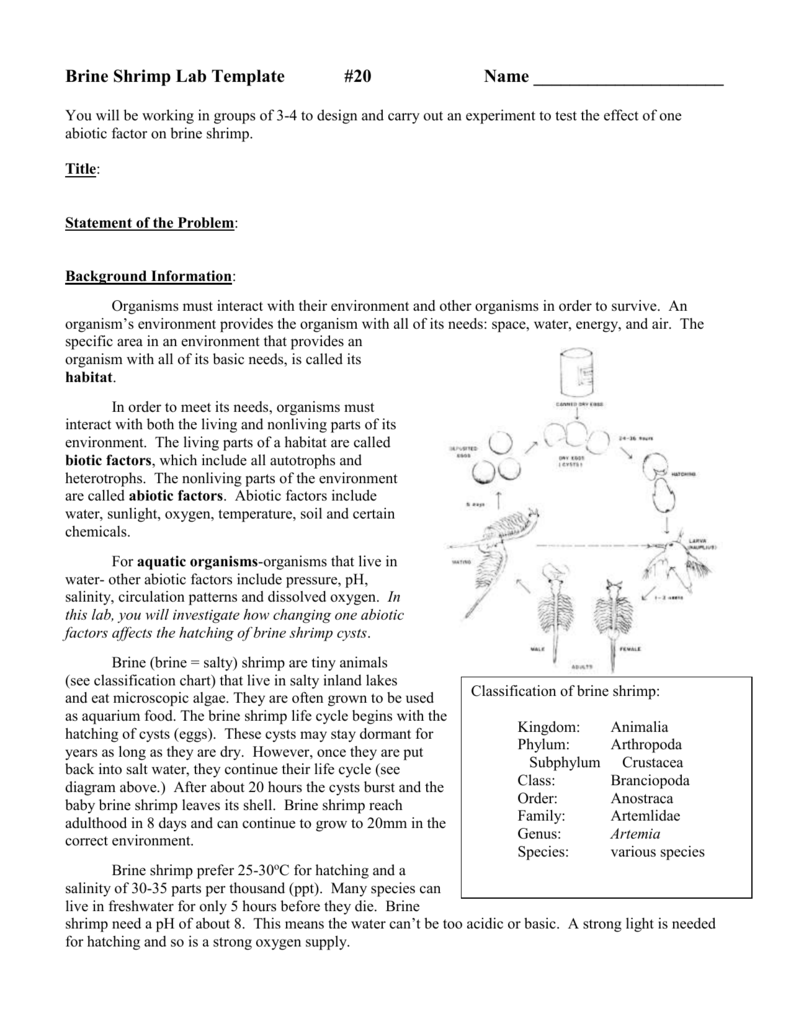
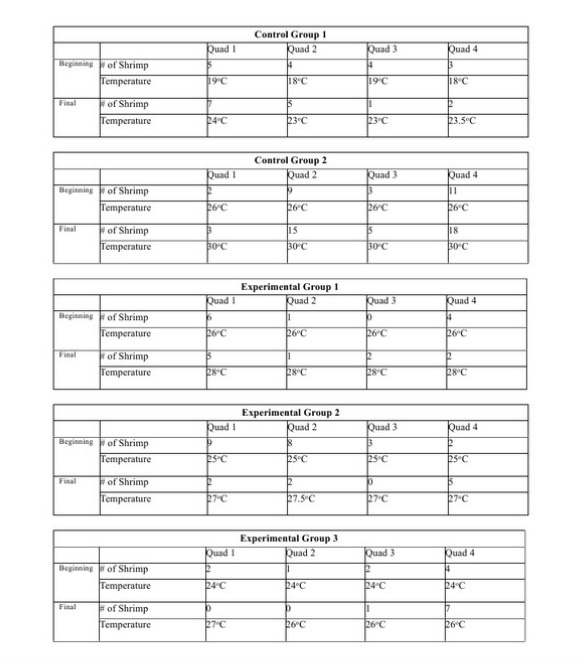
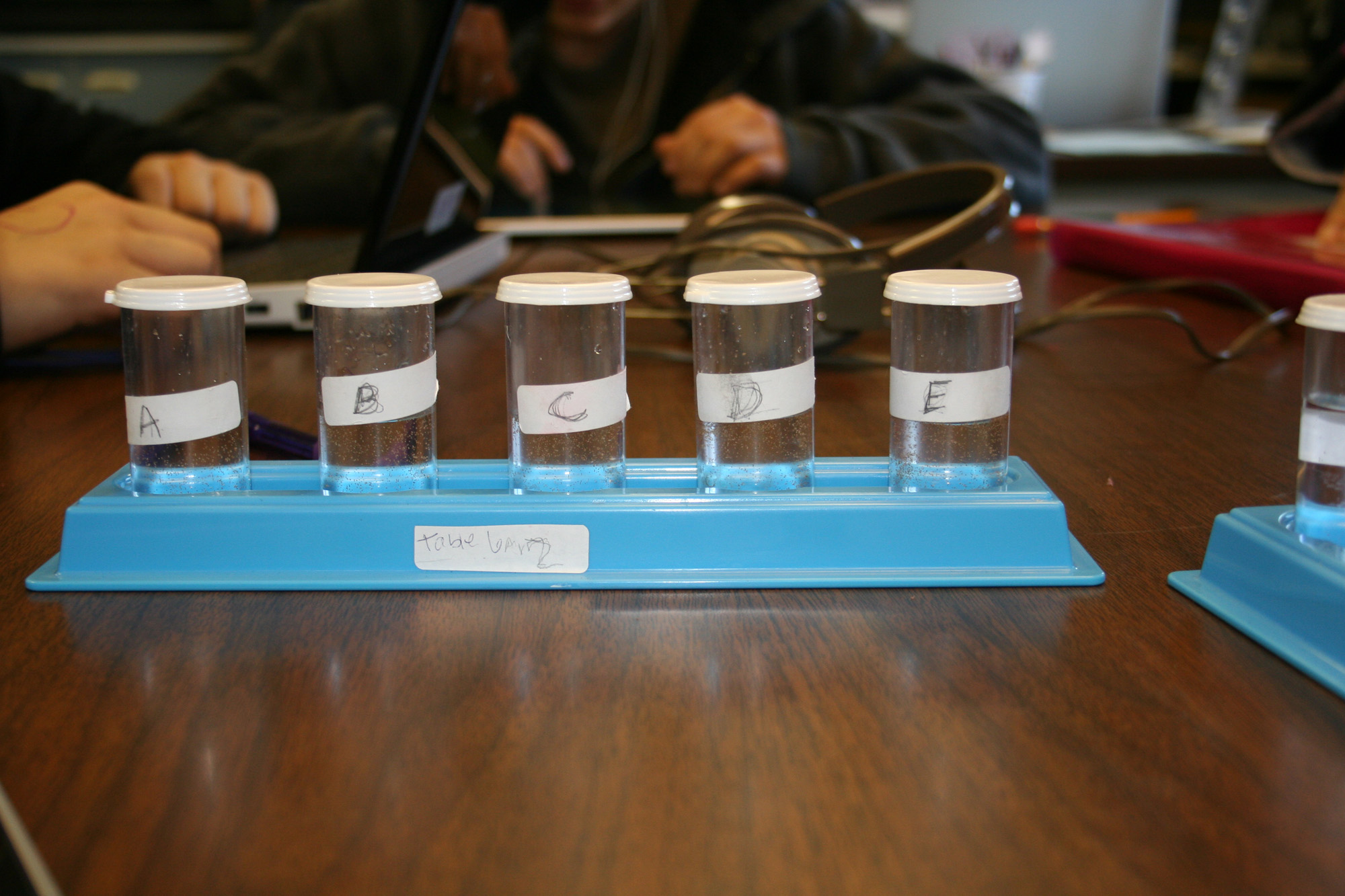
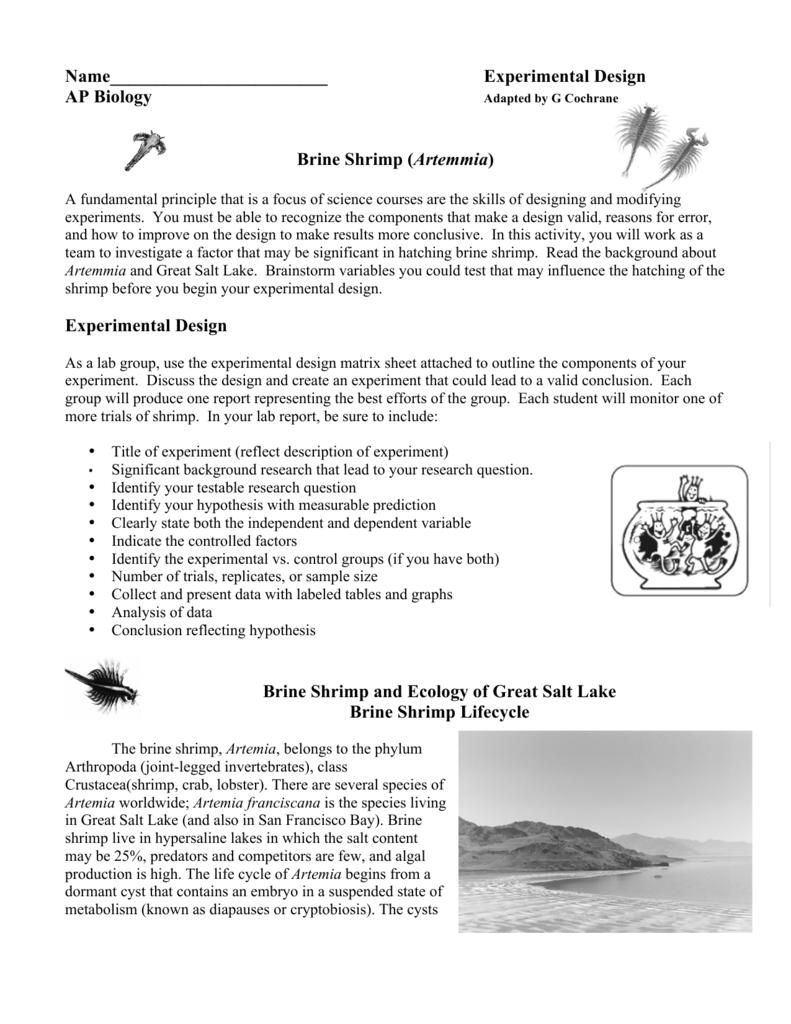
Brine Shrimp Experiments. The evidence proves that our hypothesis was correct. With your group design and conduct experiments using brine shrimp to test how changes to physical environmental conditions affects their growth and survival. Brine shrimp have a short life span and alongside other characteristics such as their ability to remain dormant for long periods means they are invaluable to scientific research. Then the variation in the brine shrimp s salt tolerance will be related to the concept of natural selection.
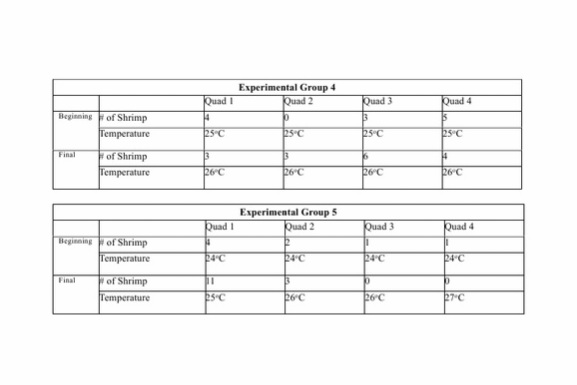 Brine Shrimp Lab Ap Environmental Science Lab Reports From apenvironmentalsciencelabreports.weebly.com
To start test the ph level in the brine shrimp s tank water. Brine shrimp hatching experiment 6 the normal conditions for brine shrimp are warm water high salinity light and oxygenated water. Brine shrimp have a short life span and alongside other characteristics such as their ability to remain dormant for long periods means they are invaluable to scientific research. Then the variation in the brine shrimp s salt tolerance will be related to the concept of natural selection. Start growing the shrimp two or three days before the lesson. In this experiment you ll see how different amounts of salt change the hatching rates of brine shrimp.
Then the variation in the brine shrimp s salt tolerance will be related to the concept of natural selection.
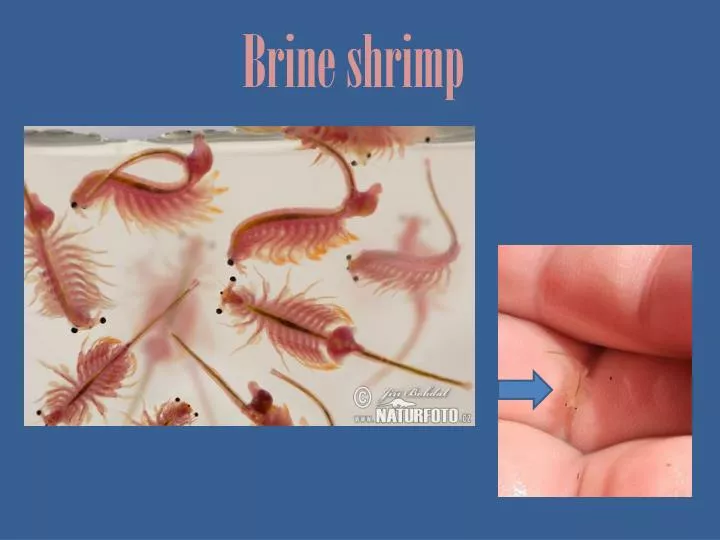
Salina as a filter feeder. Brine shrimp are tiny crustaceans that live in salt water. In part 1 the effects of salinity on the hatching viability of artemia brine shrimp will be tested. Salina as a filter feeder. With your group design and conduct experiments using brine shrimp to test how changes to physical environmental conditions affects their growth and survival. Prepare 2 sea salt in dechlorinated tap water i e.
 Source: sites.google.com
Here is an excellent experiment for a high school biology class demonstrating phototaxis light attraction and geotaxis movement using earth s gravity for orientation in brine shrimp nauplii. However brine shrimp are much smaller than other shrimp and they make intriguing pets. Beaker temperature salinity light oxygenated 1 warm high light yes 2 cold high light yes 3 warm low light yes 4 warm high dark yes. Siphon only the orange. Salina as a filter feeder.
 Source: gabesapeslabs.weebly.com
Brine shrimp have a short life span and alongside other characteristics such as their ability to remain dormant for long periods means they are invaluable to scientific research. Although this presentation was designed for high school students it can be modified for use in middle school. 2g salt in 100ml water or equivalent i use 20g in a litre of aged tap water enough to fill the plastic box to a depth of 3 5cm. This means that they re related to crabs lobsters and other shrimp. The nauplii baby brine shrimp will gather at the bottom of the hatch container this behavior is called a positive geotaxis transferring them to a petri dish using a pipette or turkey baster to remove some water and brine shrimp.
 Source: sciencenetlinks.com
Brine shrimp have a short life span and alongside other characteristics such as their ability to remain dormant for long periods means they are invaluable to scientific research. Salina as a filter feeder. Ideal conditions are a ph of around 8 but no lower than 5 and no higher than 10. Here is an excellent experiment for a high school biology class demonstrating phototaxis light attraction and geotaxis movement using earth s gravity for orientation in brine shrimp nauplii. Beaker temperature salinity light oxygenated 1 warm high light yes 2 cold high light yes 3 warm low light yes 4 warm high dark yes.
 Source: youtube.com
The evidence proves that our hypothesis was correct. Prepare 2 sea salt in dechlorinated tap water i e. This means that they re related to crabs lobsters and other shrimp. 2g salt in 100ml water or equivalent i use 20g in a litre of aged tap water enough to fill the plastic box to a depth of 3 5cm. The control salinity was 35 ppt and resulted in 80 of the total shrimp hatching while our 60 ppt water resulted in only 35 of the total shrimp hatching.
 Source: slideserve.com
In part 2 of the investigation an experimental plan will be. Start growing the shrimp two or three days before the lesson. The evidence proves that our hypothesis was correct. Effect of ph and environmental changes learn about the effects of the surrounding conditions on brine shrimp. Brine shrimp hatching experiment 6 the normal conditions for brine shrimp are warm water high salinity light and oxygenated water.
 Source: researchgate.net
2g salt in 100ml water or equivalent i use 20g in a litre of aged tap water enough to fill the plastic box to a depth of 3 5cm. We hypothesized that the higher salinity would slow down the hatching rate of the brine shrimp. Prepare 2 sea salt in dechlorinated tap water i e. Salina as a filter feeder. In spite of wide use of the brine shrimp artemia salina linnaeus 1758 as feed and model organism in evolutionary ecological physiological and ecotoxicological investigations only a few studies have attempted to quantify filtration and respiration rates in order to characterize a.
 Source: studylib.net
However brine shrimp are much smaller than other shrimp and they make intriguing pets. The nauplii baby brine shrimp will gather at the bottom of the hatch container this behavior is called a positive geotaxis transferring them to a petri dish using a pipette or turkey baster to remove some water and brine shrimp. Beaker temperature salinity light oxygenated 1 warm high light yes 2 cold high light yes 3 warm low light yes 4 warm high dark yes. Ideal conditions are a ph of around 8 but no lower than 5 and no higher than 10. However brine shrimp are much smaller than other shrimp and they make intriguing pets.
 Source: pubs.niaaa.nih.gov
Beaker temperature salinity light oxygenated 1 warm high light yes 2 cold high light yes 3 warm low light yes 4 warm high dark yes. 2 brine shrimp experiments san francisco bay brand inc. Salina as a filter feeder. The evidence proves that our hypothesis was correct. We hypothesized that the higher salinity would slow down the hatching rate of the brine shrimp.
 Source: apenvironmentalsciencelabreports.weebly.com
We hypothesized that the higher salinity would slow down the hatching rate of the brine shrimp. Beaker temperature salinity light oxygenated 1 warm high light yes 2 cold high light yes 3 warm low light yes 4 warm high dark yes. 2 brine shrimp experiments san francisco bay brand inc. The control salinity was 35 ppt and resulted in 80 of the total shrimp hatching while our 60 ppt water resulted in only 35 of the total shrimp hatching. Grow the brine shrimp for the lesson.
 Source: inquiryblog.wordpress.com
Brine shrimp are tiny crustaceans that live in salt water. Brine shrimp are tiny crustaceans that live in salt water. Effect of ph and environmental changes learn about the effects of the surrounding conditions on brine shrimp. The evidence proves that our hypothesis was correct. Start growing the shrimp two or three days before the lesson.
 Source: studylib.net
The nauplii baby brine shrimp will gather at the bottom of the hatch container this behavior is called a positive geotaxis transferring them to a petri dish using a pipette or turkey baster to remove some water and brine shrimp. 2g salt in 100ml water or equivalent i use 20g in a litre of aged tap water enough to fill the plastic box to a depth of 3 5cm. Beaker temperature salinity light oxygenated 1 warm high light yes 2 cold high light yes 3 warm low light yes 4 warm high dark yes. To start test the ph level in the brine shrimp s tank water. 2 brine shrimp experiments san francisco bay brand inc.
 Source: sites.google.com
We hypothesized that the higher salinity would slow down the hatching rate of the brine shrimp. Beaker temperature salinity light oxygenated 1 warm high light yes 2 cold high light yes 3 warm low light yes 4 warm high dark yes. Intro unit lab investigation scientific inquiry in biology learning intentions this investigation consists of two parts. With your group design and conduct experiments using brine shrimp to test how changes to physical environmental conditions affects their growth and survival. Start growing the shrimp two or three days before the lesson.
 Source: brineshrimpdirect.com
Here is an excellent experiment for a high school biology class demonstrating phototaxis light attraction and geotaxis movement using earth s gravity for orientation in brine shrimp nauplii. Brine shrimp are tiny crustaceans that live in salt water. Then the variation in the brine shrimp s salt tolerance will be related to the concept of natural selection. The nauplii baby brine shrimp will gather at the bottom of the hatch container this behavior is called a positive geotaxis transferring them to a petri dish using a pipette or turkey baster to remove some water and brine shrimp. In part 2 of the investigation an experimental plan will be.
 Source: sciencenetlinks.com
The nauplii baby brine shrimp will gather at the bottom of the hatch container this behavior is called a positive geotaxis transferring them to a petri dish using a pipette or turkey baster to remove some water and brine shrimp. In part 2 of the investigation an experimental plan will be. To start test the ph level in the brine shrimp s tank water. Beaker temperature salinity light oxygenated 1 warm high light yes 2 cold high light yes 3 warm low light yes 4 warm high dark yes. Grow the brine shrimp for the lesson.
Source: apenvironmentalsciencelabreports.weebly.com
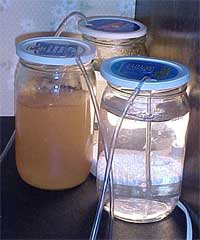
The nauplii baby brine shrimp will gather at the bottom of the hatch container this behavior is called a positive geotaxis transferring them to a petri dish using a pipette or turkey baster to remove some water and brine shrimp. Siphon only the orange. In part 2 of the investigation an experimental plan will be. Intro unit lab investigation scientific inquiry in biology learning intentions this investigation consists of two parts. Beaker temperature salinity light oxygenated 1 warm high light yes 2 cold high light yes 3 warm low light yes 4 warm high dark yes.
If you find this site helpful, please support us by sharing this posts to your preference social media accounts like Facebook, Instagram and so on or you can also bookmark this blog page with the title brine shrimp experiments by using Ctrl + D for devices a laptop with a Windows operating system or Command + D for laptops with an Apple operating system. If you use a smartphone, you can also use the drawer menu of the browser you are using. Whether it’s a Windows, Mac, iOS or Android operating system, you will still be able to bookmark this website.