Candy chromatography experiment
If you’re looking for candy chromatography experiment images information linked to the candy chromatography experiment topic, you have pay a visit to the ideal site. Our website frequently gives you suggestions for seeing the maximum quality video and image content, please kindly hunt and find more enlightening video articles and graphics that match your interests.
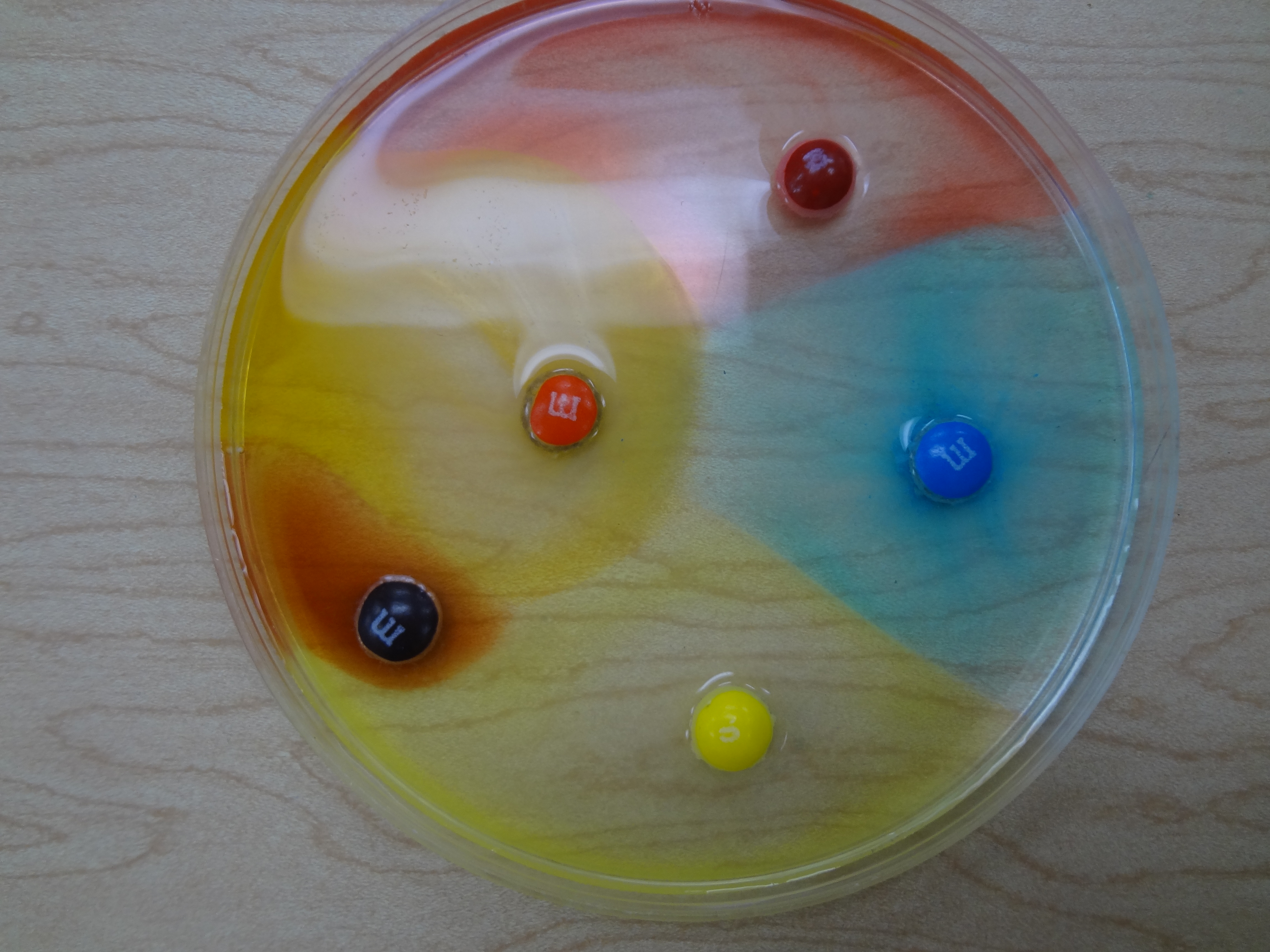
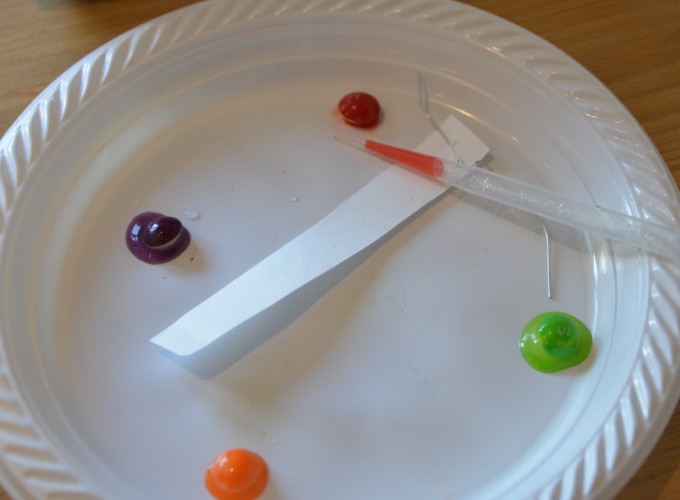
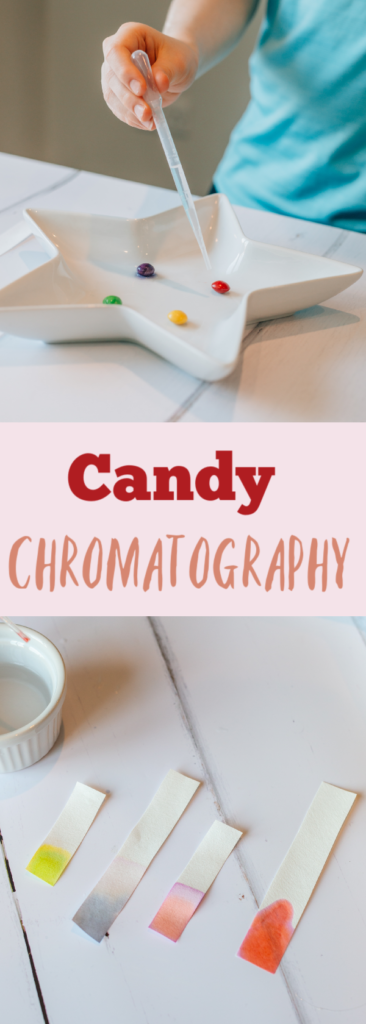
Candy Chromatography Experiment. Others are more attracted to the paper and move more slowly. The chromatography strips should be just touching the surface of the solvent. Carefully use a pipette to drop water onto the sweets and leave for a few minutes until colour from the sweets dissolves into the water. Set an m ms candy in the drop of water and leave it there for three minutes.
 Candy Chromatography 5 Steps With Pictures Instructables From instructables.com
This should only take a minute. You are a chromatographer by performing the candy chromatography experiment. Others are more attracted to the paper and move more slowly. Materials skittles coffee filter pencil aluminum foil salt water tooth picks clear glass cup. Let the tiny dots dry. Using the five repeated strips for each candy color or food coloring calculate the average r f for each dye component.
It s a good idea to use different colour sweets so you can easily compare the results.
The chromatography strips should be just touching the surface of the solvent. After three minutes flip the candy over so its other side is in the drop of water. Candy chromatography is a fun and easy project to learn more about the dyes used in the candy we love to eat. It s a good idea to use different colour sweets so you can easily compare the results. It is in this experiment we will find the fd and c dyes using paper chromatography. Set an m ms candy in the drop of water and leave it there for three minutes.
 Source: pinterest.com
Using a solid support like paper to separate different kinds of molecules is called chromatography. I used skittles but it is possible to use m ms or many other types of food spinach leaves work well too. Your chromatography results will be much better if you have thick tiny dots of each color. After three minutes flip the candy over so its other side is in the drop of water. Scientists use this method all the time in different experiments.
 Source: 8ehebetang.weebly.com
I used skittles but it is possible to use m ms or many other types of food spinach leaves work well too. Let the tiny dots dry. Each time you run the experiment make sure there is enough solvent in the beaker. It is in this experiment we will find the fd and c dyes using paper chromatography. Others are more attracted to the paper and move more slowly.
 Source: kiddiescience.org
The topic is chromatography and the problem is how to identify the colors used to mix in order to create the particular color associated with the candies. Statement of the problem 1. Each time you run the experiment make sure there is enough solvent in the beaker. I used skittles but it is possible to use m ms or many other types of food spinach leaves work well too. Repeat dabbing a dot at the same places with the same candy s dye on the filter paper and then letting it dry at least four times.
 Source: homesciencetools.com
This should only take a minute. Statement of the problem 1. Scientists use this method all the time in different experiments. Add more solvent salt solution as needed. Repeat dabbing a dot at the same places with the same candy s dye on the filter paper and then letting it dry at least four times.
 Source: scienceprojects.org
Others are more attracted to the paper and move more slowly. 1 candy chromatography works by the components in the dye stick to each other and other substances. Scientists use this method all the time in different experiments. The topic is chromatography and the problem is how to identify the colors used to mix in order to create the particular color associated with the candies. Place the candy onto a plate.
 Source: science-sparks.com
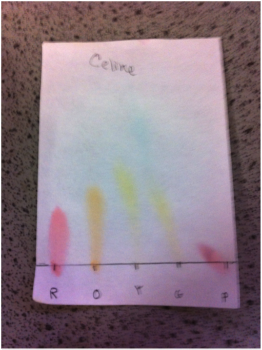
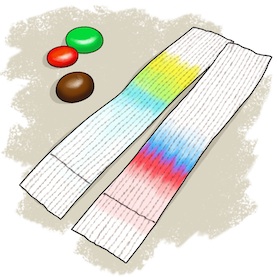
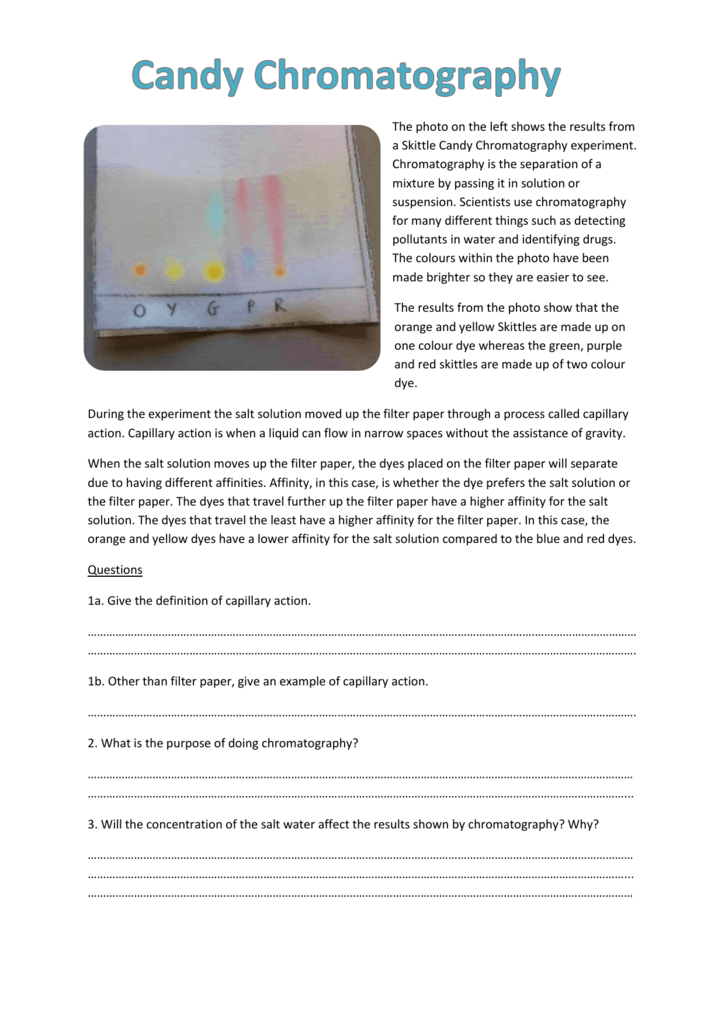
This should only take a minute. Certain pigments dissolve in water more easily and are pulled with the water farther up the paper. Each time you run the experiment make sure there is enough solvent in the beaker. With this candy chromatography science experiment you probably found that the candy coating is actually a mixture of several pigments. That is exactly the goal of the experiment to distinguish the particular mixture of dyes in the process of chromatography.
 Source: old.coolscience.org
With this candy chromatography science experiment you probably found that the candy coating is actually a mixture of several pigments. Using a solid support like paper to separate different kinds of molecules is called chromatography. This should only take a minute. Carefully use a pipette to drop water onto the sweets and leave for a few minutes until colour from the sweets dissolves into the water. Process for candy chromatography br 1 cut the filter paper into a 3 x 3 inch squares 2 take the pencil and draw a line inch from one edge of the paper 3 plot six dots equally spaced along the line.
Source: instructables.com
Certain pigments dissolve in water more easily and are pulled with the water farther up the paper. Each time you run the experiment make sure there is enough solvent in the beaker. Your chromatography results will be much better if you have thick tiny dots of each color. Materials skittles coffee filter pencil aluminum foil salt water tooth picks clear glass cup. 1 candy chromatography works by the components in the dye stick to each other and other substances.
 Source: kidsactivitiesblog.com
Leave it there for another three. I used skittles but it is possible to use m ms or many other types of food spinach leaves work well too. Chromatography is a technique used to separate the various components in a complex mixture solution. Materials skittles coffee filter pencil aluminum foil salt water tooth picks clear glass cup. That is exactly the goal of the experiment to distinguish the particular mixture of dyes in the process of chromatography.
 Source: science-sparks.com
Statement of the problem 1. After three minutes flip the candy over so its other side is in the drop of water. It s a good idea to use different colour sweets so you can easily compare the results. Process for candy chromatography br 1 cut the filter paper into a 3 x 3 inch squares 2 take the pencil and draw a line inch from one edge of the paper 3 plot six dots equally spaced along the line. Repeat dabbing a dot at the same places with the same candy s dye on the filter paper and then letting it dry at least four times.
 Source: discoveryexpresskids.com
After three minutes flip the candy over so its other side is in the drop of water. Chromatography is a technique used to separate the various components in a complex mixture solution. Materials skittles coffee filter pencil aluminum foil salt water tooth picks clear glass cup. It is in this experiment we will find the fd and c dyes using paper chromatography. It s a good idea to use different colour sweets so you can easily compare the results.
 Source: matrixeducationnordic.com
Carefully use a pipette to drop water onto the sweets and leave for a few minutes until colour from the sweets dissolves into the water. Statement of the problem 1. Chromatography is a technique used to separate the various components in a complex mixture solution. After three minutes flip the candy over so its other side is in the drop of water. That is exactly the goal of the experiment to distinguish the particular mixture of dyes in the process of chromatography.
 Source: m.youtube.com
Others are more attracted to the paper and move more slowly. Statement of the problem 1. Scientists use this method all the time in different experiments. Process for candy chromatography br 1 cut the filter paper into a 3 x 3 inch squares 2 take the pencil and draw a line inch from one edge of the paper 3 plot six dots equally spaced along the line. Place the candy onto a plate.
 Source: studylib.net
Your chromatography results will be much better if you have thick tiny dots of each color. Using a solid support like paper to separate different kinds of molecules is called chromatography. Candy chromatography is a fun and easy project to learn more about the dyes used in the candy we love to eat. Statement of the problem 1. Add more solvent salt solution as needed.
 Source: chemistry-blog.com
Your chromatography results will be much better if you have thick tiny dots of each color. Using a solid support like paper to separate different kinds of molecules is called chromatography. After three minutes flip the candy over so its other side is in the drop of water. It s a good idea to use different colour sweets so you can easily compare the results. Add more solvent salt solution as needed.
If you find this site value, please support us by sharing this posts to your favorite social media accounts like Facebook, Instagram and so on or you can also bookmark this blog page with the title candy chromatography experiment by using Ctrl + D for devices a laptop with a Windows operating system or Command + D for laptops with an Apple operating system. If you use a smartphone, you can also use the drawer menu of the browser you are using. Whether it’s a Windows, Mac, iOS or Android operating system, you will still be able to bookmark this website.