Gold penny experiment explanation
If you’re searching for gold penny experiment explanation images information connected with to the gold penny experiment explanation interest, you have pay a visit to the right site. Our website frequently provides you with suggestions for downloading the highest quality video and picture content, please kindly surf and locate more informative video content and images that fit your interests.
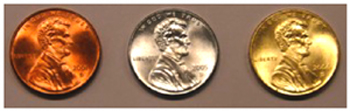
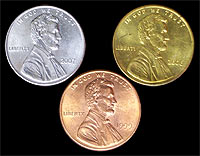
Gold Penny Experiment Explanation. In this experiment students observe a copper coin as it is dipped into a solution of sodium zincate in contact with zinc metal. Silver penny post. Zinc on the other hand would react with air and in a few days you d have a dull grey penny. The golden penny demonstration.
 Fool S Gold A Unique Hands On Science Night From scinight.weebly.com
Brass has the advantage of being corrosion resistant. With sticks remove the penny from the water. When we do this we ll make the alloy brass which has a nice gold color. Then add the pennies wait 10 minutes. Heating the penny fuses the zinc and copper to form an alloy called brass. The golden penny demonstration.
Although this goal was never attained by chemical methods the alchemists were able to perform many color changes to.
With sticks remove the penny from the water. An explanation of the old experiment and the rational design of the new and simpler demonstration. Also clean the pennies first with salt water and vinegar to make them shiny before doing the experiment. Rinse the gold penny under water to cool it. Dry the penny with a paper towel. The coin becomes plated with zinc appearing silver in colour.
 Source: sciencecompany.com
Then place them on low heat of hot plate or flame gently until they turn gold. The coin becomes plated with zinc appearing silver in colour. This mixing of metals is an alloy called yellow brass artists often work with alloys like bronze steel or brass because of their durability and color. Journal of chemical education. After 1 minute use a stick to turn the penny over and allow it to simmer for another minute or until you observe a uniform color.
 Source: melscience.com
An explanation of the old experiment and the rational design of the new and simpler demonstration. With sticks remove the penny from the chemical and drop the penny into a second 50 ml beaker with 20 ml of water. After 1 minute use a stick to turn the penny over and allow it to simmer for another minute or until you observe a uniform color. Silver penny post. With sticks remove the penny from the water.
 Source: instructables.com
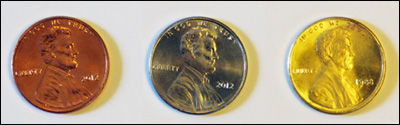
An explanation and simpler safer design for the classical gold penny demonstration. In order to turn the penny gold we ll melt the thin layer of zinc on the outside of the penny into the copper underneath. Rinse the gold penny under water to cool it. The golden penny demonstration. Take them out and rinse them off they will be silver.
 Source: terpconnect.umd.edu
This mixing of metals is an alloy called yellow brass artists often work with alloys like bronze steel or brass because of their durability and color. Students then witness the coin being heated in a bunsen flame forming an alloy of brass which makes the coin appear gold. Remove the penny from heat as soon as it changes color. With sticks remove the penny from the water. When the zinc covered penny is heated the copper atoms of the penny and the zinc atoms coating the penny mix and turn gold in color.
 Source: studylib.net
An explanation of the old experiment and the rational design of the new and simpler demonstration. Gently heat the penny in the outer cool part of a burner flame or with a lighter or candle or even set it on a hotplate. Rinse the gold penny under water to cool it. Students then witness the coin being heated in a bunsen flame forming an alloy of brass which makes the coin appear gold. Also clean the pennies first with salt water and vinegar to make them shiny before doing the experiment.
 Source: cointalk.com
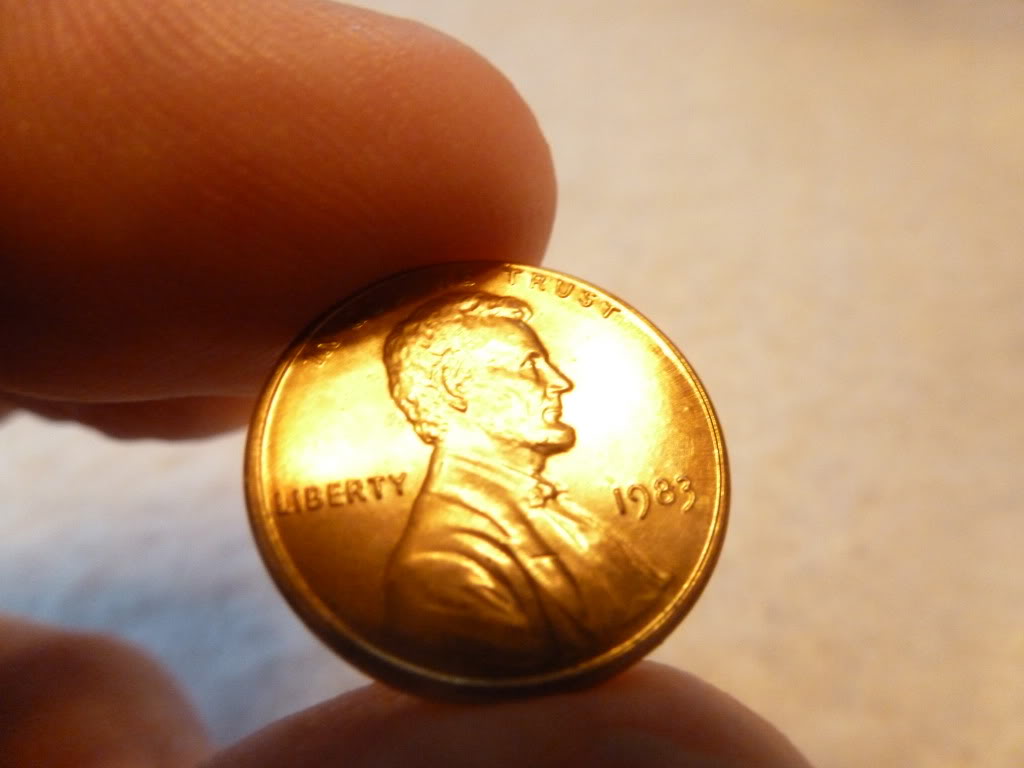
Gently heat the penny in the outer cool part of a burner flame or with a lighter or candle or even set it on a hotplate. Take them out and rinse them off they will be silver. Gently heat the penny in the outer cool part of a burner flame or with a lighter or candle or even set it on a hotplate. Then place them on low heat of hot plate or flame gently until they turn gold. Brass has the advantage of being corrosion resistant.
 Source: amateurchemistry.weebly.com
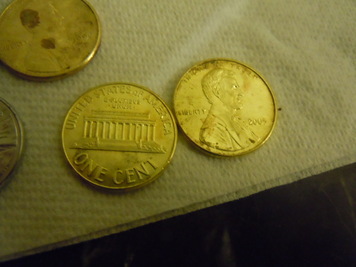
Brass has the advantage of being corrosion resistant. One of the goals of the ancient alchemists was to convert base metals into gold. Students then witness the coin being heated in a bunsen flame forming an alloy of brass which makes the coin appear gold. Also clean the pennies first with salt water and vinegar to make them shiny before doing the experiment. In order to turn the penny gold we ll melt the thin layer of zinc on the outside of the penny into the copper underneath.
 Source: studylib.net
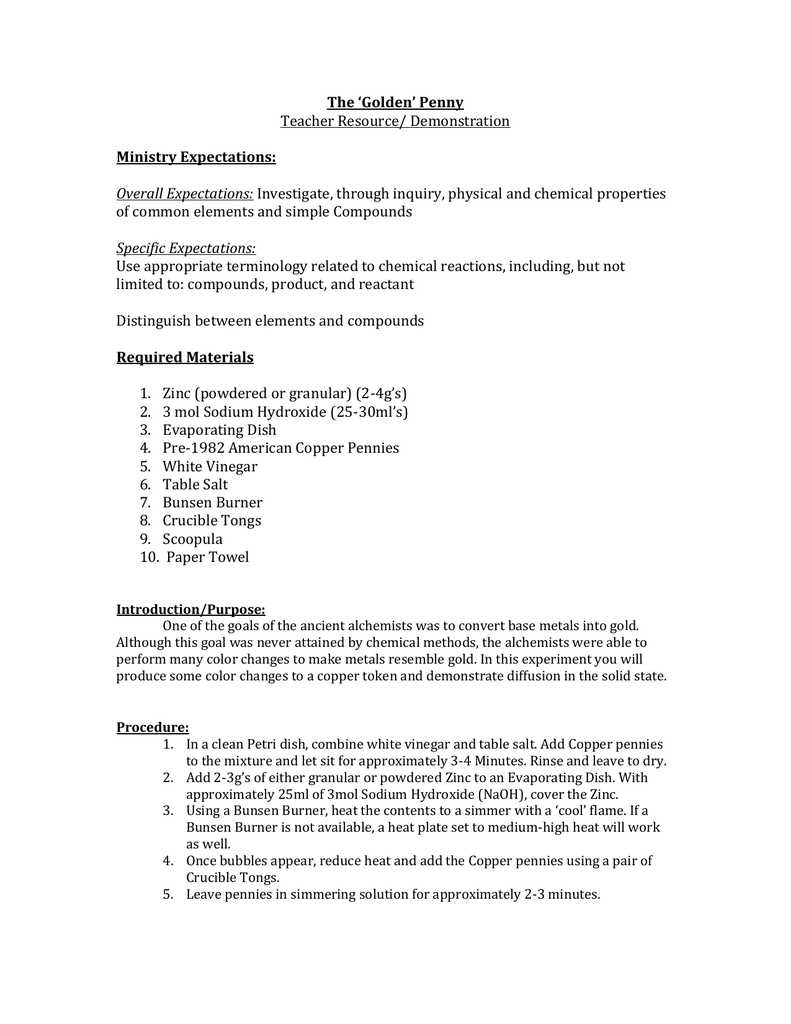
When the zinc covered penny is heated the copper atoms of the penny and the zinc atoms coating the penny mix and turn gold in color. Take them out and rinse them off they will be silver. Dry the penny with a paper towel. Zinc on the other hand would react with air and in a few days you d have a dull grey penny. Although this goal was never attained by chemical methods the alchemists were able to perform many color changes to.
 Source: thoughtco.com
This mixing of metals is an alloy called yellow brass artists often work with alloys like bronze steel or brass because of their durability and color. Heating the penny fuses the zinc and copper to form an alloy called brass. Although this goal was never attained by chemical methods the alchemists were able to perform many color changes to. Rinse the gold penny under water to cool it. In order to turn the penny gold we ll melt the thin layer of zinc on the outside of the penny into the copper underneath.
 Source: sciencecompany.com
Dry the penny with a paper towel. Although this goal was never attained by chemical methods the alchemists were able to perform many color changes to. An explanation and simpler safer design for the classical gold penny demonstration. Take them out and rinse them off they will be silver. In this experiment students observe a copper coin as it is dipped into a solution of sodium zincate in contact with zinc metal.
 Source: m.youtube.com
The golden penny demonstration. Silver penny post. Students then witness the coin being heated in a bunsen flame forming an alloy of brass which makes the coin appear gold. An explanation of the old experiment and the rational design of the new and simpler demonstration. This mixing of metals is an alloy called yellow brass artists often work with alloys like bronze steel or brass because of their durability and color.
Source: scinight.weebly.com
When the zinc covered penny is heated the copper atoms of the penny and the zinc atoms coating the penny mix and turn gold in color. In this experiment students observe a copper coin as it is dipped into a solution of sodium zincate in contact with zinc metal. Take them out and rinse them off they will be silver. Journal of chemical education. With sticks remove the penny from the chemical and drop the penny into a second 50 ml beaker with 20 ml of water.
 Source: cointalk.com
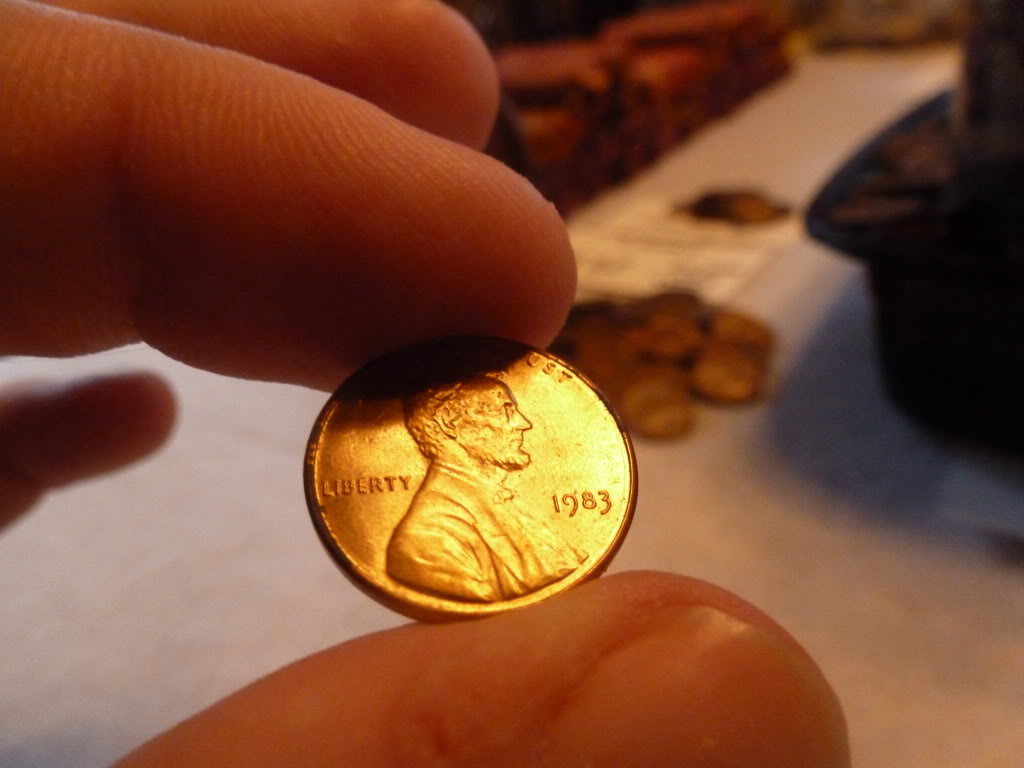
When the zinc covered penny is heated the copper atoms of the penny and the zinc atoms coating the penny mix and turn gold in color. Take them out and rinse them off they will be silver. After 1 minute use a stick to turn the penny over and allow it to simmer for another minute or until you observe a uniform color. Then add the pennies wait 10 minutes. Zinc on the other hand would react with air and in a few days you d have a dull grey penny.
 Source: stevespanglerscience.com
In this experiment students observe a copper coin as it is dipped into a solution of sodium zincate in contact with zinc metal. Silver penny post. When we do this we ll make the alloy brass which has a nice gold color. Then place them on low heat of hot plate or flame gently until they turn gold. Zinc on the other hand would react with air and in a few days you d have a dull grey penny.
 Source: bealsscience.com
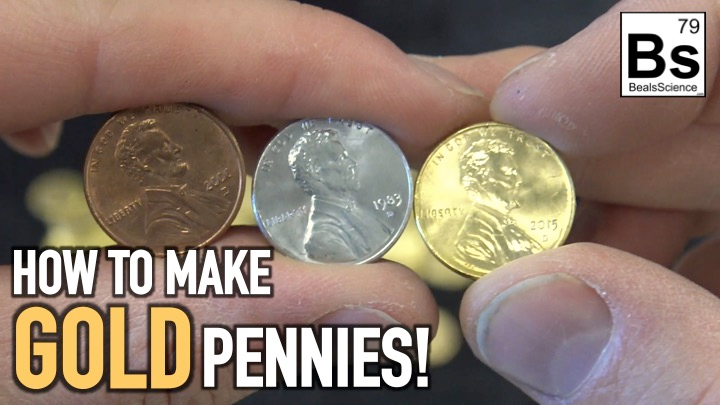
Zinc on the other hand would react with air and in a few days you d have a dull grey penny. An explanation of the old experiment and the rational design of the new and simpler demonstration. Also clean the pennies first with salt water and vinegar to make them shiny before doing the experiment. In order to turn the penny gold we ll melt the thin layer of zinc on the outside of the penny into the copper underneath. Remove the penny from heat as soon as it changes color.
If you find this site good, please support us by sharing this posts to your own social media accounts like Facebook, Instagram and so on or you can also bookmark this blog page with the title gold penny experiment explanation by using Ctrl + D for devices a laptop with a Windows operating system or Command + D for laptops with an Apple operating system. If you use a smartphone, you can also use the drawer menu of the browser you are using. Whether it’s a Windows, Mac, iOS or Android operating system, you will still be able to bookmark this website.