Hot air balloon experiment
If you’re searching for hot air balloon experiment images information related to the hot air balloon experiment interest, you have come to the ideal blog. Our site always gives you hints for downloading the maximum quality video and picture content, please kindly surf and find more informative video content and images that match your interests.
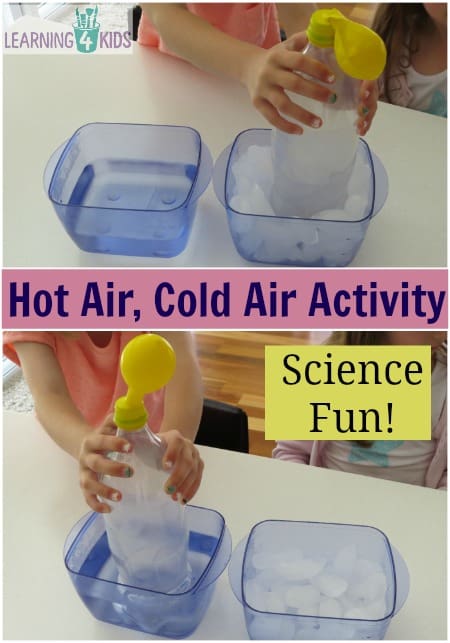
Hot Air Balloon Experiment. With the first successful flight occurring more than two hundred years ago in 1783 the humble hot air balloon will forever hold the record of being the first passenger flight device. The reason the balloon is sucked into the jar is due to air pressure. Materials needed for a hot air balloon experiment include. Hot air cold air science activity is a great experiment to watch the effects of hot air and cold air on a balloon.
 Diapers To Diplomas Balloon Science Experiments Science Experiments Kids Balloon Experiment From pinterest.com
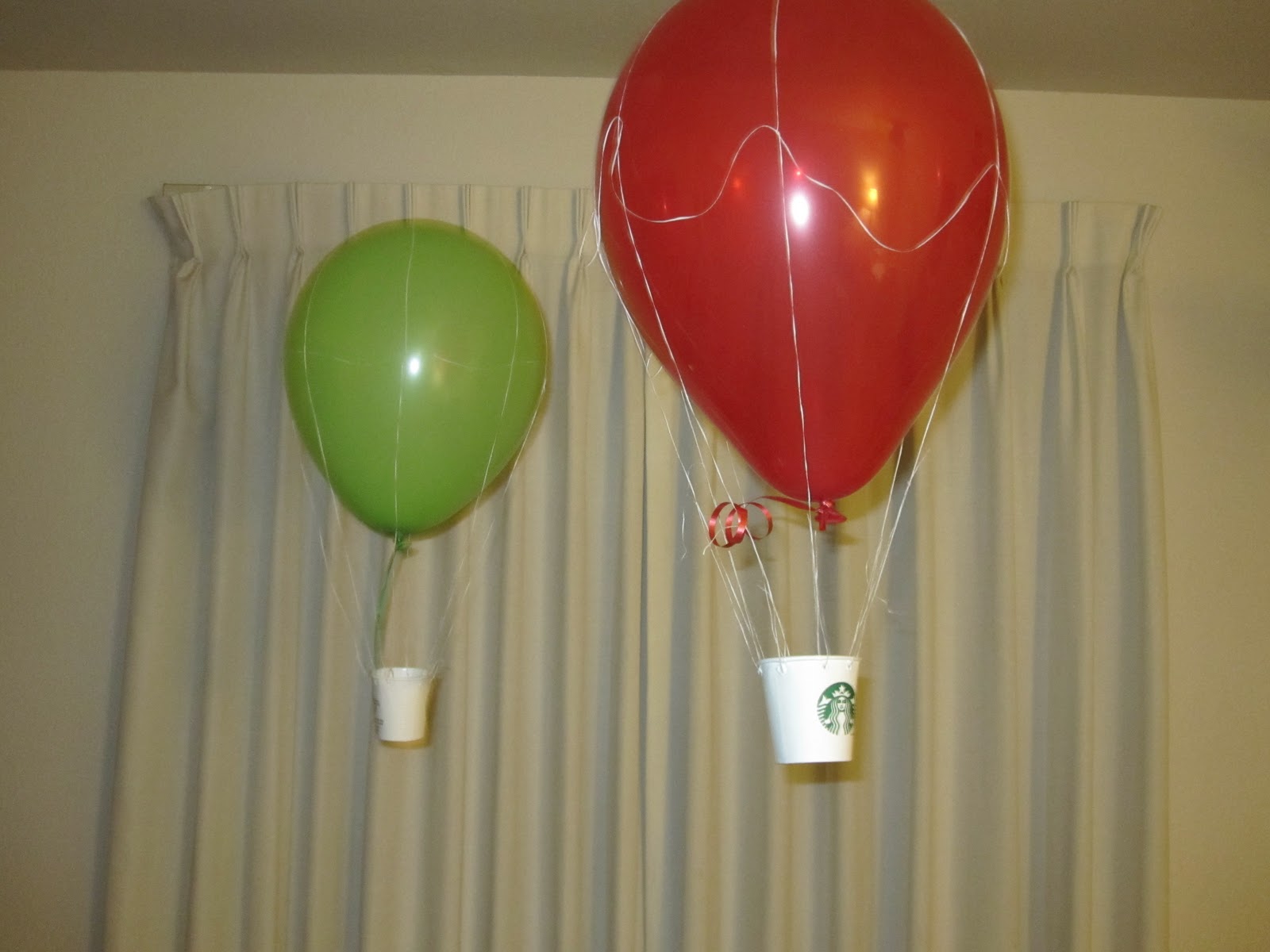
We can see the effect of heating up air with this simple hot and cold balloon experiment. Use the hot pad to remove the bottle to a heat safe location so the glass can cool. 1 human figure made up of paper or wire. Hot air balloon is a fun science experiment for kids to do at home where one can understand the effect of temperature on the density of air. How to use air pressure experiments to teach children. Have a look at steps to know how to make a mini hot air balloon without fire.
How to use air pressure experiments to teach children.
Before we had helicopters airplanes or even blimps there was only one way to travel the skies in a hot air balloon. Watch what happens to the balloon as the bottle cools. Kids have seen big hot air balloons and here they will learn exactly what makes the balloon rise and fall and how a pilot is able to maneuver it while in the air by making their own hot air balloon. How to inflate a balloon with hot air materials. Don t touch the glass. Diy hot air balloon at home raw materials.
 Source: fun-science-for-girls.com
Hot air balloon science experiment. 1 big and thin plastic bag. Diy hot air balloon at home raw materials. With the first successful flight occurring more than two hundred years ago in 1783 the humble hot air balloon will forever hold the record of being the first passenger flight device. Don t touch the glass.
 Source: 3gigglygirlsathome.wordpress.com
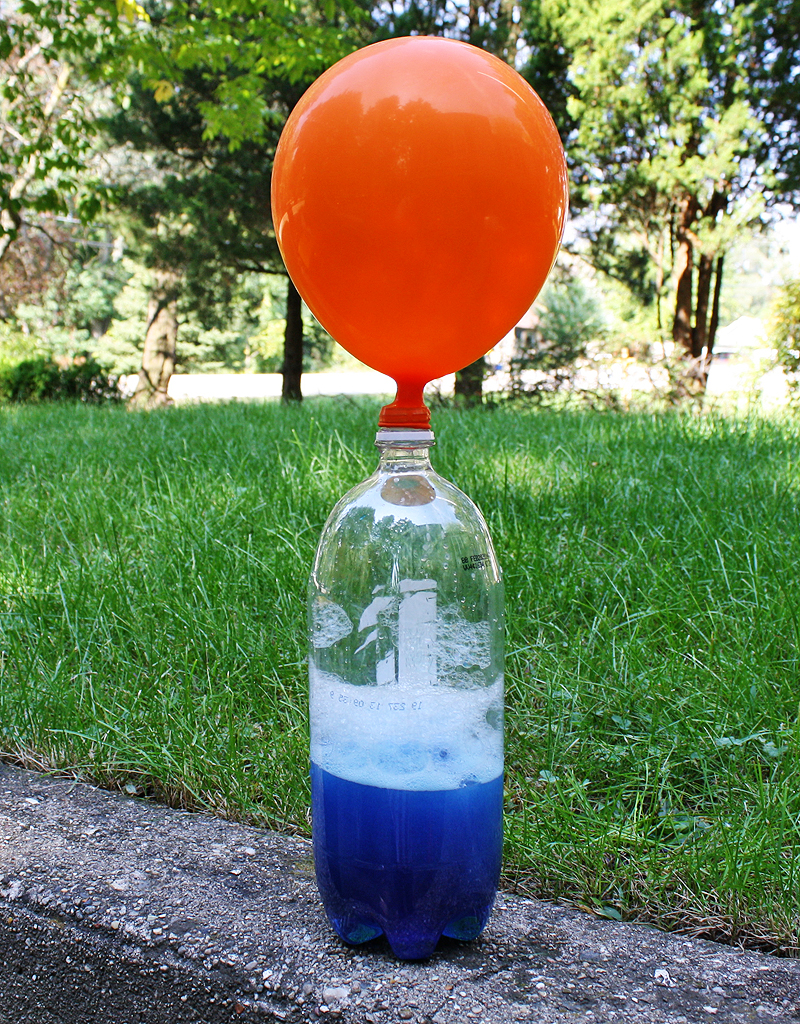
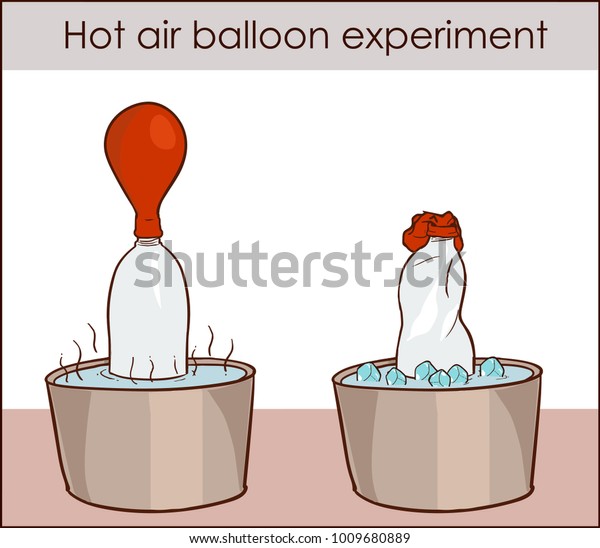
Hot air going into the balloon has a less dense concentration of molecules making the inflated balloon lighter than the cooler denser air surrounding it. The reason the balloon is sucked into the jar is due to air pressure. Hot air cold air science activity is a great experiment to watch the effects of hot air and cold air on a balloon. Kids will absolutely love this activity and will see first hand what effects hot and cold air has on a balloon. Your kids will love watching the balloon blow up and shrink by placing it in hot and cold water.
Source: pinterest.com
Have a look at steps to know how to make a mini hot air balloon without fire. The expanding property of gas is what enables hot air balloons to inflate and fly. Your kids will love watching the balloon blow up and shrink by placing it in hot and cold water. Use the hot pad to remove the bottle to a heat safe location so the glass can cool. How to use air pressure experiments to teach children.
 Source: dreamstime.com
Kids will absolutely love this activity and will see first hand what effects hot and cold air has on a balloon. 1 big and thin plastic bag. When that happens turn off the hot plate and leave the bottle on the hot hot plate. A pair of scissors. Hot air balloon science experiment.
 Source: learning4kids.net
As a result air expands and becomes less dense. That denser outer air buoys up the balloon and allows it to float. 1 human figure made up of paper or wire. The toaster has a ring of poster board around it to protect the balloon from direct heat. Hot air balloon science experiment.
 Source: pinterest.com
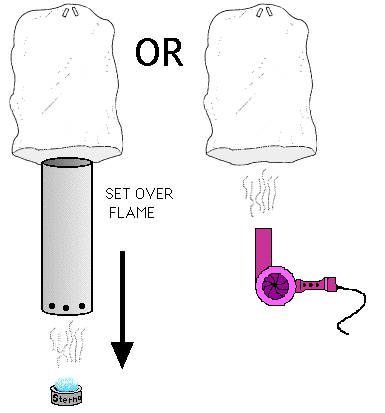
Hot air going into the balloon has a less dense concentration of molecules making the inflated balloon lighter than the cooler denser air surrounding it. Before we had helicopters airplanes or even blimps there was only one way to travel the skies in a hot air balloon. The balloon a dry cleaning bag is folded near the launcher. When that happens turn off the hot plate and leave the bottle on the hot hot plate. We can see the effect of heating up air with this simple hot and cold balloon experiment.
 Source: sciencebuddies.org
Kids will absolutely love this activity and will see first hand what effects hot and cold air has on a balloon. Hot air balloon is a fun science experiment for kids to do at home where one can understand the effect of temperature on the density of air. With the first successful flight occurring more than two hundred years ago in 1783 the humble hot air balloon will forever hold the record of being the first passenger flight device. Materials needed for a hot air balloon experiment include. Hot air cold air science activity is a great experiment to watch the effects of hot air and cold air on a balloon.
 Source: officialkidsmag.com
How to inflate a balloon with hot air materials. Use the hot pad to remove the bottle to a heat safe location so the glass can cool. Have a look at steps to know how to make a mini hot air balloon without fire. That denser outer air buoys up the balloon and allows it to float. The expanding property of gas is what enables hot air balloons to inflate and fly.
 Source: how-things-work-science-projects.com
The balloon a dry cleaning bag is folded near the launcher. The balloon will fill up with hot air and stand straight up. How to use air pressure experiments to teach children. Start with a pan of h. Kids will absolutely love this activity and will see first hand what effects hot and cold air has on a balloon.
 Source: m.youtube.com
Hot air going into the balloon has a less dense concentration of molecules making the inflated balloon lighter than the cooler denser air surrounding it. Fill the balloon ages 3 this simple science experiment demonstrates the space air molecules take up as they are heated and cooled. Don t touch the glass. 1 human figure made up of paper or wire. A toaster wrapped with a ring of poster board and a folded dry cleaning bag.
 Source: kixcereal.com
How to use air pressure experiments to teach children. Kids will absolutely love this activity and will see first hand what effects hot and cold air has on a balloon. Kids have seen big hot air balloons and here they will learn exactly what makes the balloon rise and fall and how a pilot is able to maneuver it while in the air by making their own hot air balloon. Hot air balloon is a fun science experiment for kids to do at home where one can understand the effect of temperature on the density of air. Before we had helicopters airplanes or even blimps there was only one way to travel the skies in a hot air balloon.
 Source: shutterstock.com
Before we had helicopters airplanes or even blimps there was only one way to travel the skies in a hot air balloon. The expanding property of gas is what enables hot air balloons to inflate and fly. The balloon will fill up with hot air and stand straight up. How to use air pressure experiments to teach children. Kids will absolutely love this activity and will see first hand what effects hot and cold air has on a balloon.
 Source: pinterest.com
The balloon a dry cleaning bag is folded near the launcher. Your kids will love watching the balloon blow up and shrink by placing it in hot and cold water. When the piece of paper is heated it creates hot air which escapes around the balloon. As a result air expands and becomes less dense. How to use air pressure experiments to teach children.
 Source: diys.com
That denser outer air buoys up the balloon and allows it to float. Diy hot air balloon at home raw materials. Hot air cold air science activity is a great experiment to watch the effects of hot air and cold air on a balloon. As a result air expands and becomes less dense. The balloon will fill up with hot air and stand straight up.
 Source: grc.nasa.gov
That denser outer air buoys up the balloon and allows it to float. We can see the effect of heating up air with this simple hot and cold balloon experiment. A pair of scissors. Don t touch the glass. How to use air pressure experiments to teach children.
If you find this site convienient, please support us by sharing this posts to your preference social media accounts like Facebook, Instagram and so on or you can also save this blog page with the title hot air balloon experiment by using Ctrl + D for devices a laptop with a Windows operating system or Command + D for laptops with an Apple operating system. If you use a smartphone, you can also use the drawer menu of the browser you are using. Whether it’s a Windows, Mac, iOS or Android operating system, you will still be able to bookmark this website.