Lava lamp experiment explanation
If you’re searching for lava lamp experiment explanation images information connected with to the lava lamp experiment explanation topic, you have visit the right site. Our site frequently provides you with suggestions for downloading the highest quality video and image content, please kindly search and locate more enlightening video articles and graphics that match your interests.
Lava Lamp Experiment Explanation. Vinegar is more dense than the vegetable oil we are using in this science experiment. They may even ask you to do it over and over again like mine did. Understand the working principle of a lava lamp clearly by performing the lava lamp experiment given here. This can explain why oil and water don t mix.
 The Lava Lamp Experiment Explained Not Clickbait Youtube From youtube.com
This lava science experiment is sure to wow your kids. Get ready to inspire your little scientists with this super cool beginner chemistry experiment. If you are in short supply of eno tablets there is an alternate way to execute the lava lamp science project. Watch scientist joe as he makes the lava lamp experiment here. This is such a fun science experiment. As it expands it becomes less dense.
You may have to wait a couple of minutes for the oil and water to separate.
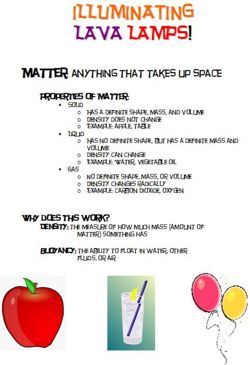
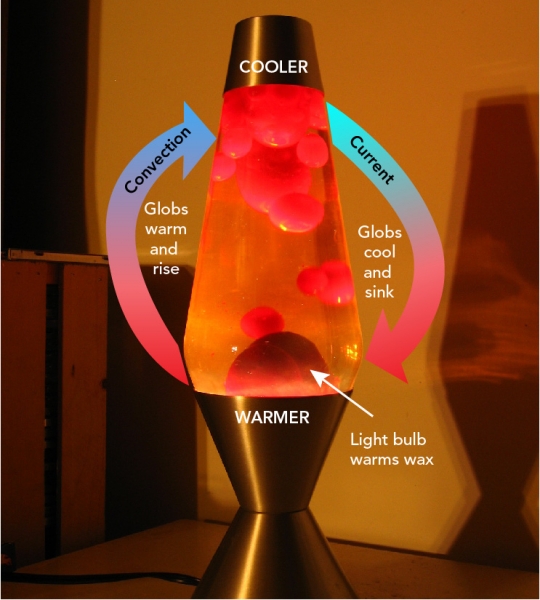
Lava lamp works based on two important scientific principles density and polarity. The denser liquid sinks to the bottom but the lava lamp light heats it up until it expands and becomes less dense causing it to rise upward. Real lava lamps use a polar and non polar liquid just like our homemade one did. As it expands it becomes less dense. Pour the vegetable oil in the bottle until is almost full. If you are in short supply of eno tablets there is an alternate way to execute the lava lamp science project.
 Source: wikieducator.org
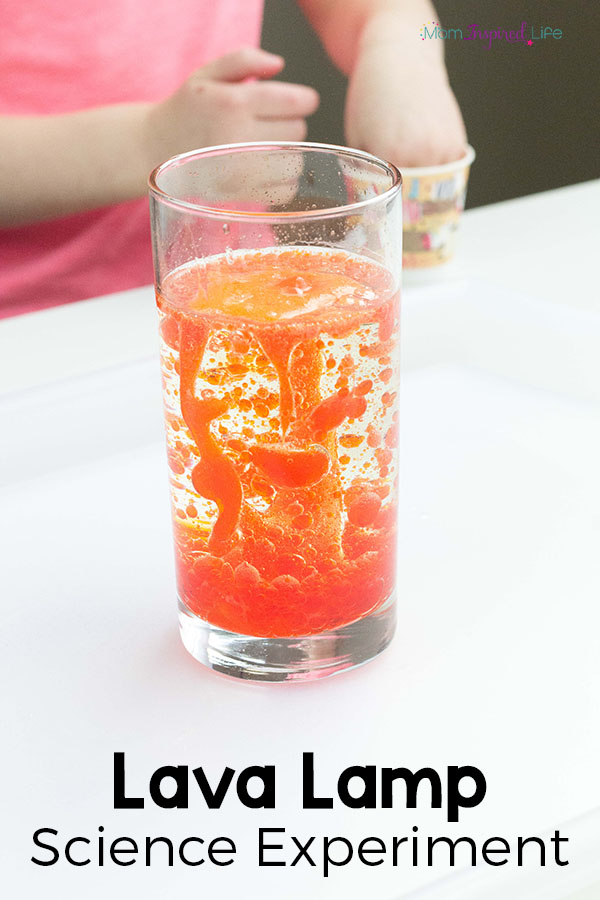
Tall glass jar baking soda sodium bicarbonate vinegar. Because the liquids have very similar densities the formerly heavier liquid is suddenly lighter than the other liquid so it rises. This can explain why oil and water don t mix. The bubbles attach themselves to the blobs of colored water and bring them to the top of the glass. This is such a fun science experiment.
 Source: funlearningforkids.com
The bubbles attach themselves to the blobs of colored water and bring them to the top of the glass. You may have to wait a couple of minutes for the oil and water to separate. These lava lamp bottles are easy to put together and great for kids at any age. That s why it sinks to the bottom of the container. Another easy but equally efficient way to create the magical lava lamp is to use a mixture of baking soda and vinegar.
 Source: thesun.co.uk
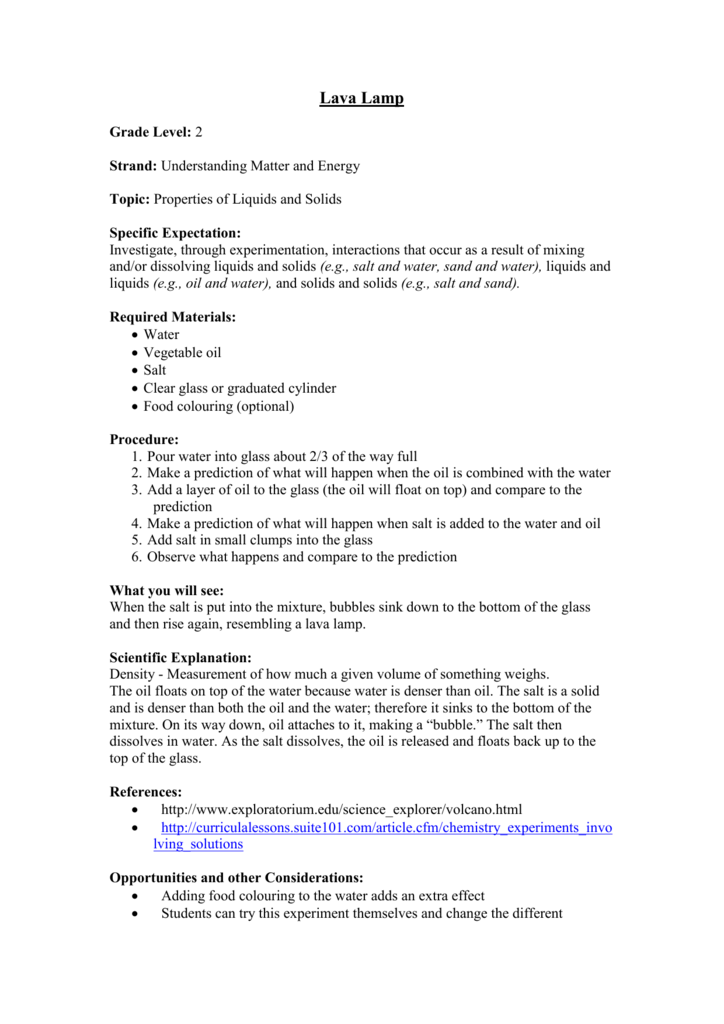
You may have to wait a couple of minutes for the oil and water to separate. Materials for lava lamp experiment. Lava lamp science experiment experiment summary students will make a lava lamp that they can take home with them. This simple chemistry experiment uses the density differences of water and oil to make what looks like a lava lamp. Fill the bottle up about 1 4th 1 quarter with water.
 Source: sciencebob.com
This chemical reaction creates. If you are in short supply of eno tablets there is an alternate way to execute the lava lamp science project. This can explain why oil and water don t mix. Get ready to inspire your little scientists with this super cool beginner chemistry experiment. Materials for lava lamp experiment.
 Source: pinterest.com
This simple chemistry experiment uses the density differences of water and oil to make what looks like a lava lamp. Lava lamp science experiment experiment summary students will make a lava lamp that they can take home with them. That s why it sinks to the bottom of the container. This simple chemistry experiment uses the density differences of water and oil to make what looks like a lava lamp. The bubbles attach themselves to the blobs of colored water and bring them to the top of the glass.
 Source: youtube.com
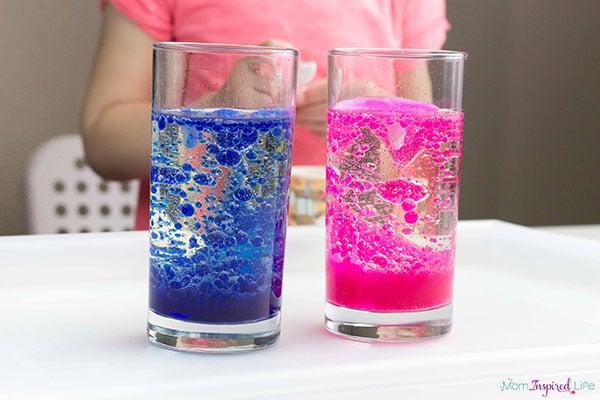
Materials for lava lamp experiment. Pour the vegetable oil in the bottle until is almost full. These lava lamp bottles are easy to put together and great for kids at any age. Lava lamp experiment with baking soda. When the bubbles pop the blobs of colored water fall back to the bottom of the glass.
 Source: funlearningforkids.com
In a liquid motion lamp the heat usually comes from a light bulb. Pour the vegetable oil in the bottle until is almost full. You may have to wait a couple of minutes for the oil and water to separate. When the bubbles pop the blobs of colored water fall back to the bottom of the glass. This is such a fun science experiment.
 Source: letstalkscience.ca
Another easy but equally efficient way to create the magical lava lamp is to use a mixture of baking soda and vinegar. Oil and vinegar do not have the same density. The heavier liquid absorbs the heat and as it heats up it expands. Lava lamp science experiment experiment summary students will make a lava lamp that they can take home with them. This chemical reaction creates.
 Source: schoolofdragons.com
Once the vinegar touches the bottom of the container it reacts with the baking soda. These lava lamp bottles are easy to put together and great for kids at any age. This can explain why oil and water don t mix. This chemical reaction creates. Lava lamp works based on two important scientific principles density and polarity.
Source: youtube.com
You may have to wait a couple of minutes for the oil and water to separate. In a real one however the densities of the liquids are much closer together than vegetable oil and water. Watch scientist joe as he makes the lava lamp experiment here. That s why it sinks to the bottom of the container. Tall glass jar baking soda sodium bicarbonate vinegar.
 Source: littlebinsforlittlehands.com
Science can be intimidating to many students due to the use of unknown items used in the experiments. You may want to use a measuring cup with a spout or a funnel. The denser liquid sinks to the bottom but the lava lamp light heats it up until it expands and becomes less dense causing it to rise upward. Materials for lava lamp experiment. This chemical reaction creates.
 Source: studylib.net
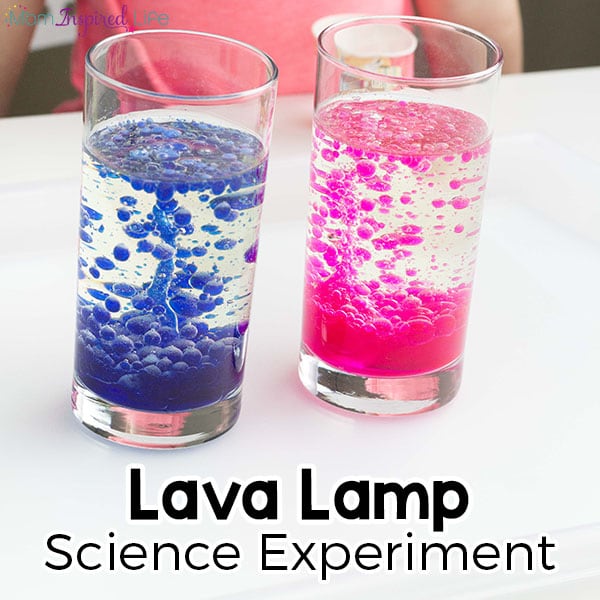
Pour the vegetable oil in the bottle until is almost full. Another easy but equally efficient way to create the magical lava lamp is to use a mixture of baking soda and vinegar. The heavier liquid absorbs the heat and as it heats up it expands. Vinegar is more dense than the vegetable oil we are using in this science experiment. The denser liquid sinks to the bottom but the lava lamp light heats it up until it expands and becomes less dense causing it to rise upward.
 Source: funlearningforkids.com
You may want to use a measuring cup with a spout or a funnel. Tall glass jar baking soda sodium bicarbonate vinegar. In a liquid motion lamp the heat usually comes from a light bulb. Diy lava lamp experiment explanation. That s why it sinks to the bottom of the container.
 Source: edu.glogster.com
This is such a fun science experiment. Another easy but equally efficient way to create the magical lava lamp is to use a mixture of baking soda and vinegar. Lava lamp science experiment experiment summary students will make a lava lamp that they can take home with them. In a real one however the densities of the liquids are much closer together than vegetable oil and water. These lava lamp bottles are easy to put together and great for kids at any age.
 Source: science-sparks.com
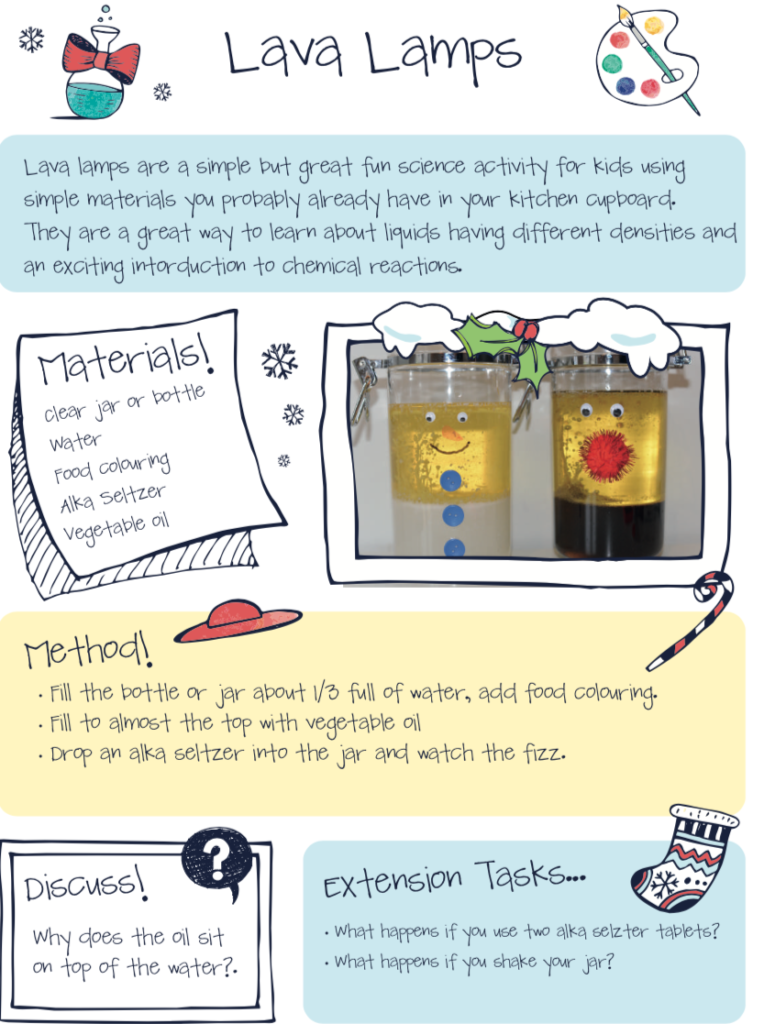
Real lava lamps use a polar and non polar liquid just like our homemade one did. The heavier liquid absorbs the heat and as it heats up it expands. Pour the vegetable oil in the bottle until is almost full. Real lava lamps use a polar and non polar liquid just like our homemade one did. Oil and vinegar do not have the same density.
If you find this site serviceableness, please support us by sharing this posts to your preference social media accounts like Facebook, Instagram and so on or you can also bookmark this blog page with the title lava lamp experiment explanation by using Ctrl + D for devices a laptop with a Windows operating system or Command + D for laptops with an Apple operating system. If you use a smartphone, you can also use the drawer menu of the browser you are using. Whether it’s a Windows, Mac, iOS or Android operating system, you will still be able to bookmark this website.