Potato electricity experiments for kids
If you’re looking for potato electricity experiments for kids images information linked to the potato electricity experiments for kids topic, you have come to the ideal blog. Our site always gives you hints for downloading the maximum quality video and picture content, please kindly hunt and find more informative video articles and images that match your interests.
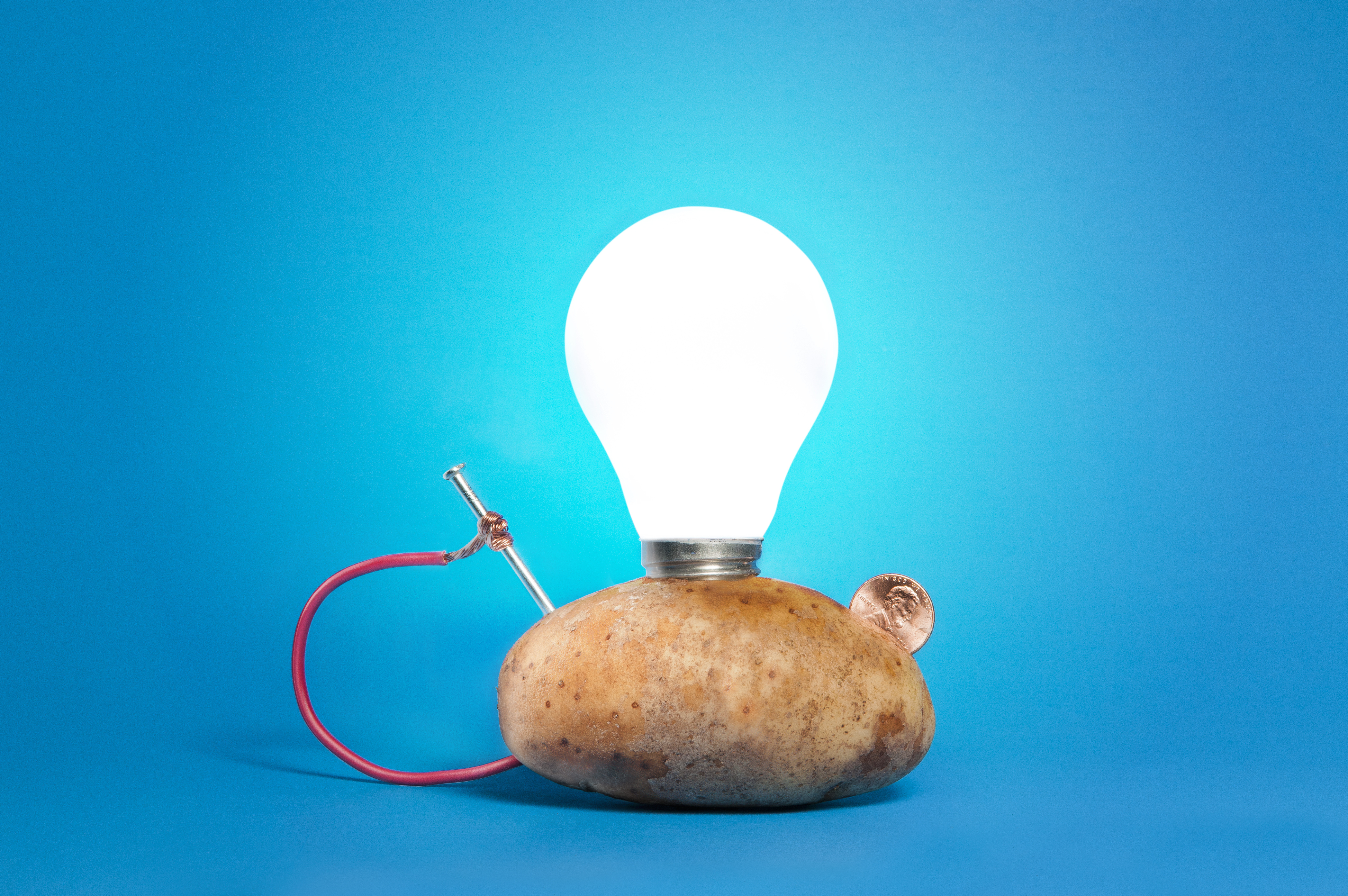
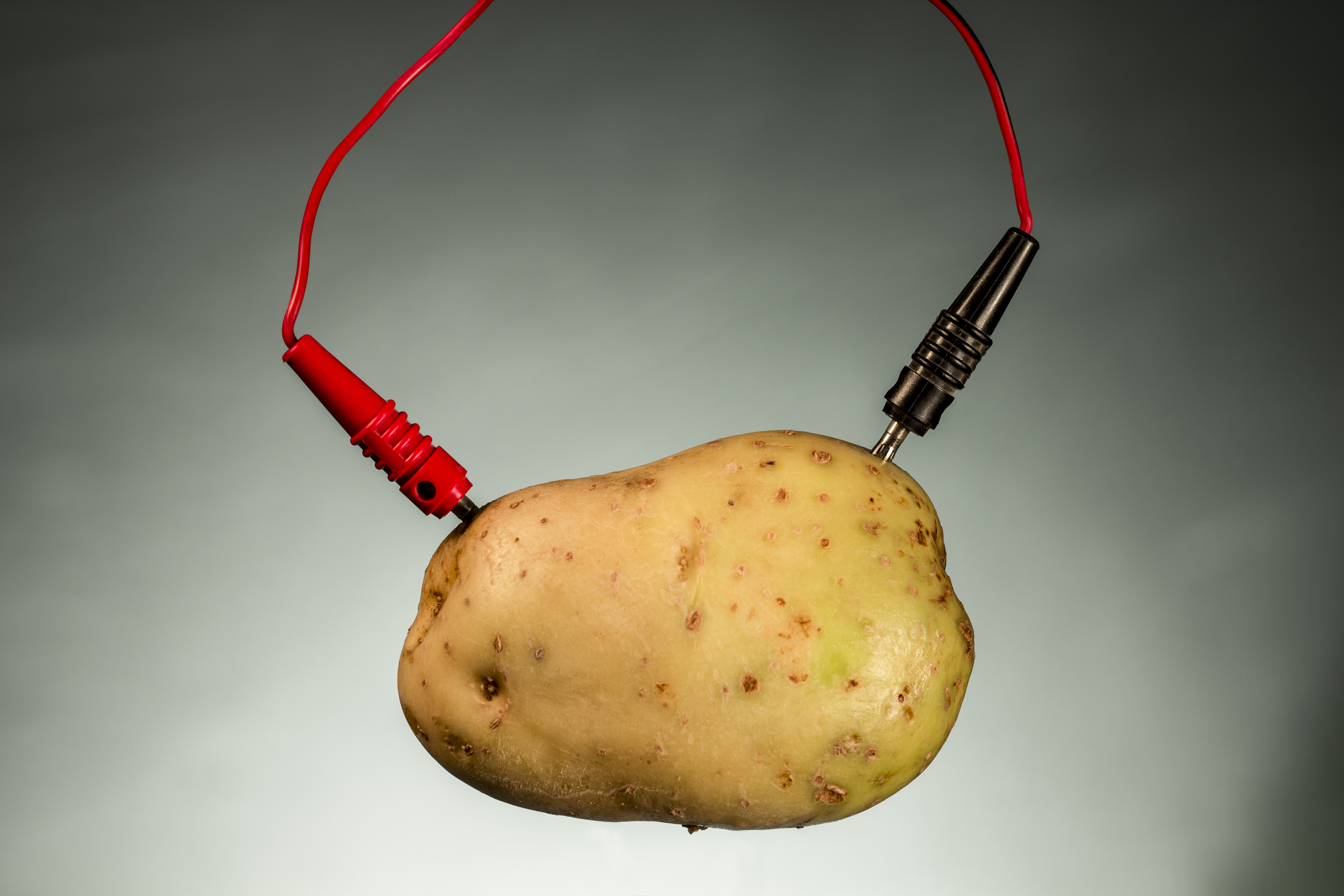
Potato Electricity Experiments For Kids. The liquid in a potato can act as the electrolyte. We can try a classic potato electricity experiment to illustrate how it works. Creating an electric battery out of an ordinary potato is a popular science project for middle school students. First make two slits about 1 deep on each end of each potato.
 How To Make A Potato Powered Light Bulb Google Search Easy Science Experiments Science Experiments Science Experiments Kids From pinterest.com
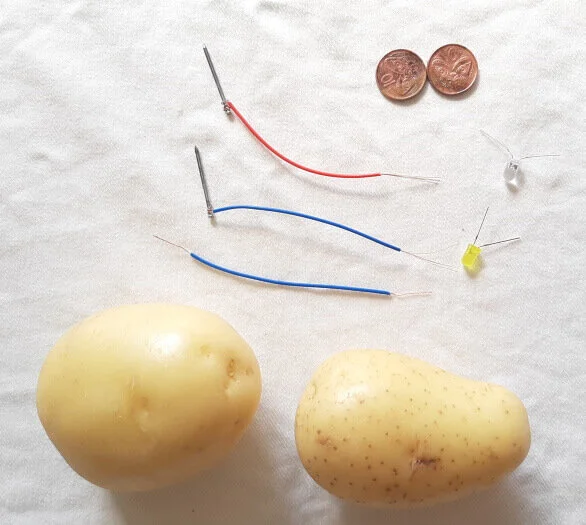
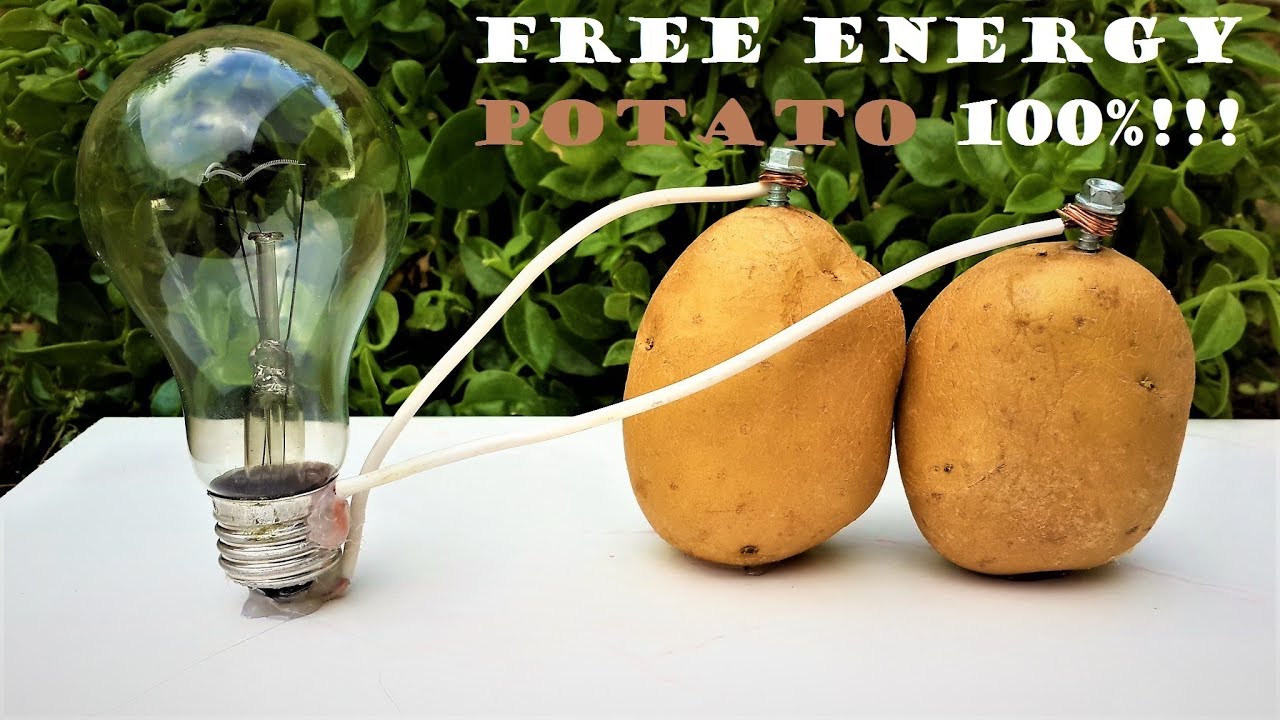
For example if one potato produces 1 volt two potatoes produce 2 volts. We can try a classic potato electricity experiment to illustrate how it works. In most commercial batteries electricity is generated by a chemical reaction between two electrodes copper and zinc and an electrolyte sulfuric acid. A series circuit increases the output voltage. Put another copper and zinc nail into the second potato. Next insert the thick copper wire into one slit and the nail into the other slit.
The liquid in a potato can act as the electrolyte.
Step 1 first generating electricity from potatoes means that you would need. The liquid in a potato can act as the electrolyte. A series circuit increases the output voltage. First make two slits about 1 deep on each end of each potato. In this type of cell a chemical reaction takes place which results in electricity being produced. Essentially we want to turn the potato into a galvanic or voltaic cell.
Source: pinterest.com
We can try a classic potato electricity experiment to illustrate how it works. Put another copper and zinc nail into the second potato. For example if one potato produces 1 volt two potatoes produce 2 volts. Do this for both potatoes. Step 1 first generating electricity from potatoes means that you would need.
 Source: pinterest.com
A series circuit increases the output voltage. A series circuit increases the output voltage. For example if one potato produces 1 volt two potatoes produce 2 volts. In most commercial batteries electricity is generated by a chemical reaction between two electrodes copper and zinc and an electrolyte sulfuric acid. Next insert the thick copper wire into one slit and the nail into the other slit.
 Source: pinterest.com
First make two slits about 1 deep on each end of each potato. In most commercial batteries electricity is generated by a chemical reaction between two electrodes copper and zinc and an electrolyte sulfuric acid. Creating an electric battery out of an ordinary potato is a popular science project for middle school students. In this type of cell a chemical reaction takes place which results in electricity being produced. We can try a classic potato electricity experiment to illustrate how it works.
 Source: sciencing.com
For example if one potato produces 1 volt two potatoes produce 2 volts. For example if one potato produces 1 volt two potatoes produce 2 volts. A series circuit increases the output voltage. Put another copper and zinc nail into the second potato. Next insert the thick copper wire into one slit and the nail into the other slit.
 Source: thoughtco.com
For example if one potato produces 1 volt two potatoes produce 2 volts. The liquid in a potato can act as the electrolyte. In most commercial batteries electricity is generated by a chemical reaction between two electrodes copper and zinc and an electrolyte sulfuric acid. Do this for both potatoes. In this type of cell a chemical reaction takes place which results in electricity being produced.
 Source: bbc.com
Use another potato to demonstrate how you can increase the voltage by wiring a second potato into the circuit to create a series. Put another copper and zinc nail into the second potato. Use another potato to demonstrate how you can increase the voltage by wiring a second potato into the circuit to create a series. First make two slits about 1 deep on each end of each potato. Step 1 first generating electricity from potatoes means that you would need.
 Source: study.com
Use another potato to demonstrate how you can increase the voltage by wiring a second potato into the circuit to create a series. Next insert the thick copper wire into one slit and the nail into the other slit. Put another copper and zinc nail into the second potato. Creating an electric battery out of an ordinary potato is a popular science project for middle school students. In this type of cell a chemical reaction takes place which results in electricity being produced.
 Source: upstartmag.co.nz
Next insert the thick copper wire into one slit and the nail into the other slit. Put another copper and zinc nail into the second potato. Next insert the thick copper wire into one slit and the nail into the other slit. A series circuit increases the output voltage. In this type of cell a chemical reaction takes place which results in electricity being produced.
 Source: m.youtube.com
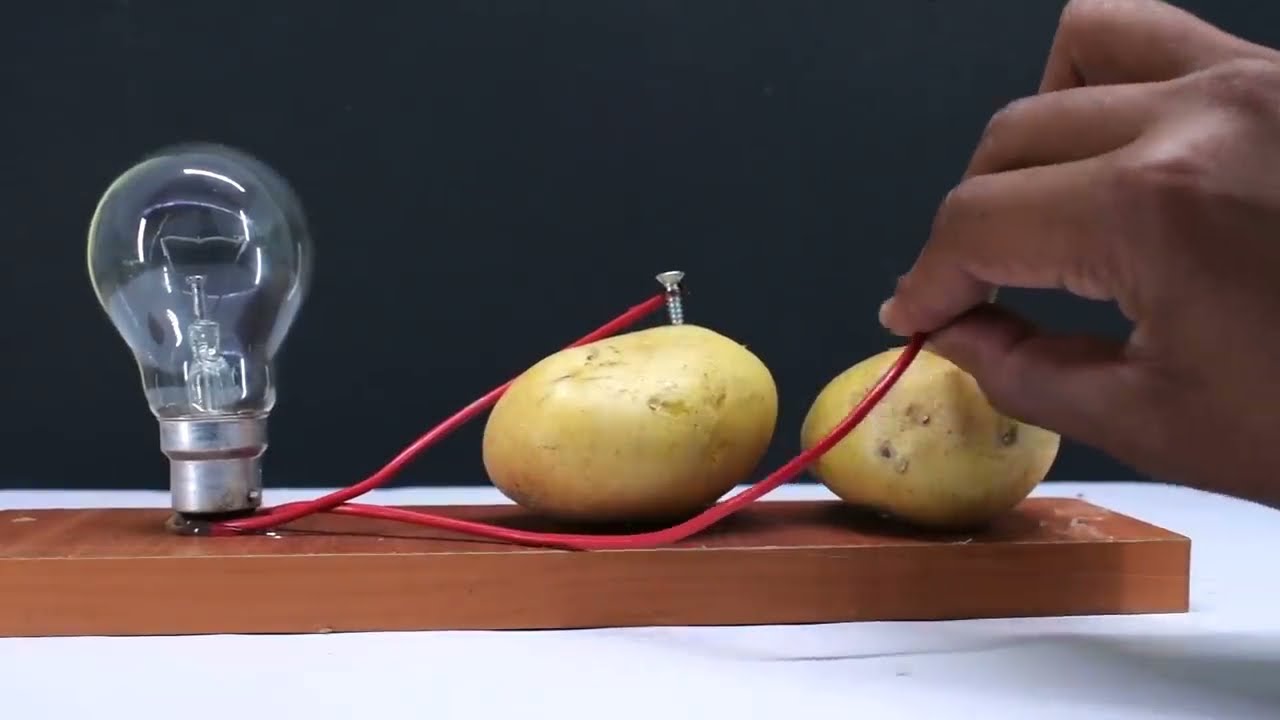
The liquid in a potato can act as the electrolyte. In most commercial batteries electricity is generated by a chemical reaction between two electrodes copper and zinc and an electrolyte sulfuric acid. Next insert the thick copper wire into one slit and the nail into the other slit. We can try a classic potato electricity experiment to illustrate how it works. Put another copper and zinc nail into the second potato.
 Source: m.youtube.com
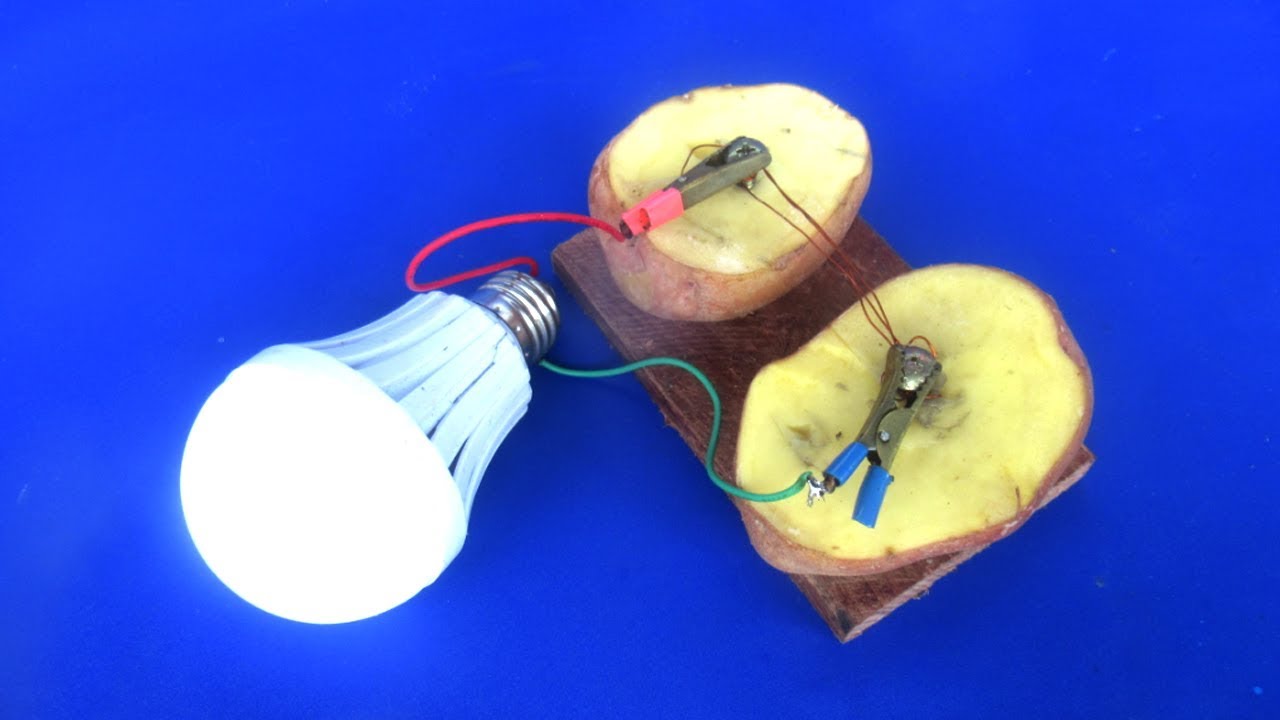
Do this for both potatoes. Creating an electric battery out of an ordinary potato is a popular science project for middle school students. Use another potato to demonstrate how you can increase the voltage by wiring a second potato into the circuit to create a series. A series circuit increases the output voltage. In most commercial batteries electricity is generated by a chemical reaction between two electrodes copper and zinc and an electrolyte sulfuric acid.
 Source: youtube.com
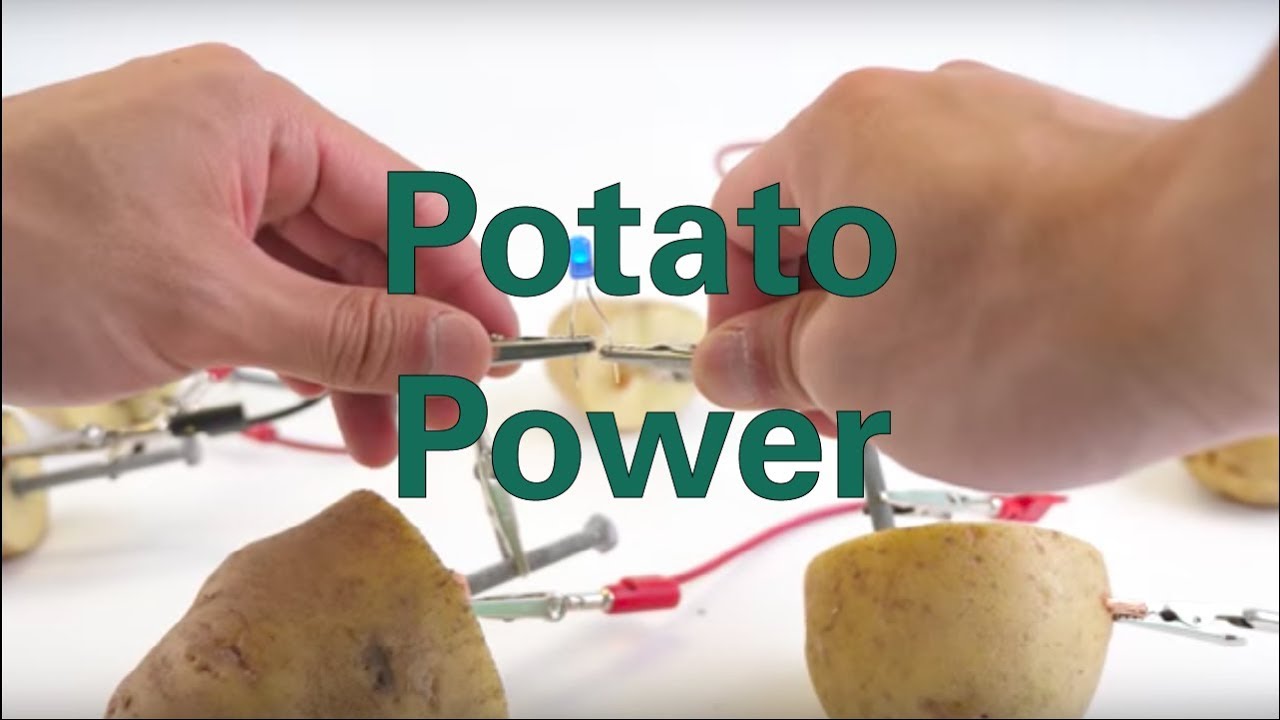
Essentially we want to turn the potato into a galvanic or voltaic cell. Next insert the thick copper wire into one slit and the nail into the other slit. Use another potato to demonstrate how you can increase the voltage by wiring a second potato into the circuit to create a series. Do this for both potatoes. Creating an electric battery out of an ordinary potato is a popular science project for middle school students.
 Source: youtube.com
Essentially we want to turn the potato into a galvanic or voltaic cell. In this type of cell a chemical reaction takes place which results in electricity being produced. Do this for both potatoes. Essentially we want to turn the potato into a galvanic or voltaic cell. Creating an electric battery out of an ordinary potato is a popular science project for middle school students.
 Source: livescience.com
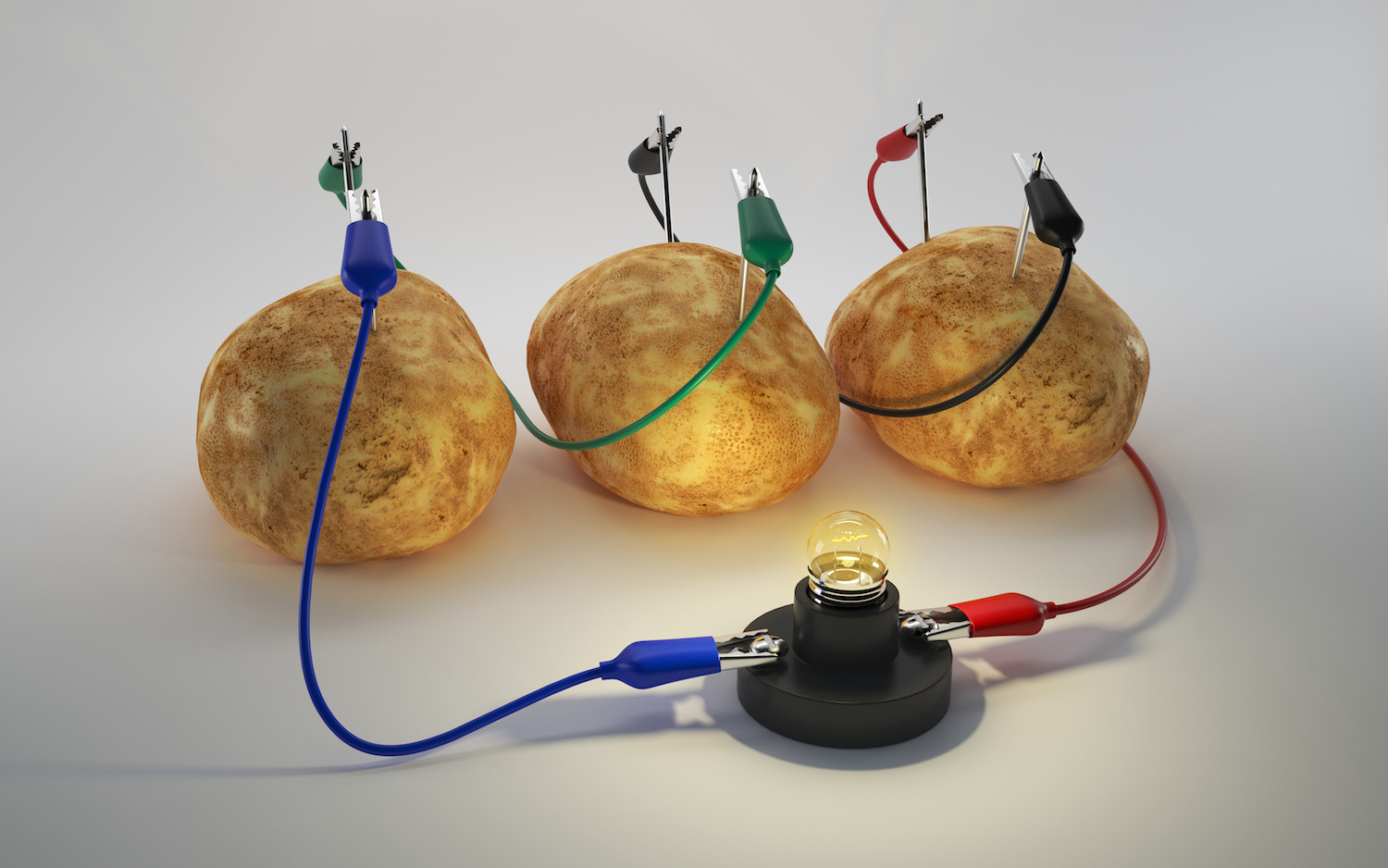
A series circuit increases the output voltage. In this type of cell a chemical reaction takes place which results in electricity being produced. In most commercial batteries electricity is generated by a chemical reaction between two electrodes copper and zinc and an electrolyte sulfuric acid. Essentially we want to turn the potato into a galvanic or voltaic cell. Use another potato to demonstrate how you can increase the voltage by wiring a second potato into the circuit to create a series.
 Source: pinterest.com
Essentially we want to turn the potato into a galvanic or voltaic cell. A series circuit increases the output voltage. We can try a classic potato electricity experiment to illustrate how it works. First make two slits about 1 deep on each end of each potato. Use another potato to demonstrate how you can increase the voltage by wiring a second potato into the circuit to create a series.
 Source: sciencing.com
In this type of cell a chemical reaction takes place which results in electricity being produced. Next insert the thick copper wire into one slit and the nail into the other slit. In most commercial batteries electricity is generated by a chemical reaction between two electrodes copper and zinc and an electrolyte sulfuric acid. In this type of cell a chemical reaction takes place which results in electricity being produced. Use another potato to demonstrate how you can increase the voltage by wiring a second potato into the circuit to create a series.
If you find this site adventageous, please support us by sharing this posts to your preference social media accounts like Facebook, Instagram and so on or you can also save this blog page with the title potato electricity experiments for kids by using Ctrl + D for devices a laptop with a Windows operating system or Command + D for laptops with an Apple operating system. If you use a smartphone, you can also use the drawer menu of the browser you are using. Whether it’s a Windows, Mac, iOS or Android operating system, you will still be able to bookmark this website.