Salt water crystal experiment
If you’re searching for salt water crystal experiment images information related to the salt water crystal experiment interest, you have come to the ideal blog. Our site always provides you with hints for seeking the maximum quality video and image content, please kindly hunt and find more enlightening video content and graphics that fit your interests.
Salt Water Crystal Experiment. Materials for salt and fresh water experiment method. If all the salt doesn t dissolve heat the cut in the microwave for 20 30 seconds. Place the cup in the refrigerator. Experiment with different types of table salt.
 Growing Crystals From sites.google.com
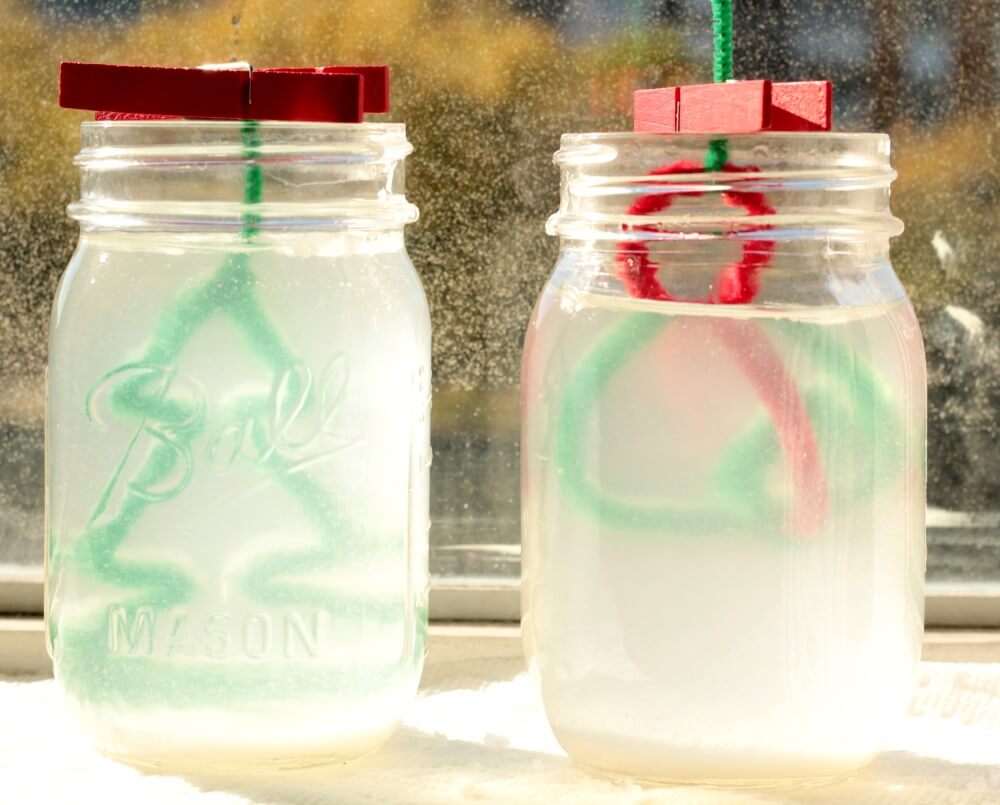
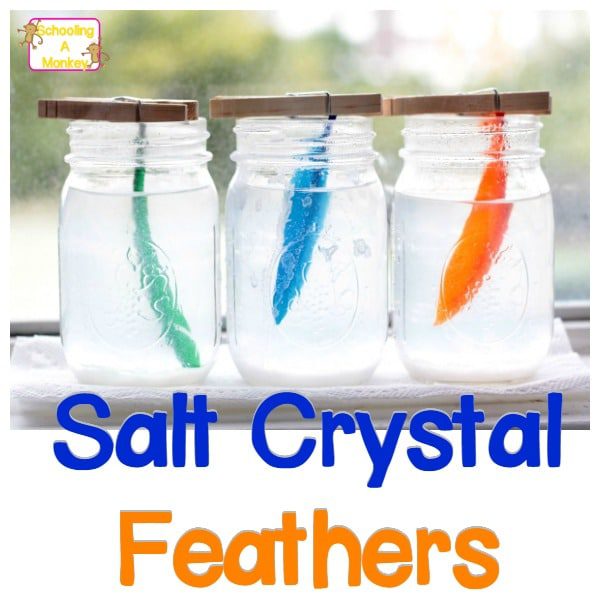
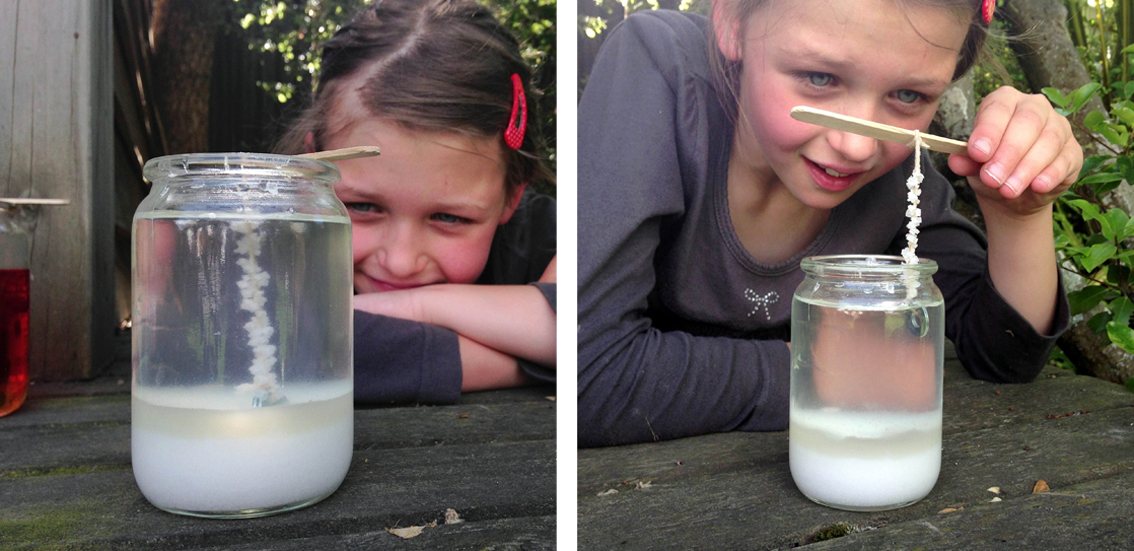
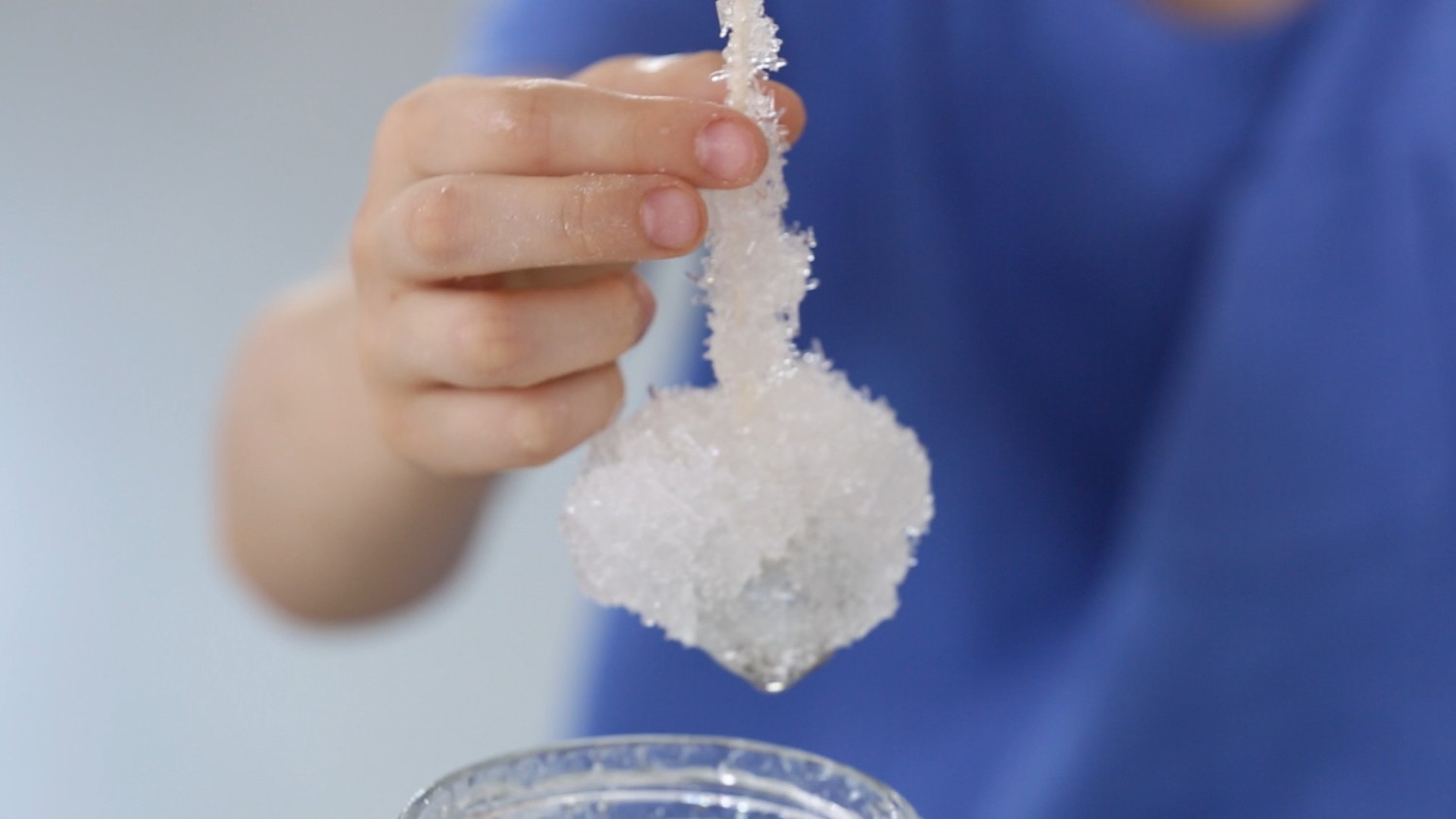
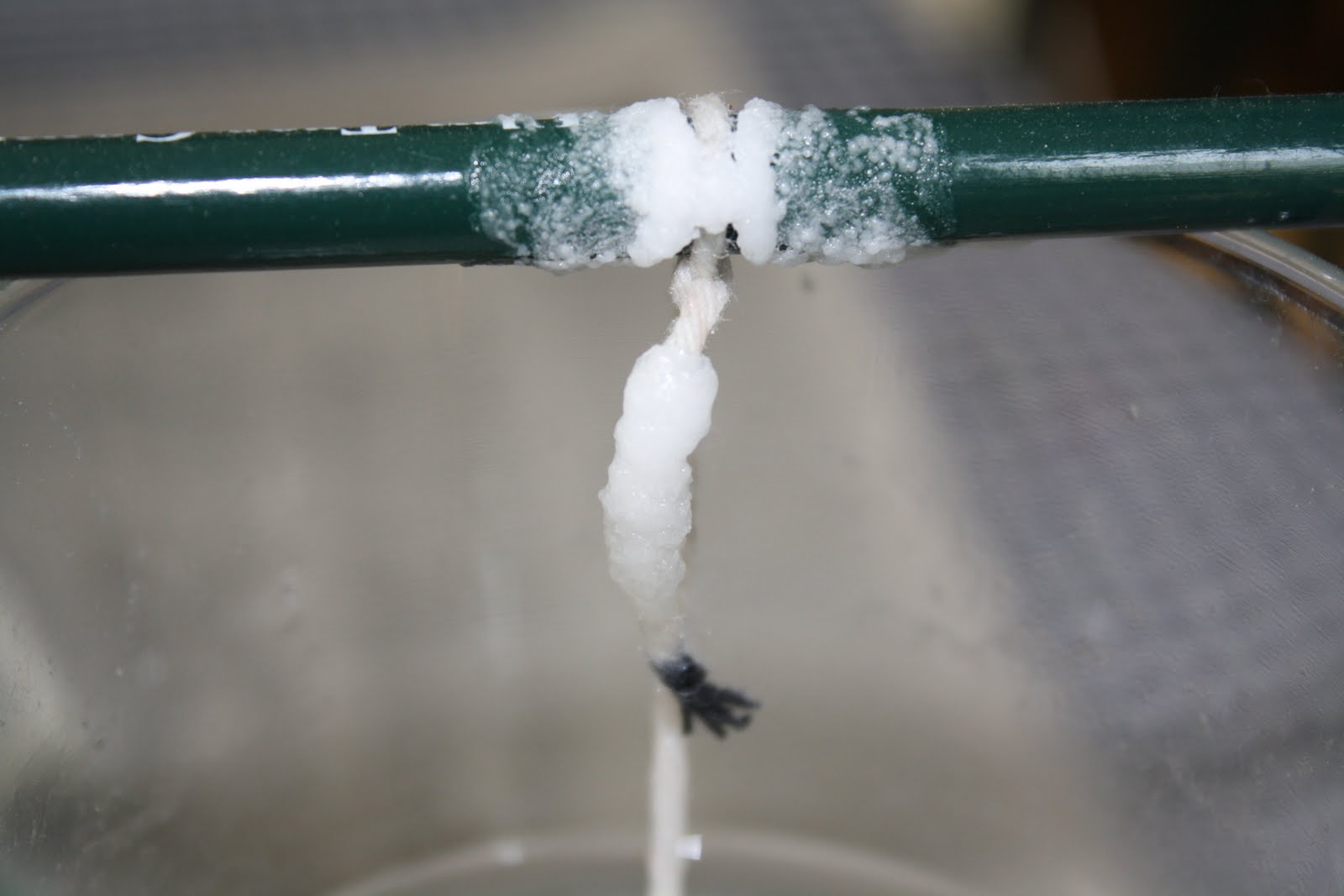
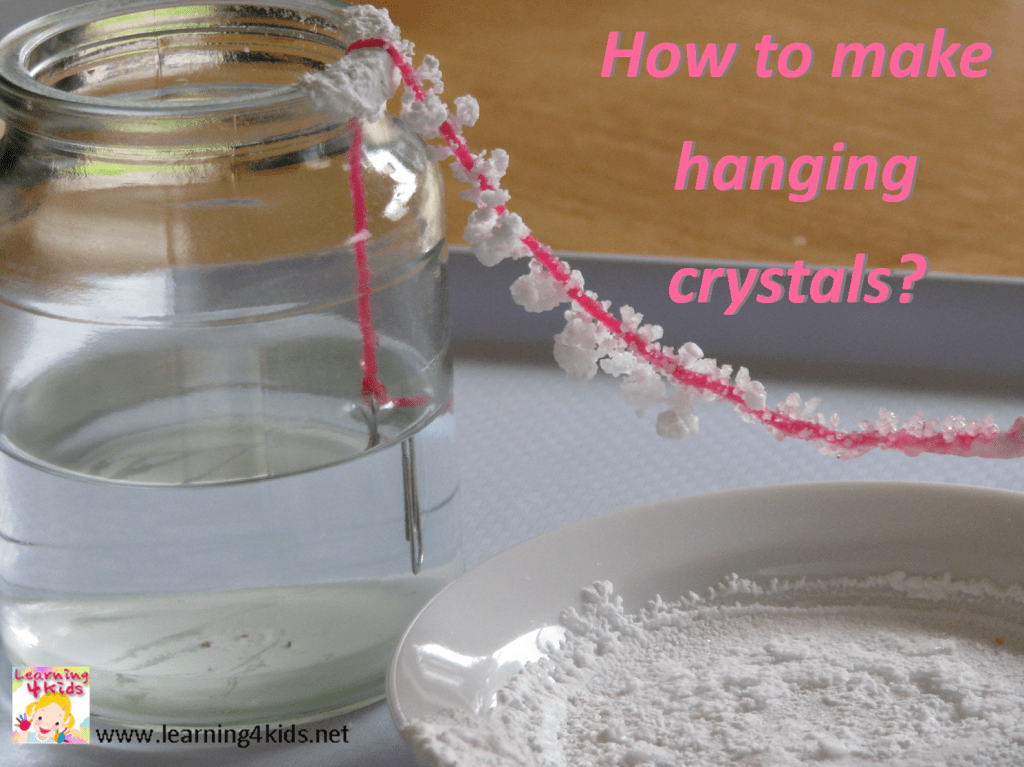
When the heated water cools it makes conditions very unstable so the dissolved salt will leave the water and grab onto the string. Adding green food coloring into the ice fresh water. Once all the water is gone use a magnifying glass to look at the crystals. Materials for salt and fresh water experiment method. When the water boils start adding salt. We started by filling our mason jars with water.
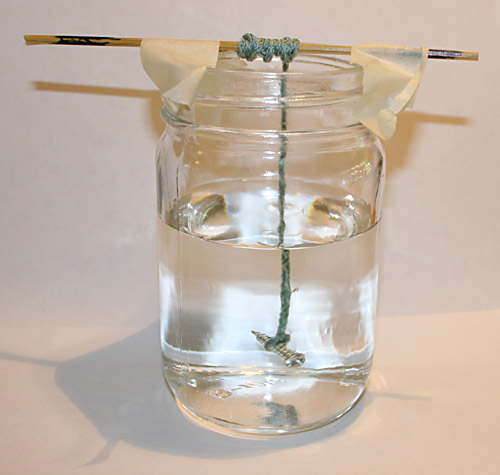
Continue adding salt to the water until the grains stop dissolving when you stir and then pour the mixture into clean clear heat safe jar or container.
Observing how the green food coloring disperses into the fresh water. If you are trying for the perfect crystal use un iodized salt and distilled water. 4 teaspoons table salt. An easy way to make salt crystals is to dissolve table salt in water and leave the solution somewhere warm until the water evaporates leaving behind sparkly salt crystals. Pour some of the salt water into a shallow glass bowl. Placing ice in fresh water.
 Source: pinterest.com
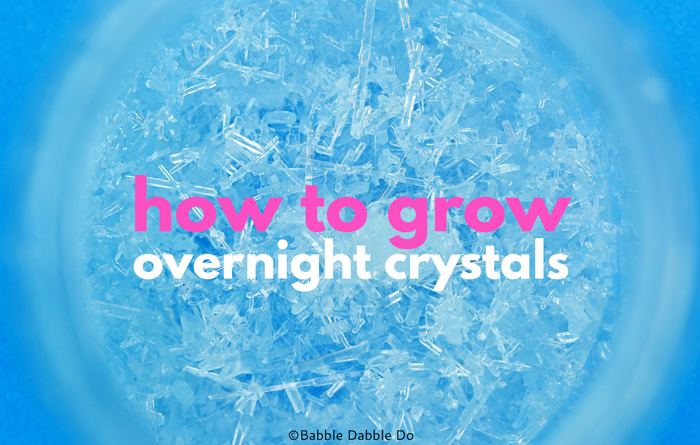
Within 4 hours crystals should form in the bottom of the cup. When all the salt is dissolved put a drop or two of food coloring in the cup and stir to mix. Materials for salt and fresh water experiment method. To make salt crystals easily at home start by heating 1 2 a cup of water in a pan until it begins to boil. When the heated water cools it makes conditions very unstable so the dissolved salt will leave the water and grab onto the string.
Source: sites.google.com
When the heated water cools it makes conditions very unstable so the dissolved salt will leave the water and grab onto the string. Pour some of the salt water into a shallow glass bowl. Place the cup in the refrigerator. See if there is any difference in the appearance of the crystals. Observing how the green food coloring disperses into the fresh water.
 Source: thebeakerlife.com
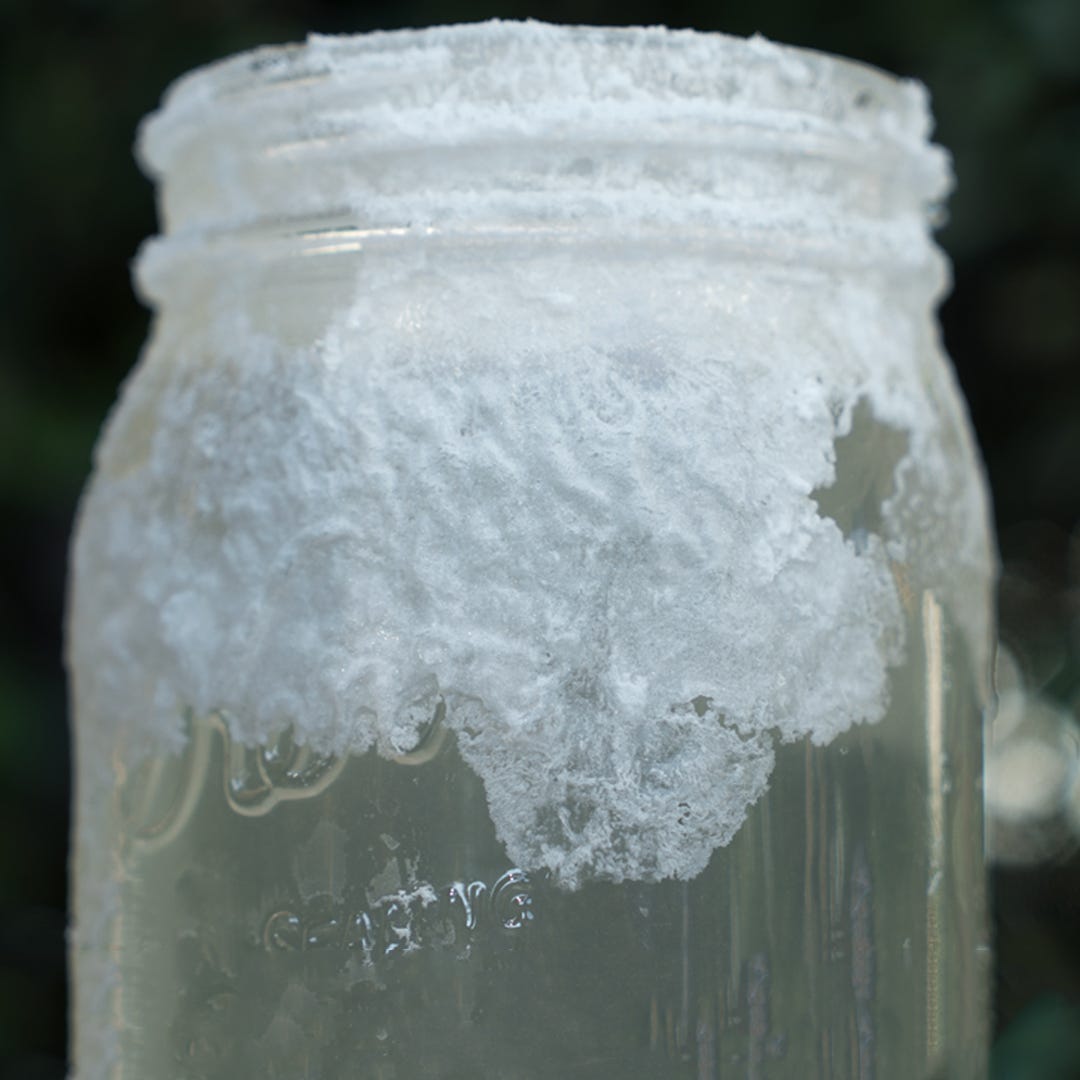
Experiment with different types of table salt. An easy way to make salt crystals is to dissolve table salt in water and leave the solution somewhere warm until the water evaporates leaving behind sparkly salt crystals. Adding green food coloring into the ice fresh water. It will take almost the entire container of salt for three snowflakes so don t be shy about adding it. The experiment includes the creation of a supersaturated solution in which the solution liquid contains more salt than water can usually hold.
 Source: lemonlimeadventures.com
See if there is any difference in the appearance of the crystals. You will need to heat about 3 cups of water per mason jar what we did was fill the jar and dump it into a pot. We also made coloured salt by adding a little food colouring. We started by filling our mason jars with water. Observing how the green food coloring disperses into the fresh water.
 Source: steamsational.com
The experiment includes the creation of a supersaturated solution in which the solution liquid contains more salt than water can usually hold. When the heated water cools it makes conditions very unstable so the dissolved salt will leave the water and grab onto the string. If all the salt doesn t dissolve heat the cut in the microwave for 20 30 seconds. An easy way to make salt crystals is to dissolve table salt in water and leave the solution somewhere warm until the water evaporates leaving behind sparkly salt crystals. This activity and more salt science experiments can be found in an salt science activity sheet made as part of a collaboration with the primary science teaching.
 Source: fromengineertosahm.com
When the heated water cools it makes conditions very unstable so the dissolved salt will leave the water and grab onto the string. Grow your own crystals with salt and water. When the heated water cools it makes conditions very unstable so the dissolved salt will leave the water and grab onto the string. Experiment with different types of table salt. An easy way to make salt crystals is to dissolve table salt in water and leave the solution somewhere warm until the water evaporates leaving behind sparkly salt crystals.
 Source: babbledabbledo.com
Try using different types of water such as tap water compared with distilled water. Dissolve the salt in the glass of water. To make salt crystals easily at home start by heating 1 2 a cup of water in a pan until it begins to boil. Add a few drops of food coloring into the ice water. Continue adding salt to the water until the grains stop dissolving when you stir and then pour the mixture into clean clear heat safe jar or container.
 Source: brotherjohns.wordpress.com
You will need to heat about 3 cups of water per mason jar what we did was fill the jar and dump it into a pot. Boil the water until the salt dissolves. When the water boils start adding salt. Pour some of the salt water into a shallow glass bowl. Place the cup in the refrigerator.
 Source: pinterest.de
Adding green food coloring into the ice fresh water. Experiment with different types of table salt. Adding green food coloring into the ice fresh water. Observing how the green food coloring disperses into the fresh water. Place a few ice cubes into one glass of water.
 Source: kidspot.co.nz
4 teaspoons table salt. His research also showed us how polluted and toxic water when exposed to to prayer and intention can be altered and restored to beautifully formed geometric crystals. See the following water crystal photographs from dr. Materials for salt and fresh water experiment method. Place the cup in the refrigerator.
 Source: marthastewart.com
It will take almost the entire container of salt for three snowflakes so don t be shy about adding it. We started by filling our mason jars with water. We also made coloured salt by adding a little food colouring. The experiment includes the creation of a supersaturated solution in which the solution liquid contains more salt than water can usually hold. Put the bowl in a warm place so that the water evaporates quickly.
 Source: minabema.blogspot.com
Keep pouring it in until crystals start to form on the surface of the water. Check on it every half hour or hour. If you are trying for the perfect crystal use un iodized salt and distilled water. Place a few ice cubes into one glass of water. 4 teaspoons table salt.
 Source: scienceprojectideas.org
The experiment includes the creation of a supersaturated solution in which the solution liquid contains more salt than water can usually hold. When all the salt is dissolved put a drop or two of food coloring in the cup and stir to mix. 4 teaspoons table salt. Then pour in 1 4 to a 1 2 cup of salt stirring until the water is clear. See the following water crystal photographs from dr.
 Source: pinterest.com
The experiment includes the creation of a supersaturated solution in which the solution liquid contains more salt than water can usually hold. His research also showed us how polluted and toxic water when exposed to to prayer and intention can be altered and restored to beautifully formed geometric crystals. It will take almost the entire container of salt for three snowflakes so don t be shy about adding it. Place a few ice cubes into one glass of water. See if there is any difference in the appearance of the crystals.
 Source: learning4kids.net
Each water crystal you see was exposed to the word it has written next to it prior to being photographed. Then pour in 1 4 to a 1 2 cup of salt stirring until the water is clear. Pour some of the salt water into a shallow glass bowl. When the heated water cools it makes conditions very unstable so the dissolved salt will leave the water and grab onto the string. This activity and more salt science experiments can be found in an salt science activity sheet made as part of a collaboration with the primary science teaching.
If you find this site value, please support us by sharing this posts to your own social media accounts like Facebook, Instagram and so on or you can also bookmark this blog page with the title salt water crystal experiment by using Ctrl + D for devices a laptop with a Windows operating system or Command + D for laptops with an Apple operating system. If you use a smartphone, you can also use the drawer menu of the browser you are using. Whether it’s a Windows, Mac, iOS or Android operating system, you will still be able to bookmark this website.