Solenoid experiment physics
If you’re searching for solenoid experiment physics images information related to the solenoid experiment physics topic, you have pay a visit to the right site. Our site always gives you hints for refferencing the highest quality video and image content, please kindly search and locate more enlightening video content and graphics that match your interests.
Solenoid Experiment Physics. You can create a stronger magnetic field by taking wire and forming it into a coil. When a current is sent through the wire a magnetic field is created inside the cylinder. You can use ampere s law to calculate the magnetic field inside a solenoid. Faraday s solenoid experiment when magnet is stationary inside or outside the solenoid no deflection of galvanometer pointer.
 Electromagnetic Induction From science.sbcc.edu
Faraday s solenoid experiment when magnet is stationary inside or outside the solenoid no deflection of galvanometer pointer. In this experiment you will use an electric current running through a solenoid to suck a needle into a straw. This arrangement is known as a solenoid. When a current is sent through the wire a magnetic field is created inside the cylinder. The wire is closely wound around the outside of a long cylinder in the form of a helix with a small pitch. The field is more concentrated in the center of the loop than outside the loop.
A solenoid is a long cylinder upon which is wound a uniform coil of wire.
A solenoid is a combination of closely wound loops of wire in the form of helix and each loop of wire has its own magnetic field magnetic moment or magnetic dipole moment. This arrangement is known as a solenoid. Solenoids have many practical implications and they are mainly used to create magnetic fields or as electromagnets. By adding more loops to a coil you create an increasingly stronger magnetic field. When magnet is inserted into the solenoid the galvanometer pointer deflects in one direction. The wire is closely wound around the outside of a long cylinder in the form of a helix with a small pitch.
 Source: myslu.stlawu.edu
Magnetic field of a solenoid magnetic field of a solenoid page 1 purpose the purposes of this experiment are 1. This arrangement is known as a solenoid. A large number of such loops allow you combine magnetic fields of each loop to create a greater magnetic. Magnetic field of a solenoid magnetic field of a solenoid page 1 purpose the purposes of this experiment are 1. Stacking multiple loops also concentrates the field even more.
 Source: andrews.edu
Faraday s solenoid experiment when magnet is stationary inside or outside the solenoid no deflection of galvanometer pointer. A single strand of wire produces only a very weak magnetic field but a tight coil of wire called a solenoid gives off a stronger field. This arrangement is known as a solenoid. Your extended right thumb then points in the direction of the magnetic field inside the solenoid. A stronger electric current produces a stronger magnetic field and more turns per meter in a solenoid also results in a.
 Source: aliexpress.com
Faraday s solenoid experiment when magnet is stationary inside or outside the solenoid no deflection of galvanometer pointer. When magnet is inserted into the solenoid the galvanometer pointer deflects in one direction. You can use ampere s law to calculate the magnetic field inside a solenoid. 5 feet insulated copper wire. You can create a stronger magnetic field by taking wire and forming it into a coil.
 Source: physics.randolphcollege.edu
The usual solenoid has a length several times its diameter. A large number of such loops allow you combine magnetic fields of each loop to create a greater magnetic. The field is more concentrated in the center of the loop than outside the loop. A single strand of wire produces only a very weak magnetic field but a tight coil of wire called a solenoid gives off a stronger field. You can use ampere s law to calculate the magnetic field inside a solenoid.
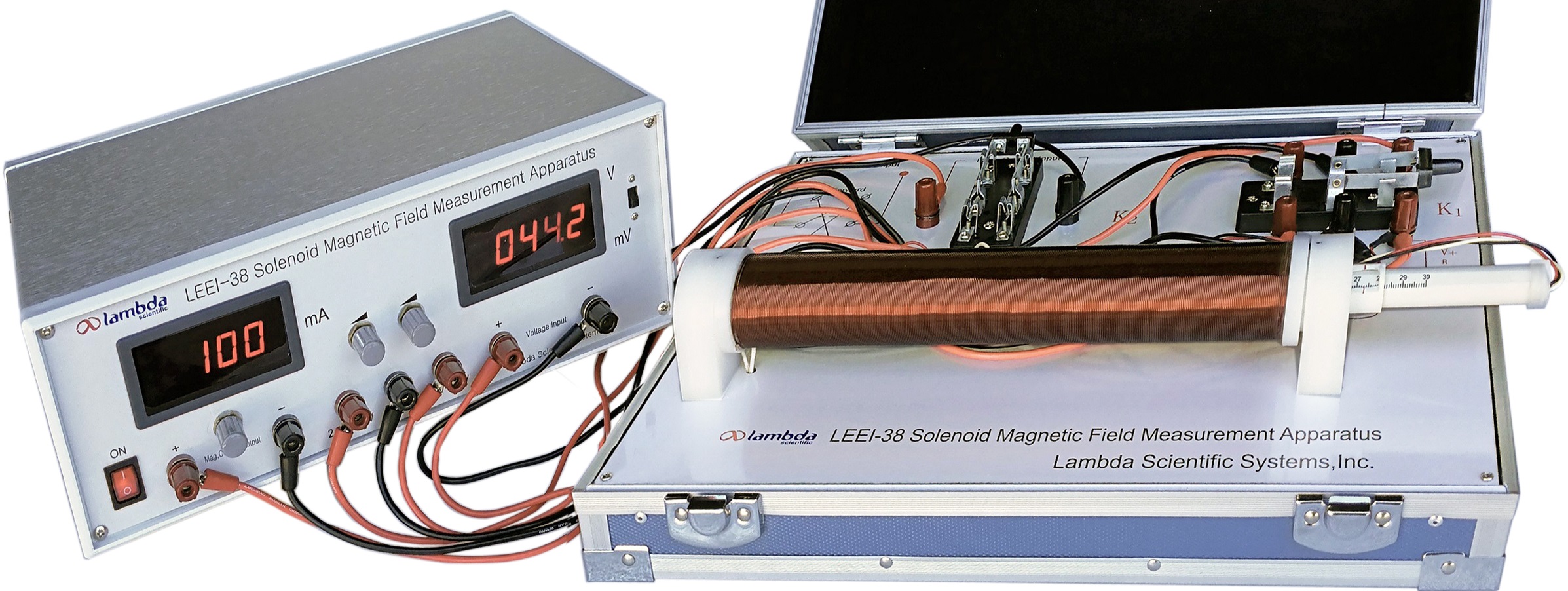 Source: lambdasys.com
When magnet is inserted into the solenoid the galvanometer pointer deflects in one direction. A single strand of wire produces only a very weak magnetic field but a tight coil of wire called a solenoid gives off a stronger field. A solenoid is a long cylinder upon which is wound a uniform coil of wire. The wire is closely wound around the outside of a long cylinder in the form of a helix with a small pitch. Stacking multiple loops also concentrates the field even more.
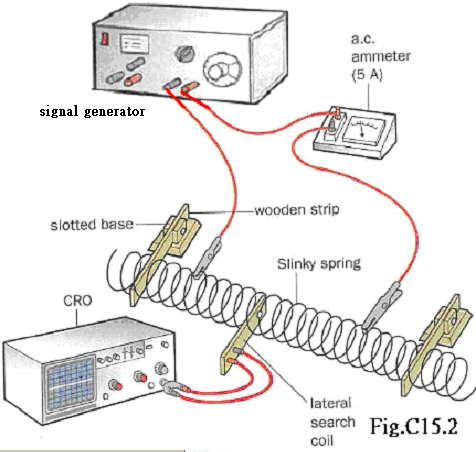 Source: markedbyteachers.com
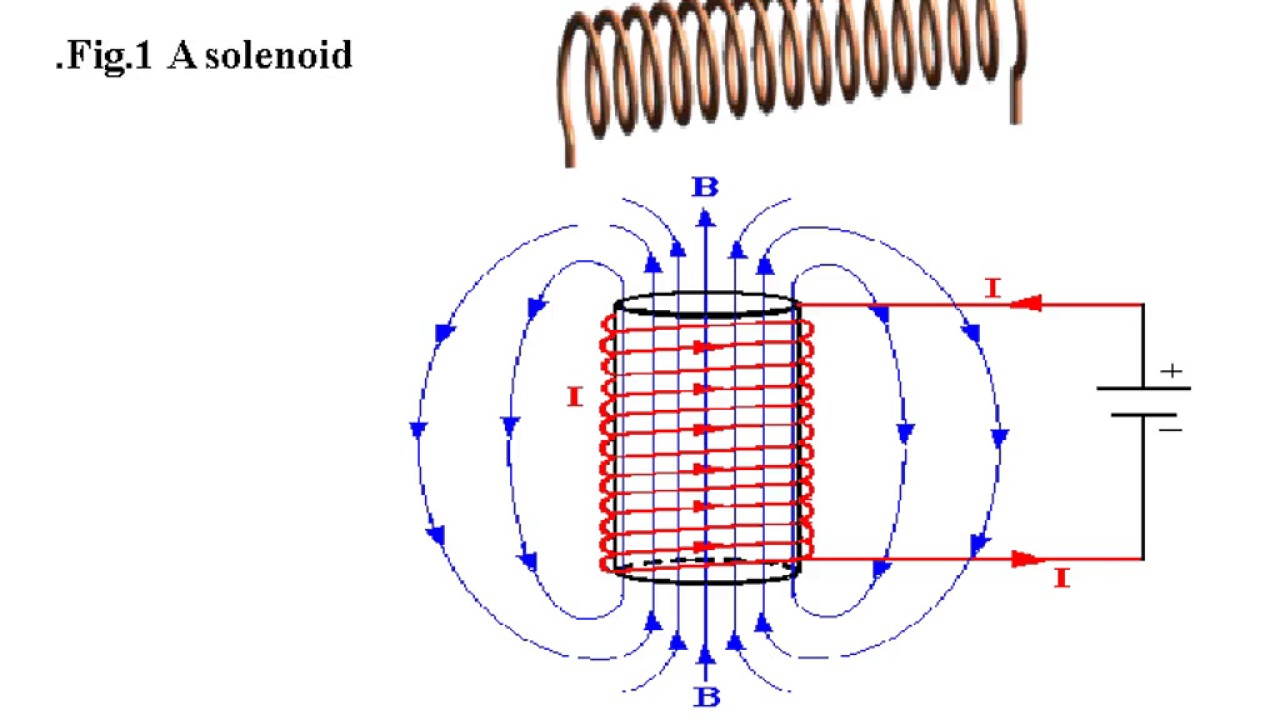
If the coils are very closely spaced the field inside will be parallel to the axis except at the ends. When a current is sent through the wire a magnetic field is created inside the cylinder. When magnet is inserted into the solenoid the galvanometer pointer deflects in one direction. If the coils are very closely spaced the field inside will be parallel to the axis except at the ends. You can use ampere s law to calculate the magnetic field inside a solenoid.
 Source: dev.physicslab.org
A stronger electric current produces a stronger magnetic field and more turns per meter in a solenoid also results in a. Solenoids have many practical implications and they are mainly used to create magnetic fields or as electromagnets. A large number of such loops allow you combine magnetic fields of each loop to create a greater magnetic. Stacking multiple loops also concentrates the field even more. The field is more concentrated in the center of the loop than outside the loop.
 Source: youtube.com
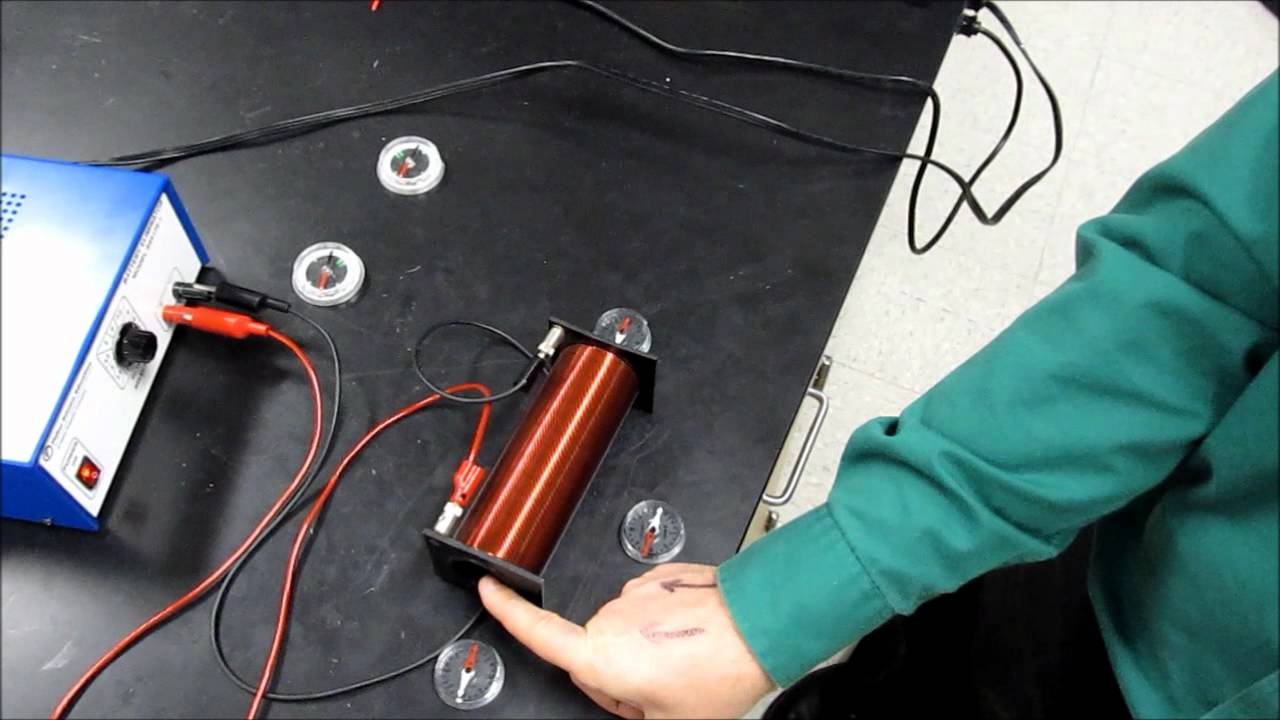
In this experiment you will use an electric current running through a solenoid to suck a needle into a straw. All of these results agree with the current accepted physics principles. Stacking multiple loops also concentrates the field even more. This arrangement is known as a solenoid. Solenoids have many practical implications and they are mainly used to create magnetic fields or as electromagnets.
 Source: edu.glogster.com
This arrangement is known as a solenoid. A solenoid is a long cylinder upon which is wound a uniform coil of wire. In this experiment you will use an electric current running through a solenoid to suck a needle into a straw. 5 feet insulated copper wire. All of these results agree with the current accepted physics principles.
 Source: youtube.com
You can create a stronger magnetic field by taking wire and forming it into a coil. A solenoid is a long cylinder upon which is wound a uniform coil of wire. You can use ampere s law to calculate the magnetic field inside a solenoid. This arrangement is known as a solenoid. A stronger electric current produces a stronger magnetic field and more turns per meter in a solenoid also results in a.
 Source: arborsci.com
Ampere s law is 𝐵 𝑑𝑠 𝜇. The usual solenoid has a length several times its diameter. A solenoid is a combination of closely wound loops of wire in the form of helix and each loop of wire has its own magnetic field magnetic moment or magnetic dipole moment. This arrangement is known as a solenoid. Ampere s law is 𝐵 𝑑𝑠 𝜇.
 Source: skipper.physics.sunysb.edu
Faraday s solenoid experiment when magnet is stationary inside or outside the solenoid no deflection of galvanometer pointer. Your extended right thumb then points in the direction of the magnetic field inside the solenoid. All of these results agree with the current accepted physics principles. The field is more concentrated in the center of the loop than outside the loop. The wire is closely wound around the outside of a long cylinder in the form of a helix with a small pitch.
Source: science.sbcc.edu
Magnetic field of a solenoid magnetic field of a solenoid page 1 purpose the purposes of this experiment are 1. When magnet is inserted into the solenoid the galvanometer pointer deflects in one direction. The wire is closely wound around the outside of a long cylinder in the form of a helix with a small pitch. The usual solenoid has a length several times its diameter. A single strand of wire produces only a very weak magnetic field but a tight coil of wire called a solenoid gives off a stronger field.
 Source: youtube.com
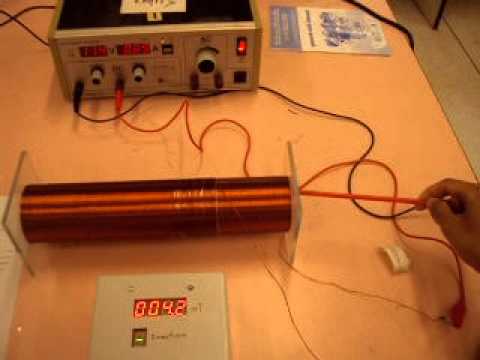
The field is more concentrated in the center of the loop than outside the loop. The field is more concentrated in the center of the loop than outside the loop. You can use ampere s law to calculate the magnetic field inside a solenoid. This arrangement is known as a solenoid. When a current is sent through the wire a magnetic field is created inside the cylinder.
 Source: amazon.in
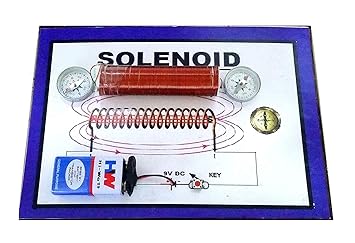
The wire is closely wound around the outside of a long cylinder in the form of a helix with a small pitch. Faraday s solenoid experiment when magnet is stationary inside or outside the solenoid no deflection of galvanometer pointer. When a current is sent through the wire a magnetic field is created inside the cylinder. A solenoid is a long cylinder upon which is wound a uniform coil of wire. Your extended right thumb then points in the direction of the magnetic field inside the solenoid.
If you find this site beneficial, please support us by sharing this posts to your preference social media accounts like Facebook, Instagram and so on or you can also bookmark this blog page with the title solenoid experiment physics by using Ctrl + D for devices a laptop with a Windows operating system or Command + D for laptops with an Apple operating system. If you use a smartphone, you can also use the drawer menu of the browser you are using. Whether it’s a Windows, Mac, iOS or Android operating system, you will still be able to bookmark this website.