The lava lamp experiment
If you’re searching for the lava lamp experiment images information connected with to the the lava lamp experiment interest, you have come to the ideal blog. Our site always provides you with hints for refferencing the maximum quality video and image content, please kindly search and find more informative video articles and graphics that match your interests.
The Lava Lamp Experiment. The lava lamp was first discovered in the year 1948. Materials for lava lamp experiment. Can wax be used in some lava lamps. So grab a few household supplies and give this lava lamp science activity a try.
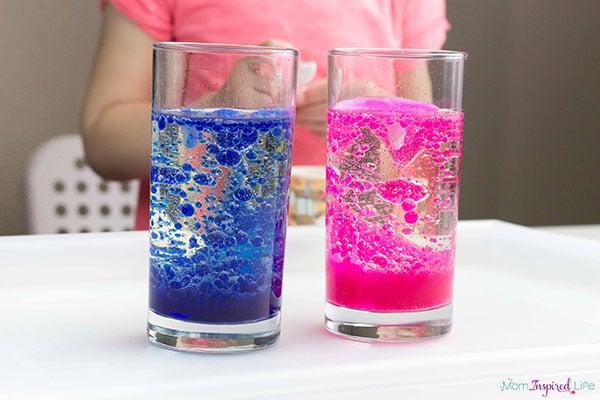 Super Cool Lava Lamp Experiment For Kids From funlearningforkids.com
The lava lamp was first discovered in the year 1948. Lava lamps are often filled with wax water and other chemicals to make them look brighter and colorful. You may want to use a measuring cup with a spout or a funnel. Lava lamp works based on two important scientific principles density and polarity. You may have to wait a couple of minutes for the oil and water to separate. Materials for lava lamp experiment.
Fun facts about the lava lamp experiment.
Fun facts about the lava lamp experiment. Your kids will love exploring colored water and oil but a surprise ingredient will make this science activity even more exciting. Fun facts about the lava lamp experiment. The lava lamp was first discovered in the year 1948. Watch scientist joe as he makes the lava lamp experiment here. Understand the working principle of a lava lamp clearly by performing the lava lamp experiment given here.
 Source: handsonaswegrow.com
Can wax be used in some lava lamps. Watch scientist joe as he makes the lava lamp experiment here. Can wax be used in some lava lamps. Materials for lava lamp experiment. The ideal lava lamp took 15 years to design.
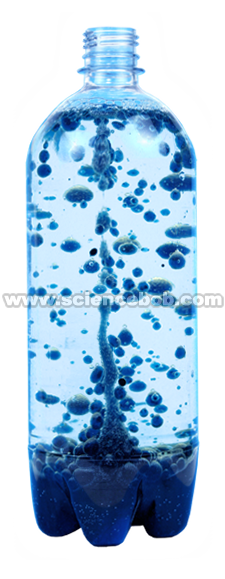 Source: sciencebob.com
Lava lamp works based on two important scientific principles density and polarity. Understand the working principle of a lava lamp clearly by performing the lava lamp experiment given here. Your kids will love exploring colored water and oil but a surprise ingredient will make this science activity even more exciting. The ideal lava lamp took 15 years to design. This can explain why oil and water don t mix.
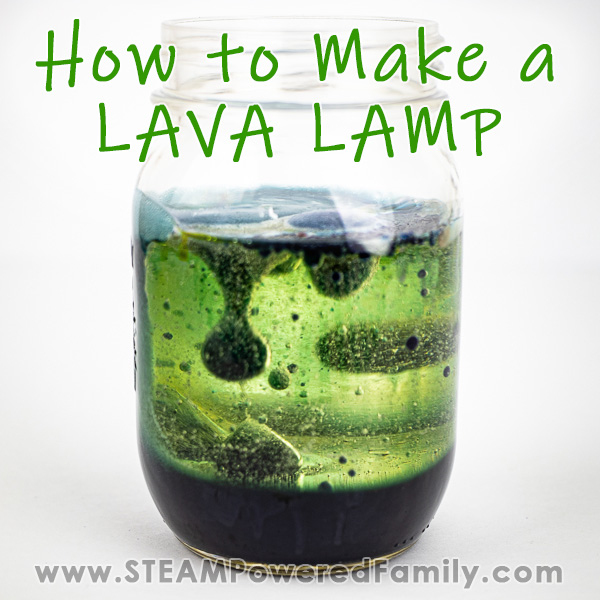 Source: steampoweredfamily.com
You may want to use a measuring cup with a spout or a funnel. So grab a few household supplies and give this lava lamp science activity a try. Lava lamp works based on two important scientific principles density and polarity. Fun facts about the lava lamp experiment. Lava lamps are often filled with wax water and other chemicals to make them look brighter and colorful.
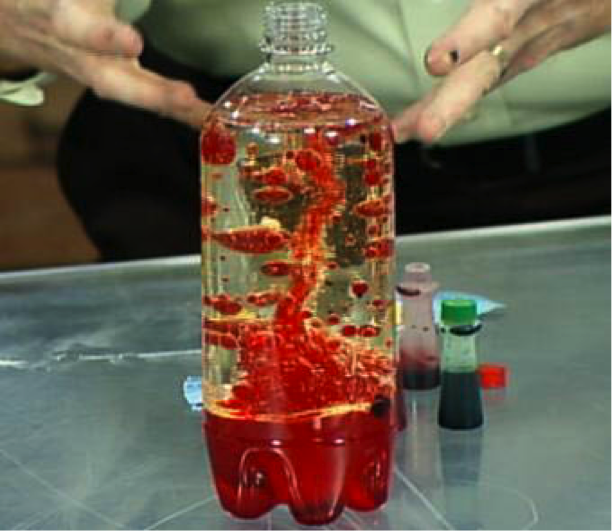 Source: kidspirit.oregonstate.edu
Fun facts about the lava lamp experiment. Can wax be used in some lava lamps. Your kids will love exploring colored water and oil but a surprise ingredient will make this science activity even more exciting. This simple chemistry experiment uses the density differences of water and oil to make what looks like a lava lamp. Materials for lava lamp experiment.
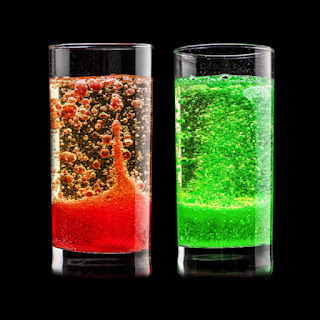 Source: growingajeweledrose.com
This simple chemistry experiment uses the density differences of water and oil to make what looks like a lava lamp. Fun facts about the lava lamp experiment. You may have to wait a couple of minutes for the oil and water to separate. Your kids will love exploring colored water and oil but a surprise ingredient will make this science activity even more exciting. It s always a hit with the kids.
 Source: physicscentral.com
Pour the vegetable oil in the bottle until is almost full. Lava lamp works based on two important scientific principles density and polarity. Fun facts about the lava lamp experiment. The lava lamp was first discovered in the year 1948. Your kids will love exploring colored water and oil but a surprise ingredient will make this science activity even more exciting.
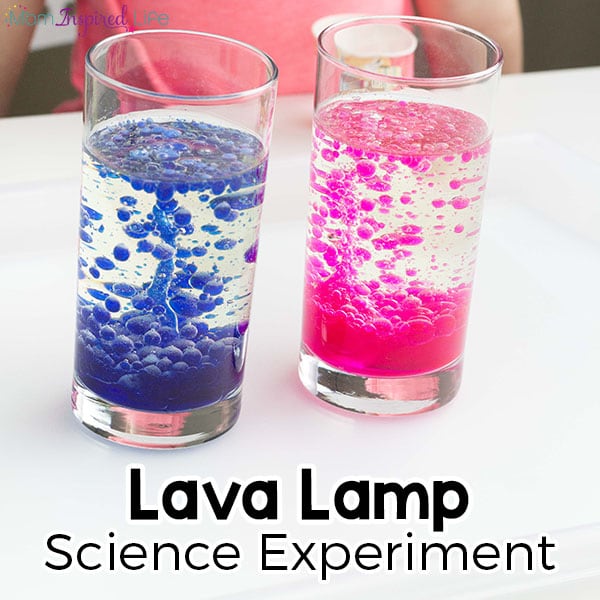 Source: funlearningforkids.com
Watch scientist joe as he makes the lava lamp experiment here. The ideal lava lamp took 15 years to design. So grab a few household supplies and give this lava lamp science activity a try. Fill the bottle up about 1 4th 1 quarter with water. Watch scientist joe as he makes the lava lamp experiment here.
 Source: rookieparenting.com
Watch scientist joe as he makes the lava lamp experiment here. Fun facts about the lava lamp experiment. Materials for lava lamp experiment. This simple chemistry experiment uses the density differences of water and oil to make what looks like a lava lamp. Your kids will love exploring colored water and oil but a surprise ingredient will make this science activity even more exciting.
 Source: education.com
The lava lamp was first discovered in the year 1948. Understand the working principle of a lava lamp clearly by performing the lava lamp experiment given here. You may want to use a measuring cup with a spout or a funnel. Watch scientist joe as he makes the lava lamp experiment here. It s always a hit with the kids.
 Source: funwithmama.com
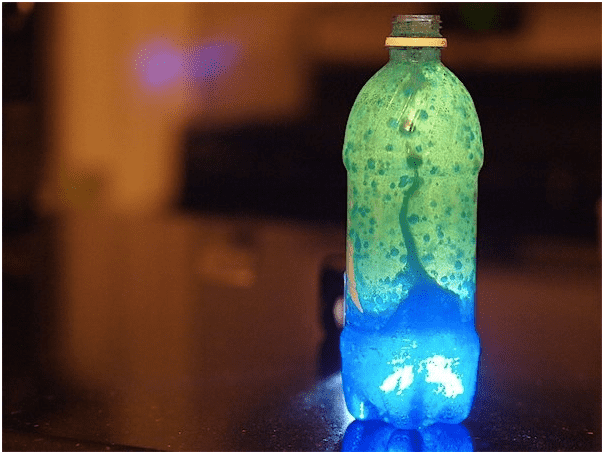
So grab a few household supplies and give this lava lamp science activity a try. Watch scientist joe as he makes the lava lamp experiment here. Pour the vegetable oil in the bottle until is almost full. It s always a hit with the kids. This lava lamp experiment is super cool.
 Source: byjus.com
Can wax be used in some lava lamps. You may have to wait a couple of minutes for the oil and water to separate. Fun facts about the lava lamp experiment. It s always a hit with the kids. The ideal lava lamp took 15 years to design.
Source: funlearningforkids.com
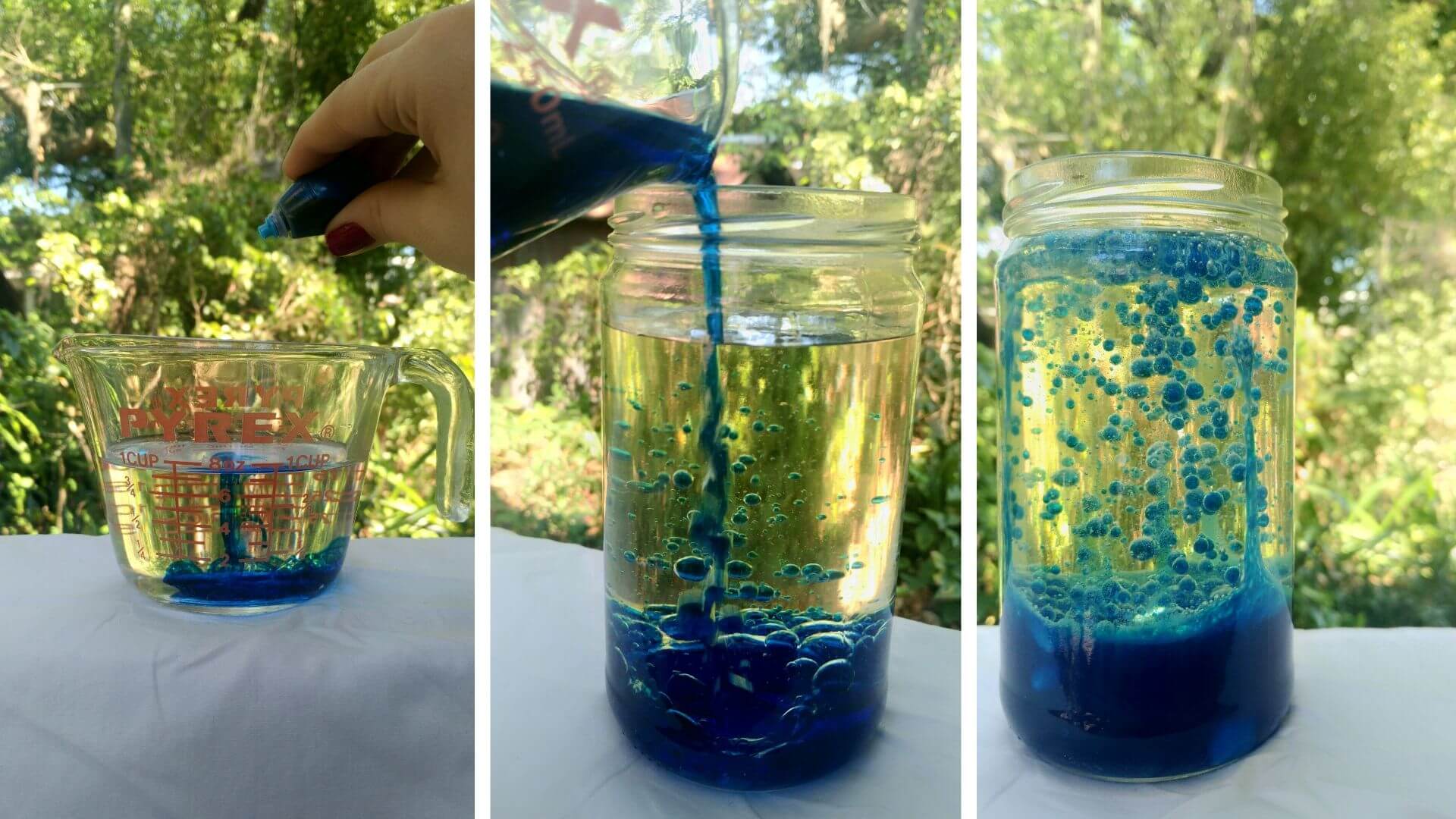
Fill the bottle up about 1 4th 1 quarter with water. Fill the bottle up about 1 4th 1 quarter with water. This simple chemistry experiment uses the density differences of water and oil to make what looks like a lava lamp. Fun facts about the lava lamp experiment. The ideal lava lamp took 15 years to design.
 Source: osc.org
This simple chemistry experiment uses the density differences of water and oil to make what looks like a lava lamp. Lava lamp works based on two important scientific principles density and polarity. Understand the working principle of a lava lamp clearly by performing the lava lamp experiment given here. The lava lamp experiment measures density and polarity. You may want to use a measuring cup with a spout or a funnel.
 Source: littlebinsforlittlehands.com
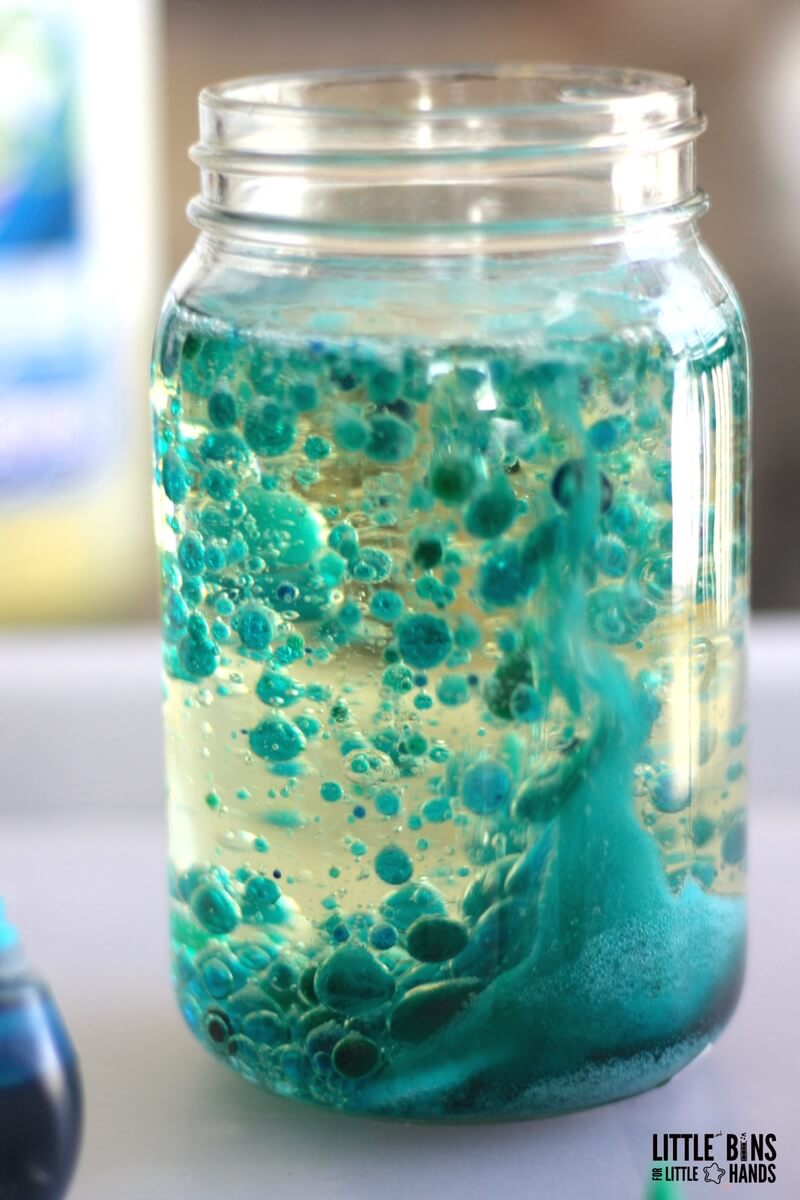
The lava lamp experiment measures density and polarity. Lava lamp works based on two important scientific principles density and polarity. So grab a few household supplies and give this lava lamp science activity a try. Pour the vegetable oil in the bottle until is almost full. You may have to wait a couple of minutes for the oil and water to separate.
 Source: funlearningforkids.com
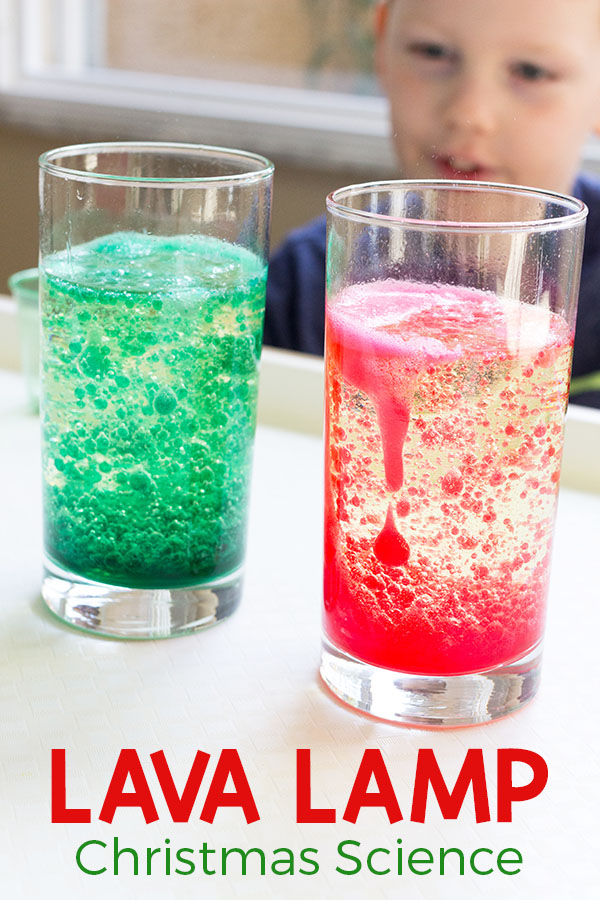
Lava lamp works based on two important scientific principles density and polarity. This lava lamp experiment is super cool. The lava lamp experiment measures density and polarity. Materials for lava lamp experiment. It s always a hit with the kids.
If you find this site helpful, please support us by sharing this posts to your preference social media accounts like Facebook, Instagram and so on or you can also bookmark this blog page with the title the lava lamp experiment by using Ctrl + D for devices a laptop with a Windows operating system or Command + D for laptops with an Apple operating system. If you use a smartphone, you can also use the drawer menu of the browser you are using. Whether it’s a Windows, Mac, iOS or Android operating system, you will still be able to bookmark this website.