Water drops on a penny experiment
If you’re searching for water drops on a penny experiment images information related to the water drops on a penny experiment keyword, you have visit the right blog. Our site frequently provides you with hints for viewing the maximum quality video and image content, please kindly surf and find more enlightening video content and images that match your interests.
Water Drops On A Penny Experiment. Keep adding water one drop at a time and keep count. Attempt to drop water on the penny one drop at a time and count the amount of drops. Using the dropper carefully put a drop of water in the center of the coin. The independent variable is the substance water on the penny and the dependent is how many drops the penny takes.
 Penny Experiment With Water Drops Easy Science Easy Science Experiments Experiments From pinterest.com
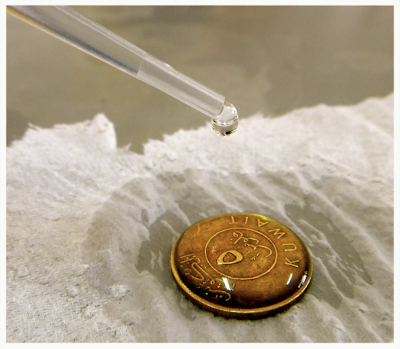
Place the penny on a plate with a flat surface. Add water to both of your bowls and to one of them add green food coloring. Fill a plastic pipette with water. Now carefully add one drop of water at a time to the top of the penny. Keep adding water one drop at a time and keep count. Hold the medicine dropper just above the top of the penny not touching it so each new drop has to fall a short distance.
Keep adding water one drop at a time and keep count.
Guess how many drops you can place on a penny before the water spills. Keep adding water one drop at a time and keep count. Place the penny on a plate with a flat surface. Place the penny on top of the paper towel. Using the dropper carefully put a drop of water in the center of the coin. The kids followed these instructions to find out how many drops of water can fit on a penny and other coins.
 Source: pinterest.com
Keep adding water one drop at a time and keep count. Use an eyedropper or pipette to pick up and carefully drip one drop of water at a time onto the penny. The independent variable is the substance water on the penny and the dependent is how many drops the penny takes. Guess how many drops you can place on a penny before the water spills. Cut a piece of paper towel into a 2 inch square.
 Source: sciencebuddies.org
Make a prediction about how many drops of water you can put on the penny before it overflows. Fill the eyedropper or syringe with water. At the beginning kids will make a predic. The kids followed these instructions to find out how many drops of water can fit on a penny and other coins. This is an optional step if you want to see the drops a bit better.
 Source: youtube.com
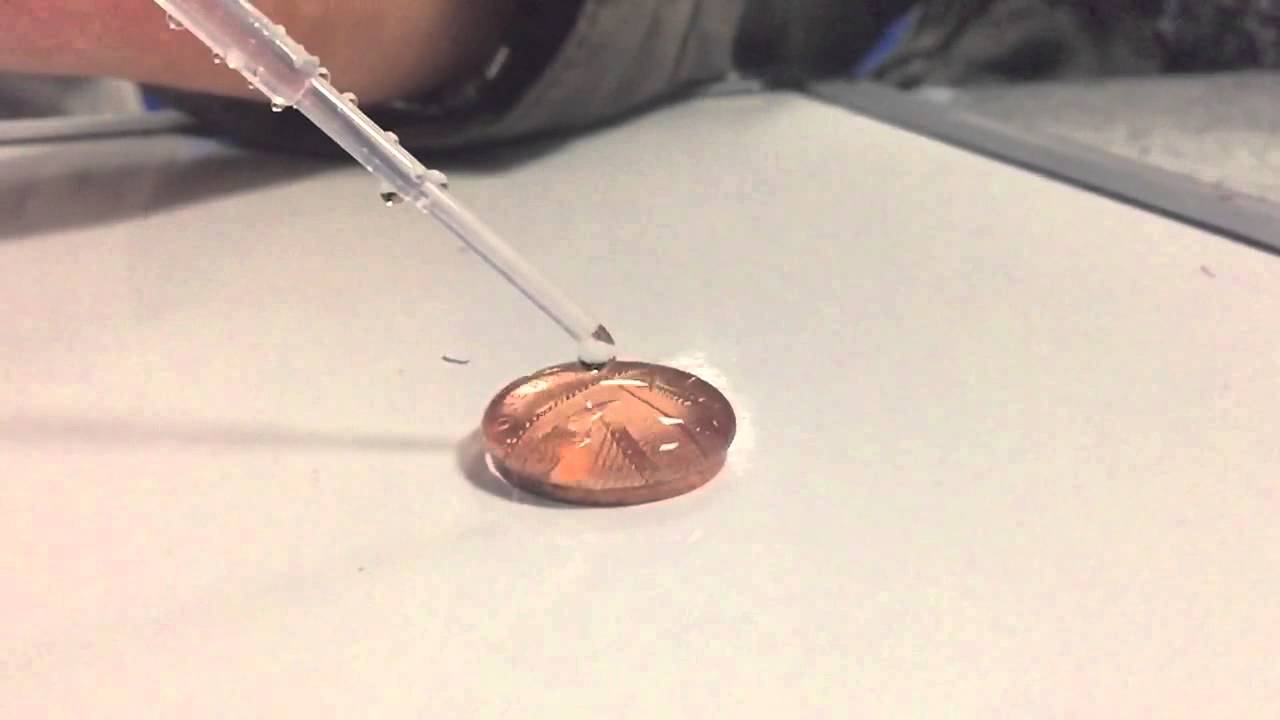
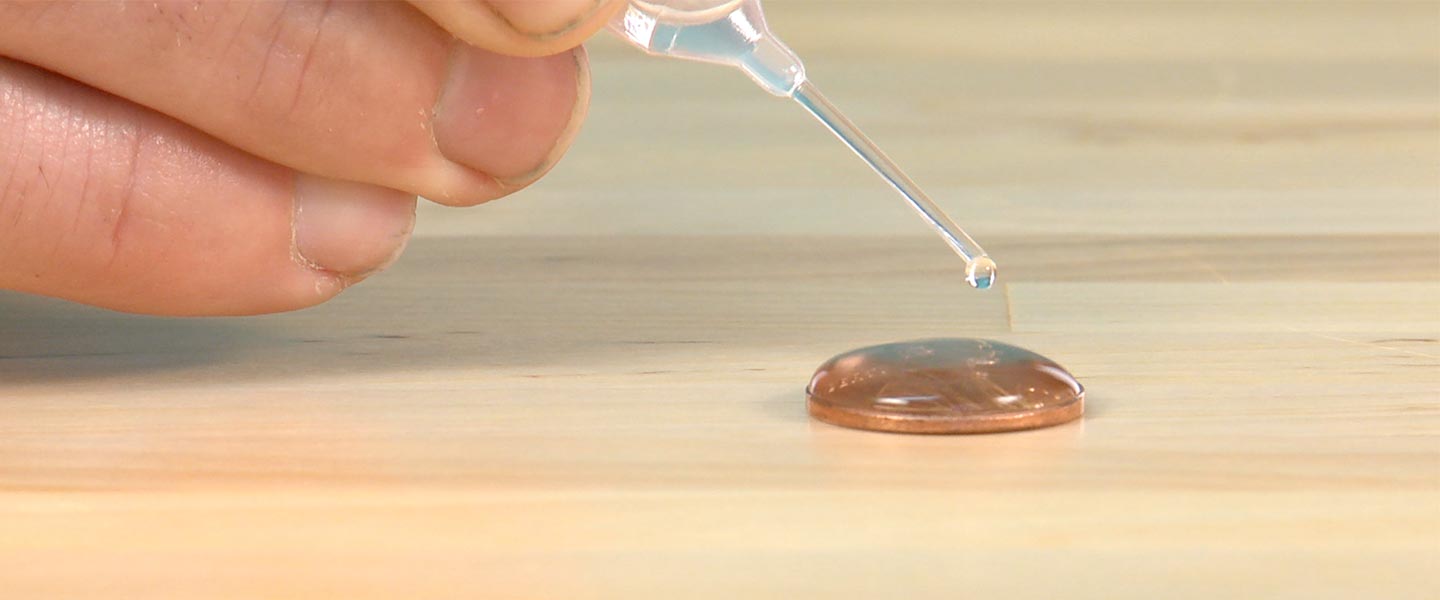
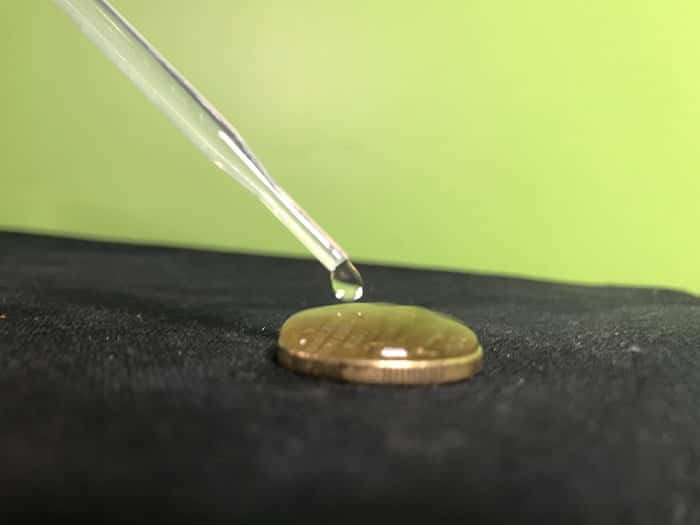
The cohesion and surface tension of water becomes apparent when the drops of water you add to the penny reach the penny s edge. The cohesion and surface tension of water becomes apparent when the drops of water you add to the penny reach the penny s edge. Rinse a penny and dry it completely. Hold the medicine dropper just above the top of the penny not touching it so each new drop has to fall a short distance. Attempt to drop water on the penny one drop at a time and count the amount of drops.
 Source: stevespanglerscience.com
The cohesion and surface tension of water becomes apparent when the drops of water you add to the penny reach the penny s edge. Carefully squeeze out water drop by drop from the pipette onto the coin. Drops on a penny. Rinse a penny and dry it completely. Attempt to drop water on the penny one drop at a time and count the amount of drops.
 Source: sciencekiddo.com
In this experiment the control group would be the penny. Rinse a penny and dry it completely. In this activity kids will predict how many drops of water will fit on the head of a penny before overflowing. Drops on a penny. At the beginning kids will make a predic.
 Source: sites.google.com
Fill a plastic pipette with water. Carefully squeeze out water drop by drop from the pipette onto the coin. Place the penny on top of the paper towel. Fill the eyedropper or syringe with water. In this activity kids will predict how many drops of water will fit on the head of a penny before overflowing.
 Source: fizzicseducation.com.au
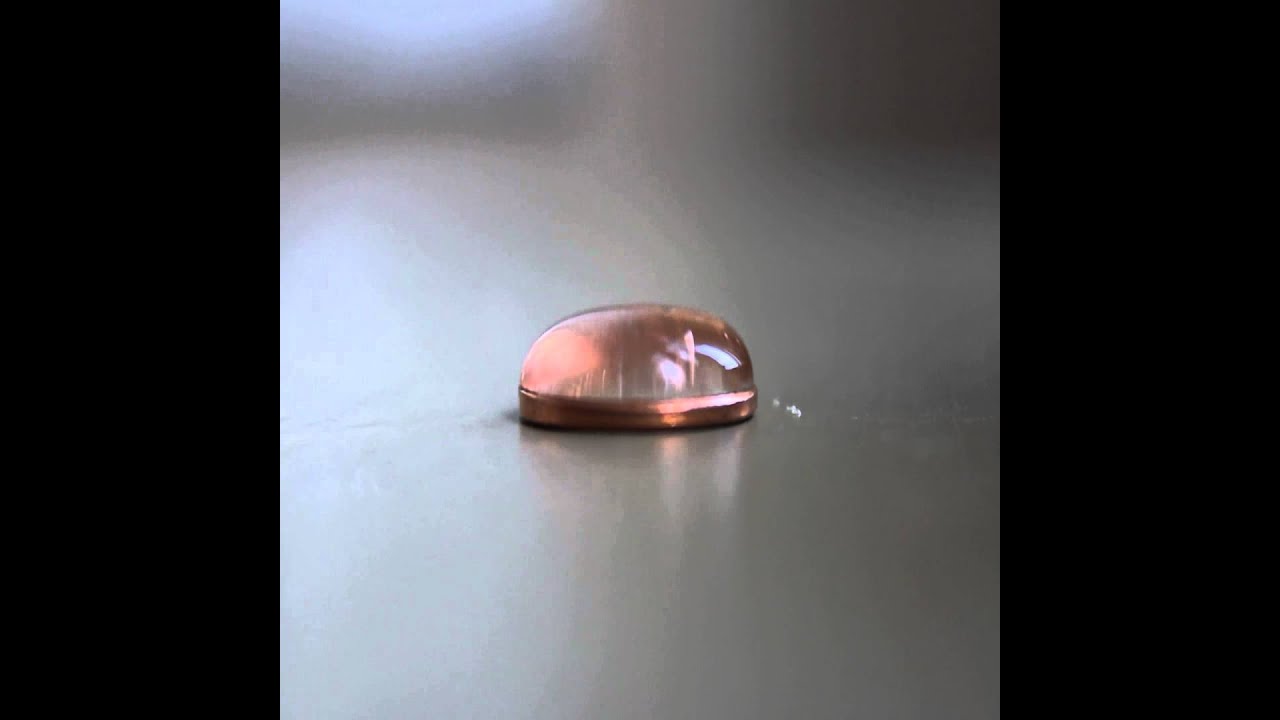
The bubble shape is a result of the water molecules clinging to one another in an optimal shape just like the bonds on the surface of a blown bubble. Now carefully add one drop of water at a time to the top of the penny. Use an eyedropper or pipette to pick up and carefully drip one drop of water at a time onto the penny. The bubble shape is a result of the water molecules clinging to one another in an optimal shape just like the bonds on the surface of a blown bubble. At the beginning kids will make a predic.
Source: pinterest.com
Add water to both of your bowls and to one of them add green food coloring. The cohesion and surface tension of water becomes apparent when the drops of water you add to the penny reach the penny s edge. In this experiment the control group would be the penny. You will see a dome shape start forming by the puddle of water. Penny experiment set up.
 Source: littlebinsforlittlehands.com
The cohesion and surface tension of water becomes apparent when the drops of water you add to the penny reach the penny s edge. Set the coin on a flat surface. Place the penny on a plate with a flat surface. This is an optional step if you want to see the drops a bit better. Write down your prediction on a piece of paper.
 Source: littlebinsforlittlehands.com
This is an optional step if you want to see the drops a bit better. Rinse a penny and dry it completely. Attempt to drop water on the penny one drop at a time and count the amount of drops. In this experiment the control group would be the penny. Once the water has reached the edge you begin to see a bubble or dome of water forming on top of the penny.
 Source: m.youtube.com
The cohesion and surface tension of water becomes apparent when the drops of water you add to the penny reach the penny s edge. You will see a dome shape start forming by the puddle of water. Once the water has reached the edge you begin to see a bubble or dome of water forming on top of the penny. Carefully squeeze out water drop by drop from the pipette onto the coin. Write down your prediction on a piece of paper.
 Source: rookieparenting.com
Fill the eyedropper or syringe with water. Attempt to drop water on the penny one drop at a time and count the amount of drops. Keep adding water one drop at a time and keep count. Make a prediction about how many drops of water you can put on the penny before it overflows. Fill a plastic pipette with water.
 Source: prezi.com
Attempt to drop water on the penny one drop at a time and count the amount of drops. Guess how many drops you can place on a penny before the water spills. Attempt to drop water on the penny one drop at a time and count the amount of drops. Cut a piece of paper towel into a 2 inch square. Once the water has reached the edge you begin to see a bubble or dome of water forming on top of the penny.
 Source: rookieparenting.com
Once the water has reached the edge you begin to see a bubble or dome of water forming on top of the penny. Keep adding water one drop at a time and keep count. Place the penny on a plate with a flat surface. Set the coin on a flat surface. In this experiment the control group would be the penny.
 Source: deceptivelyeducational.blogspot.com
The kids followed these instructions to find out how many drops of water can fit on a penny and other coins. Fill a plastic pipette with water. Write down your prediction on a piece of paper. Write your guess on a paper. Fill the eyedropper or syringe with water.
If you find this site serviceableness, please support us by sharing this posts to your favorite social media accounts like Facebook, Instagram and so on or you can also save this blog page with the title water drops on a penny experiment by using Ctrl + D for devices a laptop with a Windows operating system or Command + D for laptops with an Apple operating system. If you use a smartphone, you can also use the drawer menu of the browser you are using. Whether it’s a Windows, Mac, iOS or Android operating system, you will still be able to bookmark this website.