Water purification experiment
If you’re looking for water purification experiment images information connected with to the water purification experiment topic, you have visit the ideal blog. Our site always provides you with hints for refferencing the maximum quality video and picture content, please kindly search and locate more informative video articles and graphics that fit your interests.
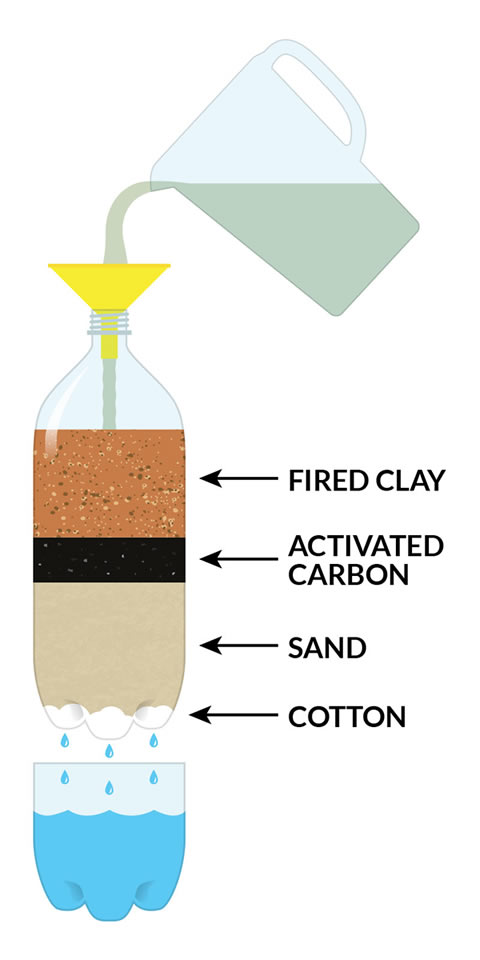
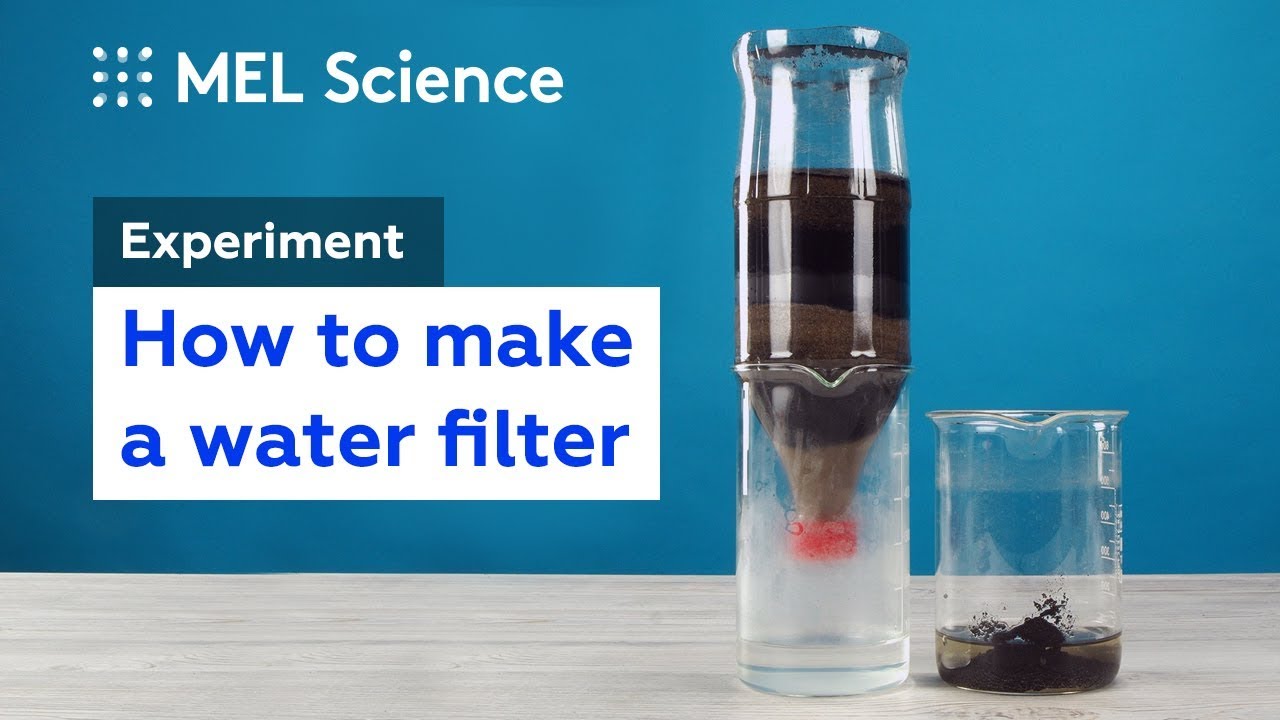
Water Purification Experiment. The following points highlight the top three methods adopted for purification of water. This filter made mostly from inexpensive household items will teach kids about the processes water purification plants use. Pour the remaining one third bottle of swamp water back into the collection container. Advise students that the final step at the treatment plant is to add disinfectants to the water to purify it and kill any organisms that may be harmful.
 See How Water Gets Cleaned By Building A Simple Filtration System From Recycled Plastic The Real Proc Water Filtration Experiment Water Purification Diy Water From pinterest.ca
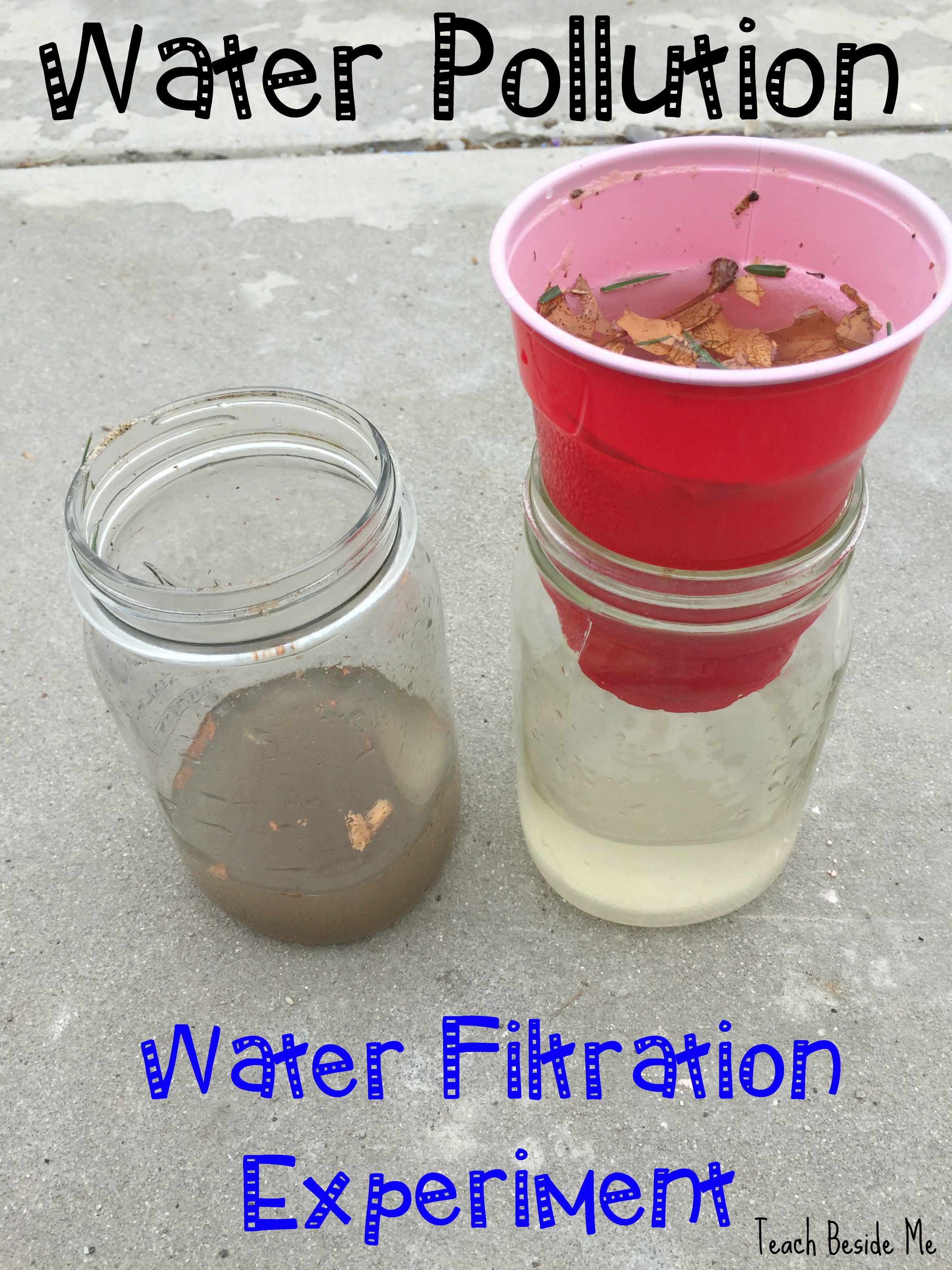
Because the disinfectants are caustic and must be handled carefully it is not presented. Continue heating until the majority of the water has evaporated then leave on the side until the remaining water has evaporated. Now add 1 4 cup of the colored water to each of the babyfood jars. The following points highlight the top three methods adopted for purification of water. We carefully poured the same amount of water through each filter and observed the results. How to do the water filtration experiment.
Advise students that the final step at the treatment plant is to add disinfectants to the water to purify it and kill any organisms that may be harmful.
So many people get sick from their own drinking water. Distillation is a method in which water in the nature is purified. Begin by getting a jar full of dirty water. Our project took us through the first four. Aeration coagulation sedimentation filtration and disinfection. A water filter science experiment makes a fun and educational rainy day activity for kids.
 Source: study.com
We went to a little pond nearby to collect some water. The great thing about this experiment is that you can design it however you like. There are five steps to basic water purification. We went to a little pond nearby to collect some water. Sedimentation is done when water consists of large sized organic materials such as leaves and gravels which have run off from the soil.
 Source: science.lovetoknow.com
To one jar add 2 teaspoons of the activated carbon. Use a measuring cyclinder to pour 10 ml of water sample 1 into the evaporating basin. You will need a few supplies. There are five steps to basic water purification. So many people get sick from their own drinking water.
 Source: pinterest.com
Pour the remaining one third bottle of swamp water back into the collection container. Add 8 drops of red food coloring to the water and stir until mixed. Our project took us through the first four. Compare the treated and untreated water. Fill a measuring cup with 1 2 cup of water.
 Source: www3.epa.gov
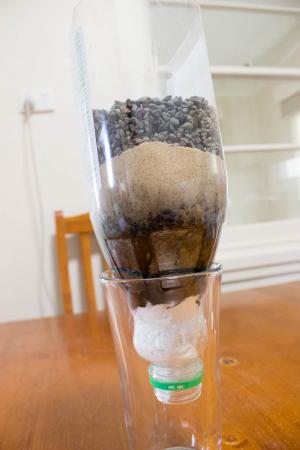
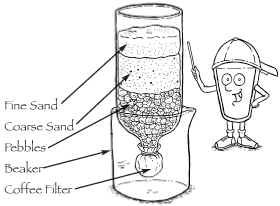
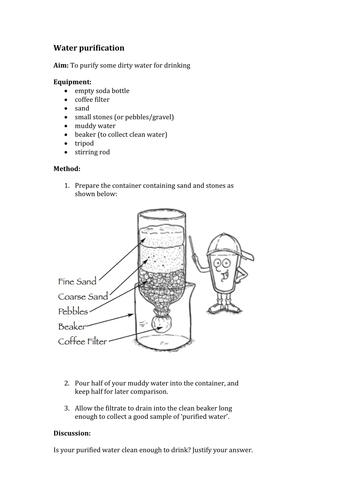
2 glass jars sand gravel 3 4 coffee filters dirty water a plastic cup with a hole cut in the bottom. Putting the filter together is a simple process easily done on a tabletop in an hour or less. Put the lids on both jars and set the jars in a place where they won t be disturbed for the couple days. We carefully poured the same amount of water through each filter and observed the results. 2 glass jars sand gravel 3 4 coffee filters dirty water a plastic cup with a hole cut in the bottom.
 Source: aliexpress.com
There are five steps to basic water purification. Advise students that the final step at the treatment plant is to add disinfectants to the water to purify it and kill any organisms that may be harmful. We set up coffee filters containing sand stones and then just plain filters. Put the lids on both jars and set the jars in a place where they won t be disturbed for the couple days. Begin by getting a jar full of dirty water.
 Source: teachbesideme.com
Begin by getting a jar full of dirty water. Aeration adds air to the water. Compare the treated and untreated water. Collect the filtered water in the beaker. Our project took us through the first four.
 Source: liveworksheets.com
Collect the filtered water in the beaker. Use a measuring cyclinder to pour 10 ml of water sample 1 into the evaporating basin. Fill a measuring cup with 1 2 cup of water. Sedimentation is done when water consists of large sized organic materials such as leaves and gravels which have run off from the soil. We went to a little pond nearby to collect some water.
 Source: education.com
The great thing about this experiment is that you can design it however you like. Aeration coagulation sedimentation filtration and disinfection. Use a measuring cyclinder to pour 10 ml of water sample 1 into the evaporating basin. Ask students whether treatment has changed the appearance and smell of the water. Because the disinfectants are caustic and must be handled carefully it is not presented.
Source: pinterest.ca
Continue heating until the majority of the water has evaporated then leave on the side until the remaining water has evaporated. Put the lids on both jars and set the jars in a place where they won t be disturbed for the couple days. Fill a measuring cup with 1 2 cup of water. Aeration adds air to the water. Begin by getting a jar full of dirty water.
 Source: pinterest.co.uk
Use a measuring cyclinder to pour 10 ml of water sample 1 into the evaporating basin. Ask students whether treatment has changed the appearance and smell of the water. Use a measuring cyclinder to pour 10 ml of water sample 1 into the evaporating basin. Collect the filtered water in the beaker. Advise students that the final step at the treatment plant is to add disinfectants to the water to purify it and kill any organisms that may be harmful.
 Source: science-u.org
Sedimentation is done when water consists of large sized organic materials such as leaves and gravels which have run off from the soil. Because the disinfectants are caustic and must be handled carefully it is not presented. We carefully poured the same amount of water through each filter and observed the results. Collect the filtered water in the beaker. Pour the remaining one third bottle of swamp water back into the collection container.
 Source: aliexpress.com
Aeration coagulation sedimentation filtration and disinfection. Because the disinfectants are caustic and must be handled carefully it is not presented. Begin by getting a jar full of dirty water. Ask students whether treatment has changed the appearance and smell of the water. A water filter science experiment makes a fun and educational rainy day activity for kids.
 Source: tes.com
We went to a little pond nearby to collect some water. Putting the filter together is a simple process easily done on a tabletop in an hour or less. There are five steps to basic water purification. You will need a few supplies. Because the disinfectants are caustic and must be handled carefully it is not presented.
 Source: teachbesideme.com
Fill a measuring cup with 1 2 cup of water. This filter made mostly from inexpensive household items will teach kids about the processes water purification plants use. You will need a few supplies. How to do the water filtration experiment. Put the lids on both jars and set the jars in a place where they won t be disturbed for the couple days.
 Source: m.youtube.com
It allows gases trapped in the water to escape and adds oxygen to the water. We carefully poured the same amount of water through each filter and observed the results. A water filter science experiment makes a fun and educational rainy day activity for kids. So many people get sick from their own drinking water. Aeration coagulation sedimentation filtration and disinfection.
If you find this site beneficial, please support us by sharing this posts to your favorite social media accounts like Facebook, Instagram and so on or you can also save this blog page with the title water purification experiment by using Ctrl + D for devices a laptop with a Windows operating system or Command + D for laptops with an Apple operating system. If you use a smartphone, you can also use the drawer menu of the browser you are using. Whether it’s a Windows, Mac, iOS or Android operating system, you will still be able to bookmark this website.